Hamas said Tuesday it will examine U.S. President Donald Trump’s new peace proposal for Gaza internally and with other Palestinian factions before issuing a formal response.
Israeli Prime Minister Benjamin Netanyahu has already endorsed the plan following talks with Trump at the White House, but it remains uncertain whether Hamas will accept.
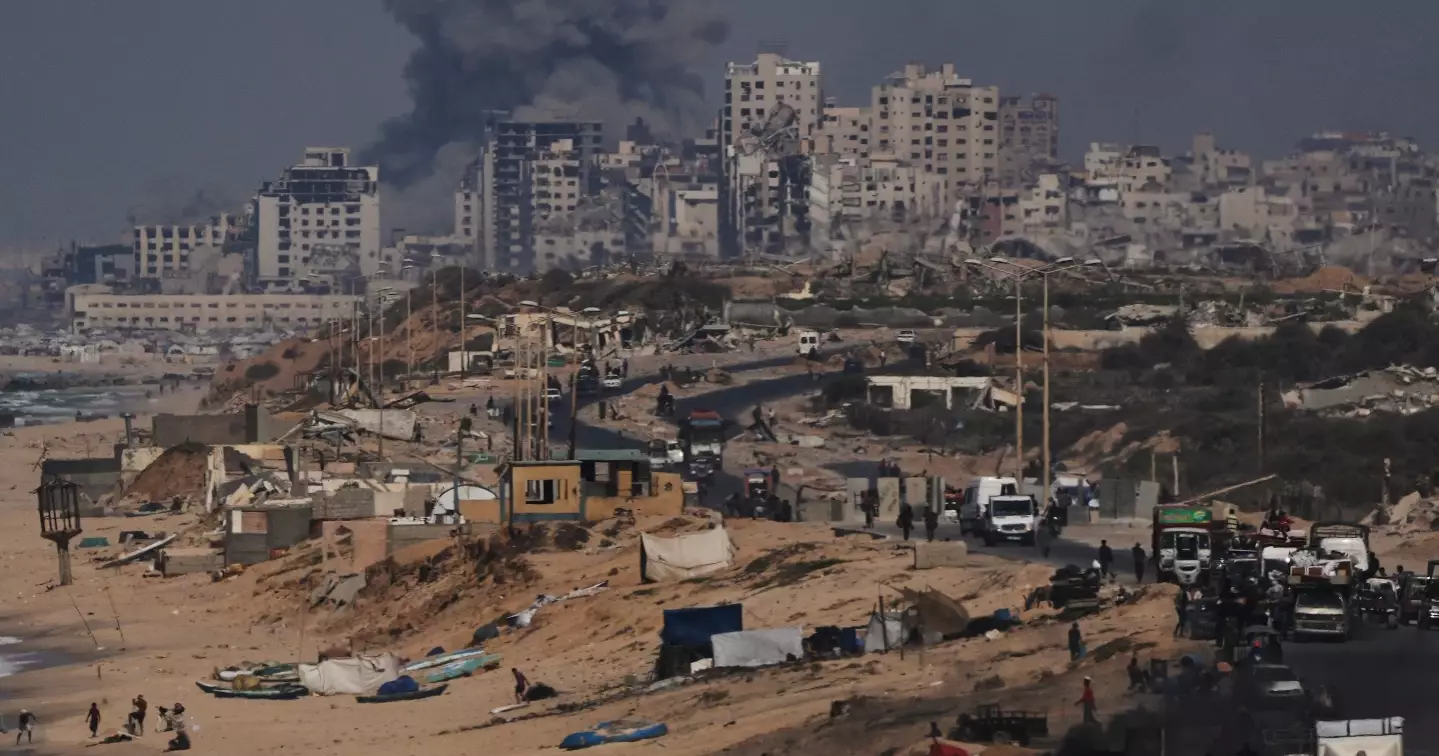
The 20-point proposal would require Hamas to disarm in exchange for an immediate ceasefire, large-scale humanitarian aid, and the promise of reconstruction in Gaza, which has been devastated by months of war that Gaza’s Health Ministry says has killed more than 66,000 Palestinians.
Under the plan, Gaza and its population of over two million would be placed under international administration. An international security force would oversee the territory, and a “Board of Peace” co-chaired by Trump and former British Prime Minister Tony Blair would supervise reconstruction. Hamas would be excluded from governance, though members pledging nonviolence could receive amnesty.
Hostage exchanges and troop withdrawal
The proposal demands that Hamas release all 48 hostages it still holds within 72 hours, while Israel would free 250 prisoners serving life sentences and 1,700 other detainees from Gaza, including all women and children. Bodies of Palestinians would also be exchanged for the remains of Israeli hostages.
Key points of Gaza peace plan endorsed by Trump and Netanyahu
Israeli forces would begin withdrawing only after Hamas disarms, with international troops filling the vacuum. However, Israel would retain a “security perimeter presence” around Gaza — a vague phrase likely to draw resistance from Hamas.
International responses
The United Nations, though not directly involved in drafting the plan, said it was prepared to step up aid deliveries through its agencies, the Red Crescent and other neutral organizations. “We stand ready and capable to increase aid inside Gaza whenever conditions allow,” said Jens Laerke of the U.N. humanitarian office.
China reiterated its call for a two-state solution and urged all sides to agree to a ceasefire and humanitarian relief. Germany’s Chancellor Friedrich Merz described Trump’s initiative as the “best chance for ending the war,” while France’s President Emmanuel Macron insisted Hamas “has no choice” but to release hostages and accept the plan. Spain’s Prime Minister Pedro Sánchez and Australia’s Prime Minister Anthony Albanese also backed the plan, both stressing Palestinian statehood as the only viable long-term solution.
Indian Prime Minister Narendra Modi called the proposal a “viable pathway” to sustainable peace and development for both Palestinians and Israelis.
A joint statement from the foreign ministers of Egypt, Jordan, Pakistan, Saudi Arabia, Qatar, Turkey, Indonesia, and the UAE praised Trump’s “determined effort” and voiced readiness to work with Washington to rebuild Gaza and prevent displacement.
Divisions within Israel
While Netanyahu supports the plan, some of his far-right coalition partners oppose any role for the Palestinian Authority in Gaza or steps toward Palestinian statehood. Finance Minister Bezalel Smotrich warned against concessions that could open the door to such outcomes.
Palestinian Authority signals support
From Ramallah, the Palestinian Authority welcomed Trump’s efforts and pledged reforms, including holding new elections and ending controversial payments to families of militants. It said these steps could clear the way toward a “modern, democratic and non-militarized Palestinian state.”
Women in Gaza allege sexual exploitation amid aid crisis
Next steps
Hamas negotiators, who received the plan via mediators Egypt and Qatar, confirmed they will review it “in good faith” but gave no timeline for a response. The group has previously rejected disarmament, saying it reserves the right to resist until Israeli occupation ends.
Meanwhile, Turkey said its navy is prepared to assist humanitarian missions, including a flotilla of 52 small vessels carrying aid and activists attempting to break Israel’s blockade of Gaza.
Whether Hamas ultimately accepts or rejects the deal will determine if Trump’s plan marks a turning point in the decades-long conflict or becomes another unrealized proposal in the troubled history of Middle East peace efforts.
Source: AP