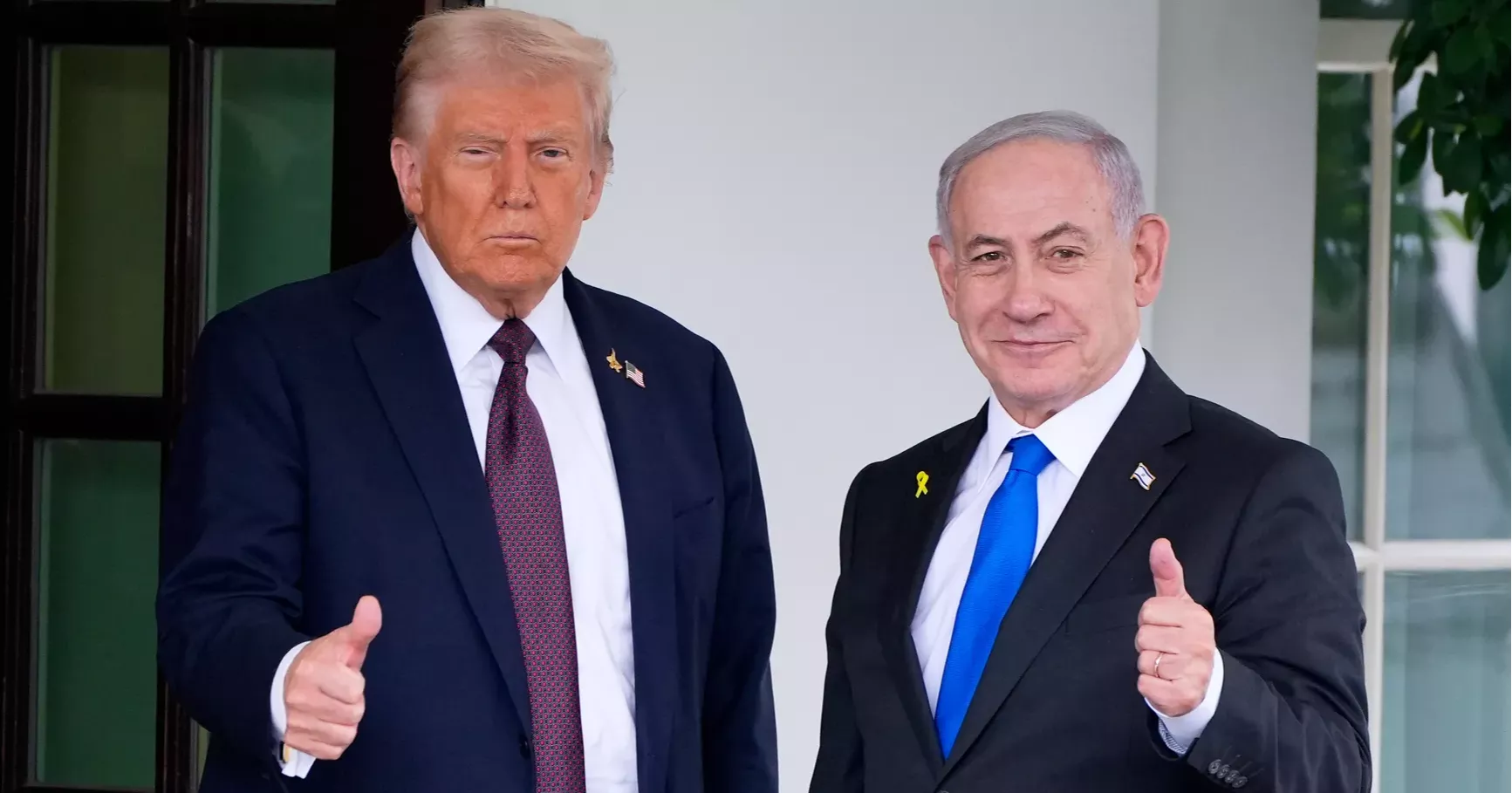
Israeli Prime Minister Benjamin Netanyahu has backed the U.S. peace plan for Gaza, leaving the focus on whether Hamas will accept it.
The proposal presents a difficult choice for Hamas. It requires the group to disarm in exchange for humanitarian aid, reconstruction support, and an end to hostilities. However, Palestinian statehood is only vaguely mentioned, and Gaza’s more than 2 million residents would remain under international supervision for the foreseeable future. An international security force would oversee law enforcement, while a “Board of Peace” led by former U.K. Prime Minister Tony Blair and U.S. President Trump would manage reconstruction and governance. Israeli troops would continue to surround the territory.
The plan’s key points include an immediate ceasefire, with Hamas expected to release all 48 remaining hostages within 72 hours. In return, Israel would free 250 Palestinians serving life sentences and 1,700 others detained since the conflict began, including women and children. Israel would also return bodies of Palestinians in proportion to released hostages.
Troop withdrawal would occur only after Hamas disarms and the international security force is deployed, though Israel would maintain a “security perimeter,” leaving room for potential continued presence inside Gaza. Hamas has indicated it may not release all hostages without a clear guarantee that Israel will fully withdraw.
Netanyahu to meet Trump as calls grow to end Gaza war
Under the plan, Hamas would have no role in Gaza’s administration. Its military infrastructure, including tunnels, would be dismantled. Members who renounce violence would receive amnesty, and those wishing to leave Gaza would be allowed to do so. Humanitarian aid would flow through neutral international bodies, such as the U.N. and Red Crescent, while the interim administration of Palestinian technocrats would manage day-to-day affairs under the supervision of the Board of Peace.
The plan gives only a limited reference to Palestinian statehood. It proposes that, if the Palestinian Authority (PA) reforms sufficiently and reconstruction progresses, a “credible pathway to Palestinian self-determination and statehood” might eventually emerge.
Regional response has been mixed. Qatar and Egypt presented the 20-point plan to Hamas negotiators, who said they would review it. Hamas has rejected disarmament, maintaining its right to resist Israeli occupation. Arab countries including Egypt, Jordan, Indonesia, Pakistan, Turkey, Qatar, Saudi Arabia, and the UAE have expressed support for the outline.
Netanyahu may face internal opposition from his ultra-nationalist allies. Finance Minister Bezalel Smotrich emphasized on social media that any deal must exclude PA involvement in Gaza and reject Palestinian statehood. While the plan allows PA involvement only after internal reforms, Netanyahu has expressed skepticism that it will ever happen.
Trump’s moves to consolidate power, target foes draw comparisons to countries
The peace plan marks a significant diplomatic effort to end hostilities in Gaza, though its success depends on Hamas’s response and the cooperation of regional and international actors.
Source: AP