
Israel’s public support for its ongoing war against Iran remains strong, but analysts warn that a prolonged conflict could strain the country’s military and economy.
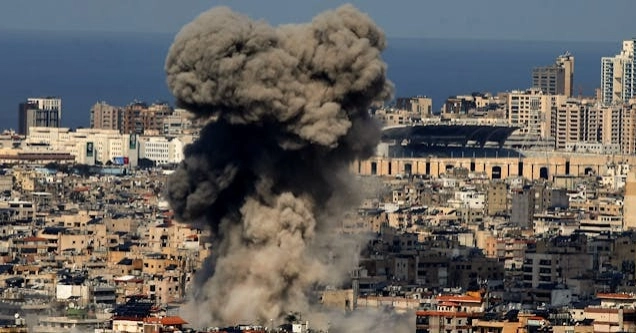
Since launching strikes on Iran on Saturday, Israel has faced repeated missile and drone attacks, prompting widespread air raid alerts, school closures, and the mobilisation of tens of thousands of reservists. Cities including Haifa and Tel Aviv have been under sustained attacks, stretching emergency services, reports Al Jazeera.
Despite these pressures, many Israelis remain supportive of the war. Interviews show strong public backing, with the majority rallying behind the government, driven by a perception of Iran as a long-standing existential threat.
Political economist Shir Hever noted that the current public mood contrasts with the June 2025 12-day war, which was marked more by fear than aggressive militarism. Analysts say ongoing hostilities could further radicalise society, entrenching far-right influence and prompting more young talent to emigrate.
From a military perspective, Israel’s ability to sustain high-intensity conflict depends heavily on external support. Defence analyst Hamze Attar said Iran launched more than 200 ballistic missiles in the first three days of fighting, forcing Israel to expend interceptors from the Iron Dome, David’s Sling, and Arrow systems. Limited stocks mean prolonged conflict could require rationing, focusing defence on key military and political targets and increasing risks to civilians.
Iran is reportedly producing around 100 missiles per month, but uncertainty remains over their types, numbers, and launchers. “If you don’t have the launchers, it doesn’t matter how many missiles you have,” Attar said.
Economically, two years of near-continuous conflict have drained Israel’s finances. Spending on Gaza and Lebanon in 2024 reached $31 billion, rising to $55 billion in 2025, contributing to a debt crisis and a sovereign credit downgrade. Hever warned of additional pressures on energy, transport, and health services.
However, experts argue that technology and US weapons support are likely to allow Israel to continue military operations despite economic strains. Hever said advanced weaponry, which can operate at long distances without putting soldiers at risk, diminishes the economic limits on the country’s military campaigns.