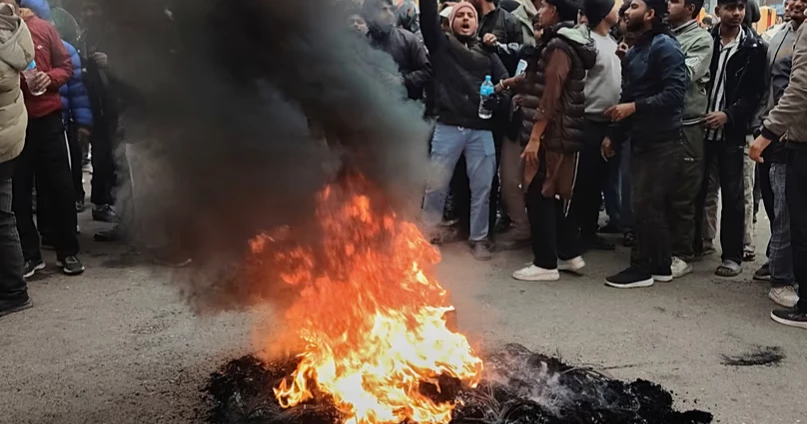
Authorities in southern Nepal imposed a strict curfew in the border city of Birgunj after tensions flared between Hindu and Muslim communities following the vandalism of a mosque over the weekend, officials said Tuesday.
The Parsa District Administration ordered residents to stay off the streets, banning all public movement, demonstrations and gatherings. Security forces were authorized to take strong action against anyone violating the curfew, including the use of firearms if necessary, according to the official notice.
Police and army units armed with automatic weapons were deployed across Birgunj, a major commercial hub located about 130 kilometers (80 miles) south of Kathmandu. The city serves as Nepal’s most important land border crossing with India and is a critical gateway for fuel, food and other essential imports entering the country.
Nepal’s Gen Z Protesters disillusioned with government they helped install
The unrest began Sunday when Muslim groups organized protests after a mosque in a nearby town was vandalized. Later the same day, Hindu groups held their own demonstrations, raising fears that the situation could escalate. Protest activity has continued intermittently since then, prompting authorities to impose the curfew to prevent violence.
Officials said there have been no serious injuries or large-scale clashes between the two communities so far. Some minor scuffles were reported between protesters and riot police as officers worked to keep the groups apart and restore calm.
Interreligious violence is uncommon in Nepal, a predominantly Hindu country where Muslims make up a small minority of the population. Most Muslim communities are concentrated in southern districts near the Indian border, including areas such as Birgunj, where close cultural and economic ties exist across the frontier.
Local officials said the curfew would remain in place until tensions ease and warned residents to comply with security directives as authorities continue monitoring the situation closely.