The United States and China have agreed to a 90-day pause in their escalating trade war, during which they will roll back significant portions of the tariffs imposed on each other and engage in further negotiations to resolve ongoing trade disagreements.
Global stock markets reacted positively to the news, with sharp gains signaling relief as tensions between the world's two largest economies eased.
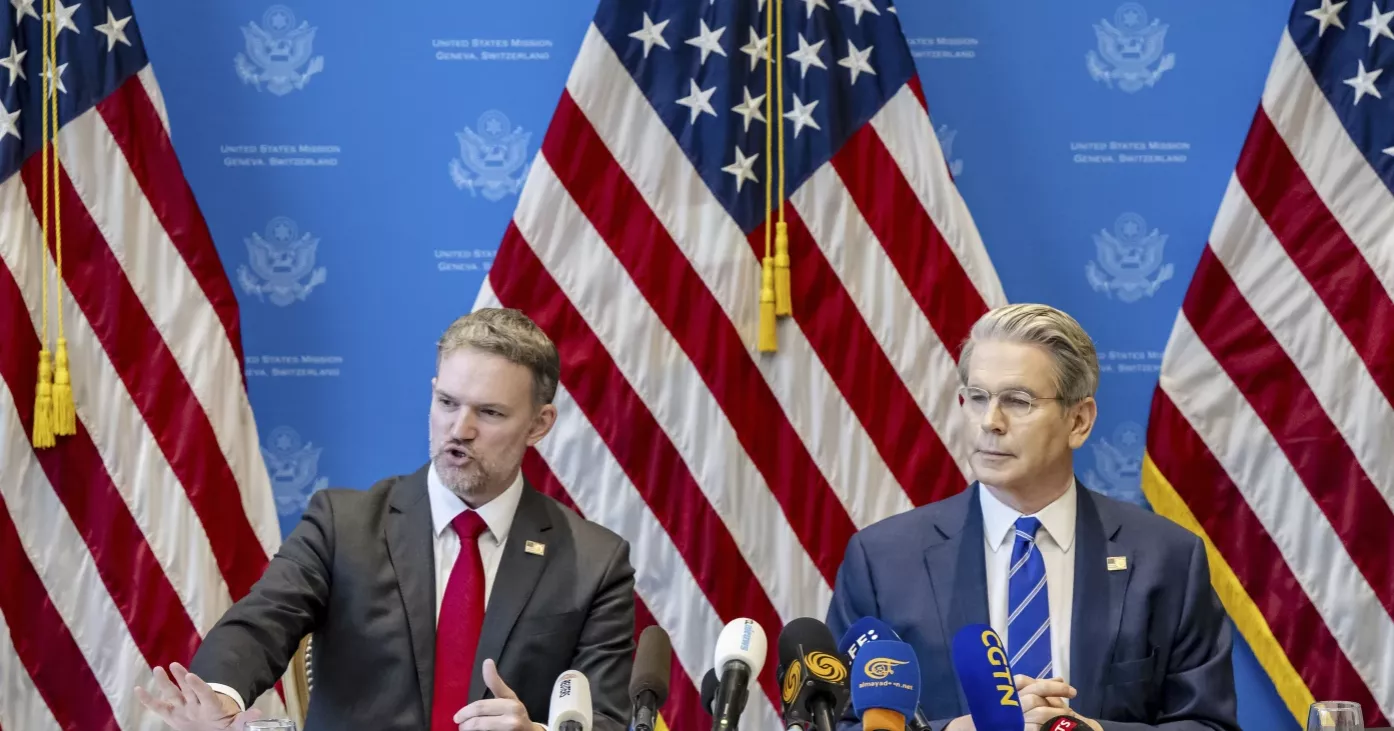
U.S. Trade Representative Jamieson Greer announced that the U.S. will cut its tariffs on Chinese goods from 145% to 30%, while China will reduce its tariffs on American goods from 125% to 10%. Greer and Treasury Secretary Scott Bessent confirmed the reductions at a press briefing in Geneva.
US, China agree to slash tariffs for 90 days
Bessent emphasized that maintaining high tariffs would effectively block bilateral trade, a scenario both nations aim to avoid. “Neither side wants a decoupling,” he said. “What we saw was the equivalent of an embargo. But both countries want balanced trade and are committed to working toward it.”
China’s Commerce Ministry praised the agreement as a key step toward resolving bilateral issues and enhancing cooperation. It expressed hope that the U.S. would end its "unilateral tariff hikes" and work with China to bring greater stability to the global economy.
Despite the breakthrough, uncertainty remains about how both countries will address deeper trade conflicts during the 90-day truce.
Nevertheless, markets responded with optimism. U.S. stock futures climbed more than 2%, oil prices rose by over $1.60 a barrel, and the dollar strengthened against the euro and yen. Hong Kong’s Hang Seng index surged nearly 3%, and European markets also saw modest gains.
US touts ‘substantial progress’ in tariff talks with China, but details are still scarce
Jens Eskelund, head of the EU Chamber of Commerce in China, welcomed the truce but urged both nations to maintain dialogue and avoid actions that could disrupt global trade. “Businesses need stability to plan and invest,” he said.
Last month, the Trump administration had raised total tariffs on Chinese imports to 145%, prompting Beijing to respond with tariffs of up to 125% on U.S. goods — measures that effectively halted trade between the two nations, which totaled over $660 billion last year.
The trade battle between the U.S. and China has been the most intense of several global tariff disputes launched during Trump's presidency. Some tariffs, including a 20% levy, were also tied to efforts to curb fentanyl imports from China.