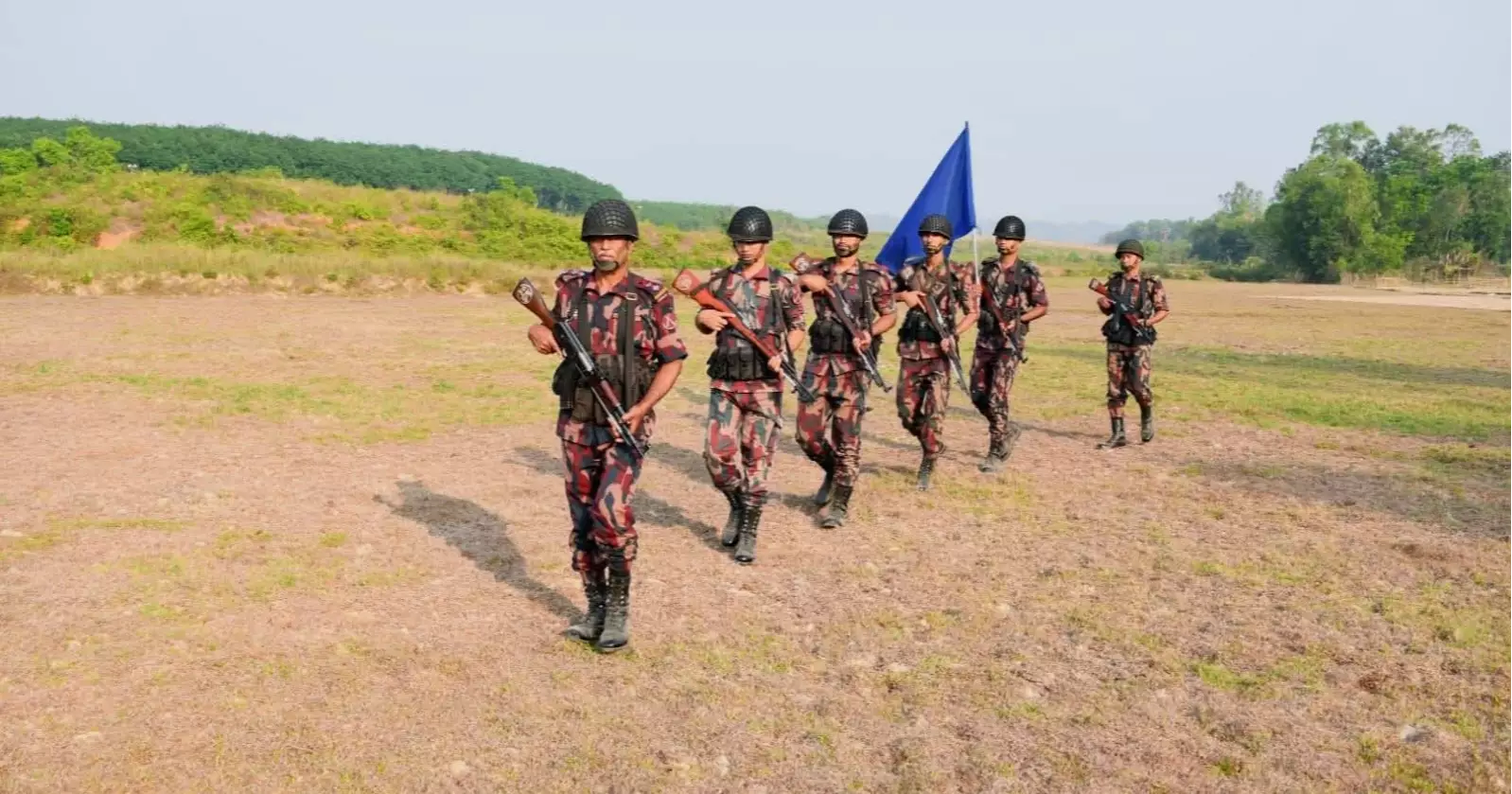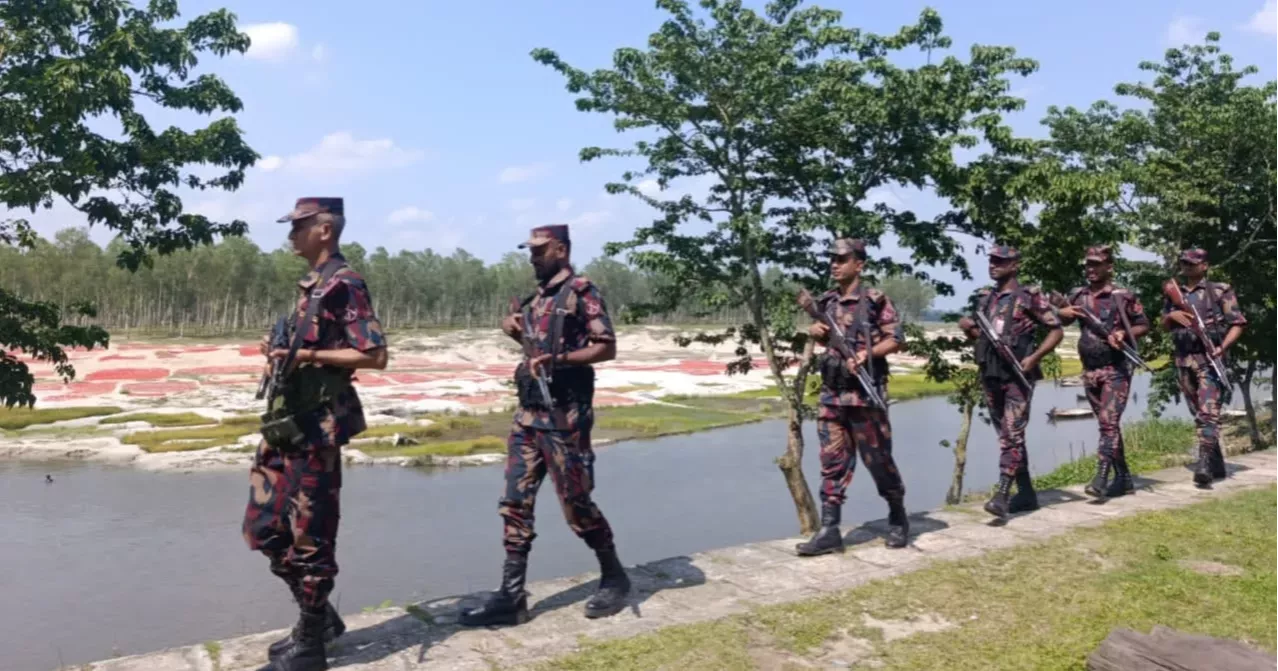
Despite repeated assurances from Indian Border Security Force (BSF) to minimise the use of lethal force and bring border killings down to zero, fatalities along the Bangladesh-India frontier continue to spark concern.
Even as Dhaka and New Delhi step up engagement to reset bilateral ties, incidents along the border suggest a persistent gap between commitments and realities on the ground.
BSF officials have on multiple occasions pledged restraint during Director General-level meetings and other border conferences with Border Guard Bangladesh (BGB).
Joint Records of Discussion (JRDs) from these meetings regularly emphasise the use of non-lethal measures including rubber bullets.
BGB on high alert along Kurigram border over fears of illegal infiltration, push-ins
However, rights groups say most victims are still killed by gunfire, pointing to the continued use of lethal weapons.
Allegations of excessive force including shootings, physical abuse and aggressive pursuit remain frequent, particularly in cases linked to suspected cattle smuggling, unauthorised crossings and informal cross-border trade.
Deaths remain steady despite commitments
Data from rights organisation Ain o Salish Kendra (ASK) shows that at least 91 Bangladeshis were killed and 87 others injured in alleged BSF firing between January 1, 2023 and May 9, 2026.
Year-wise data indicates a steady pattern: 26 killed and 32 injured in 2023; 30 killed and 29 injured in 2024; and 31 killed and 18 injured in 2025. So far this year, four people have been killed and eight injured.
The figures suggest that the use of lethal force has not significantly declined despite repeated pledges.
Over the past decade, border killings have remained a recurring concern, with Bangladesh recording one of the highest numbers of such deaths globally.
Fresh incidents heighten alarm
The latest incident occurred early on May 9 along the Pathariadar border in Kasba upazila of Brahmanbaria, where two Bangladeshis — Morsalin, an HSC second-year student, and Nabi Hossain, 40 — were shot dead by BSF personnel.
Family members said the bodies were taken to a hospital in Agartala.
Witnesses claimed BSF opened fire on a group of 20 to 25 people near the border, killing Morsalin on the spot.
Locals also alleged that several others were injured and later taken to Cumilla for treatment. Family members confirmed Nabi’s death.
Earlier incidents reflect a similar pattern.
On July 2, 2025, Ibrahim Khalil Babu, 29, was killed in firing at the Sultanpur border in Chuadanga. On December 5 the same year, the body of Sabuj Islam, 29, who was shot dead along the Patgram border in Lalmonirhat, was handed over to BGB following a flag meeting.
Violence amid renewed engagement
Analysts note that incidents of border violence often coincide with periods of diplomatic engagement, raising questions about the effectiveness of existing mechanisms.
Since the formation of a government led by Prime Minister Tarique Rahman, contacts between Dhaka and New Delhi have increased, signalling a possible shift toward more constructive cooperation.
The renewed engagement, following strained ties during the interim administration, reflects a shared intent to recalibrate relations, with a focus on dialogue, economic cooperation and regional connectivity.
Yet continued reports of shootings along the border are fuelling public concern.
Calls for accountability
Experts say assurances alone are not enough and stress the need for stronger monitoring and accountability.
They recommend enhanced real-time communication between BGB and BSF, more joint patrols and strict adherence to international human rights standards.
Transparent investigations into each incident and punitive action in proven cases are also essential, they say.