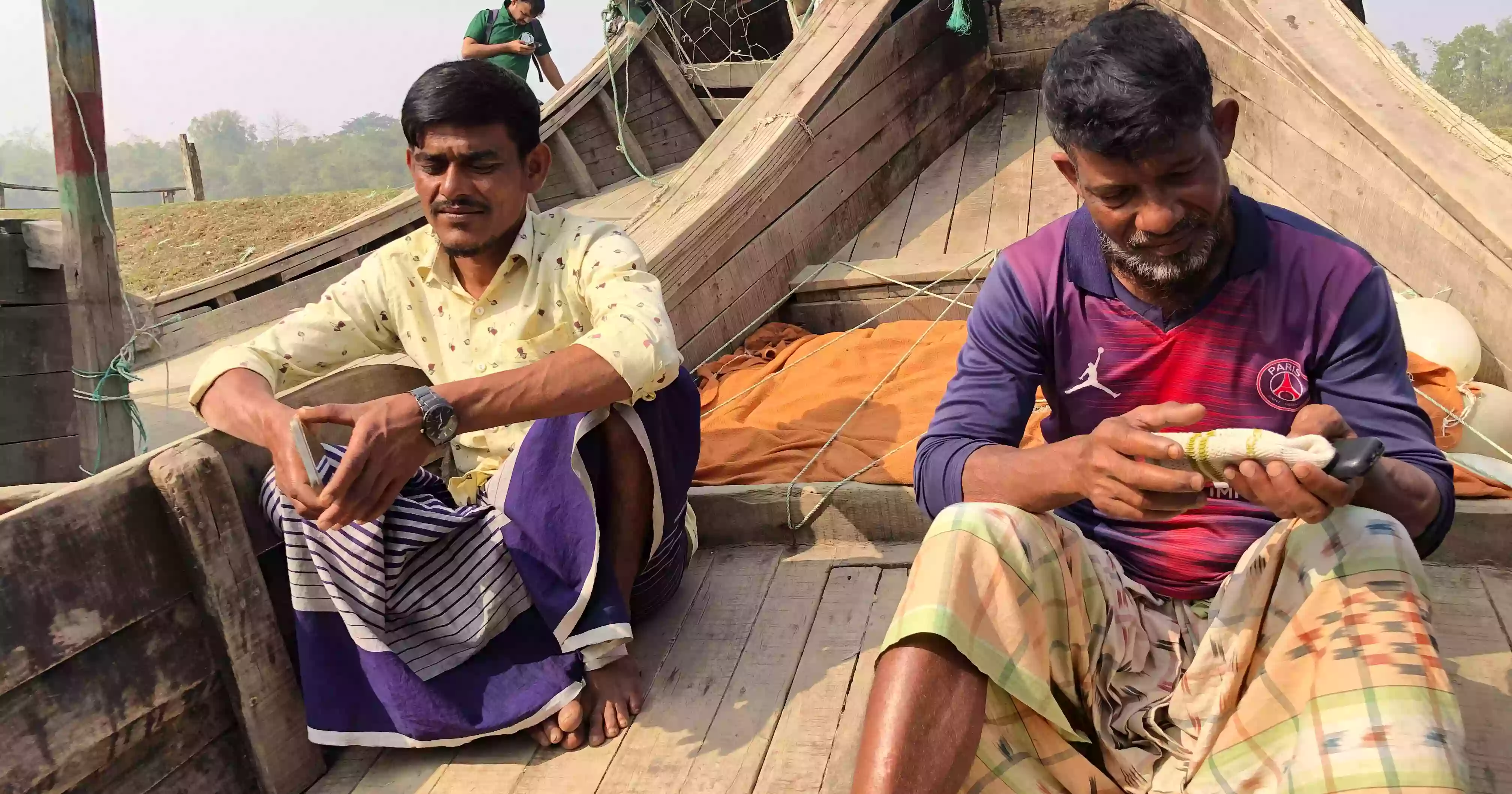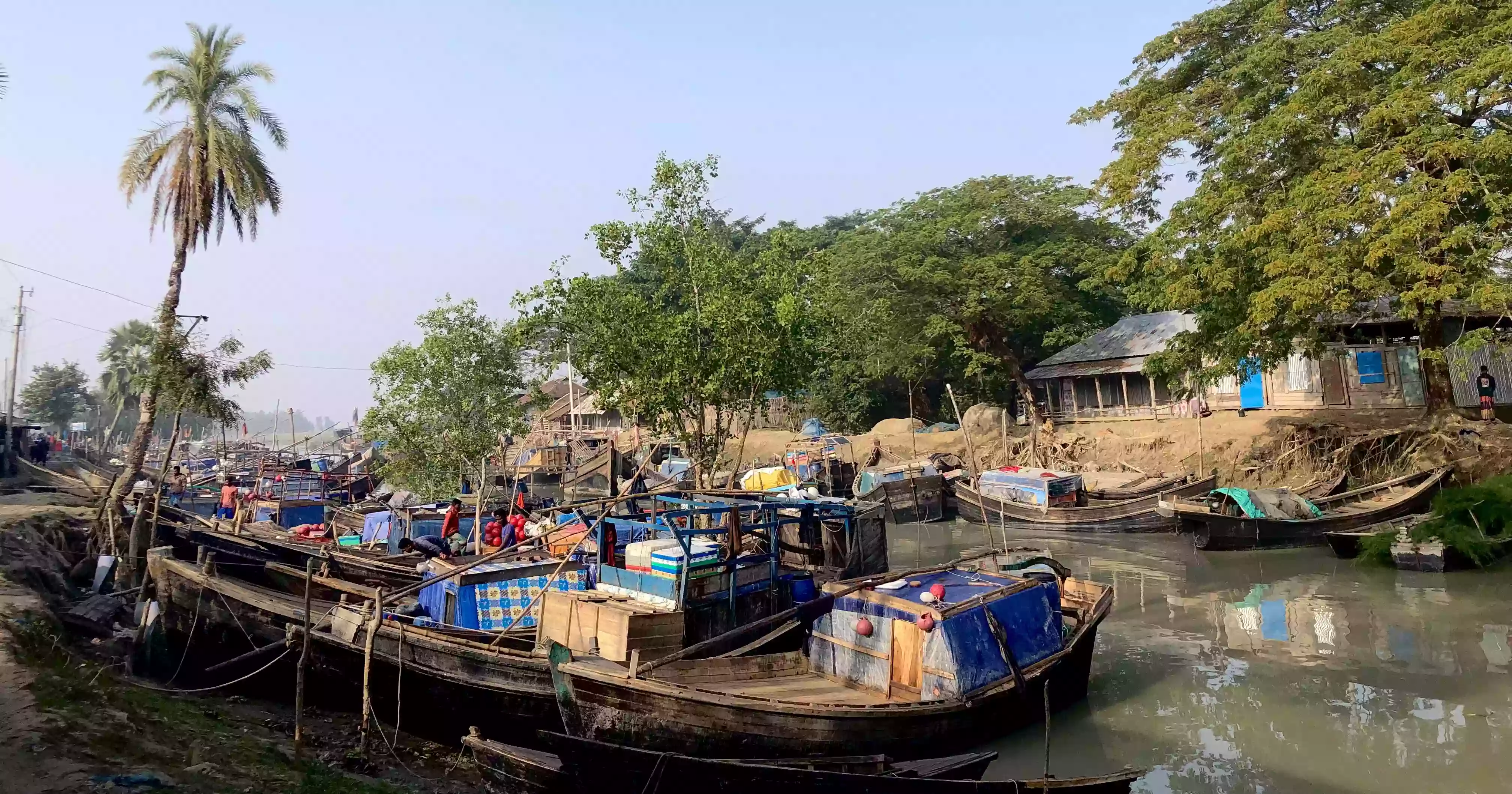
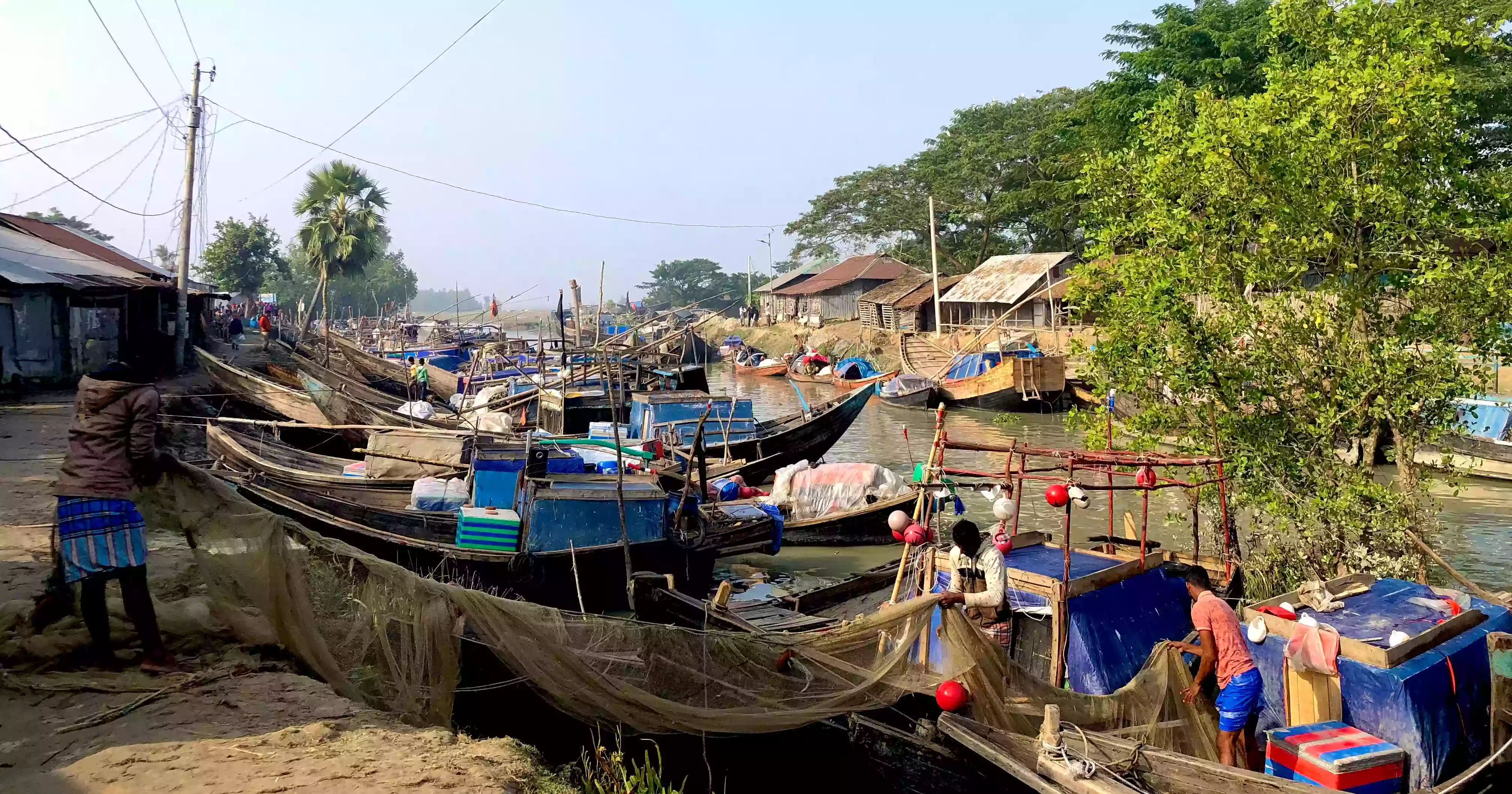
The 'Mother Ilish Conservation Campaign 2025' began across the country on October 4th and will run for 22 days until October 25th. During this period, the harvesting, transport, storage, buying, selling, and exchange of Ilish (Hilsa fish) are completely banned. The Bangladesh Coast Guard has made extensive preparations to protect the mother Ilish. Under the ‘In Aid to Civil Power’ initiative, Bangladesh Navy ships are conducting the 'Mother Ilish Conservation Campaign 2025' in the sea, coastal areas, and internal rivers of the country. They are already patrolling vast seas, coastal regions, and rivers from end to end. Beyond just patrolling, they are raising awareness among fishers through public announcements (mike-ing) and leaflet distribution to protect the mother Ilish.
The Problem of Poaching and Unmet Goals
Although Bangladeshi fishers adhere to the fishing ban to boost production by anchoring their boats at the ghats (docks), Indian fishers freely fish in the Bay of Bengal. While Bangladesh observes the ban, neighboring India’s territorial waters see unrestricted fishing during that time. Furthermore, Indian fishers often enter Bangladeshi waters and take away Ilish and all other types of fish. Consequently, the government’s ban aimed at increasing marine fish reproduction is not working and is failing to yield the desired results, a loss that is being complained about by the coastal fishers.
The Debt Trap (Dadon) Tightens its Grip
Coastal fishers are already trapped in the chains of poverty, which forces them to turn to Mahajons (money lenders/wholesalers). Though their profession starts with an advance known as Dadon (loan), the fishers get caught in a vicious cycle. Until the debt is fully repaid, they must supply the Ilish they catch, often risking their lives, to that specific Mahajon at a low price. While this changes the fortune of the wholesaler or Mahajon, the fisher's life remains stuck in the complex web of Dadon.
This Dadon system, which harks back to the advance payment scheme British East India Company once used to trap indigo farmers, is now perpetuated by the fish wholesalers and Mahajons. Millions of people on the coast are involved in fishing, and most are caught in this Dadon maze. This system benefits the wholesalers, giving them an opportunity to form new Ilish syndicates. On the other hand, it has brought extreme despair to the fishers. The lives of those who supply the silver Ilish become colorless due to the Dadon trap.