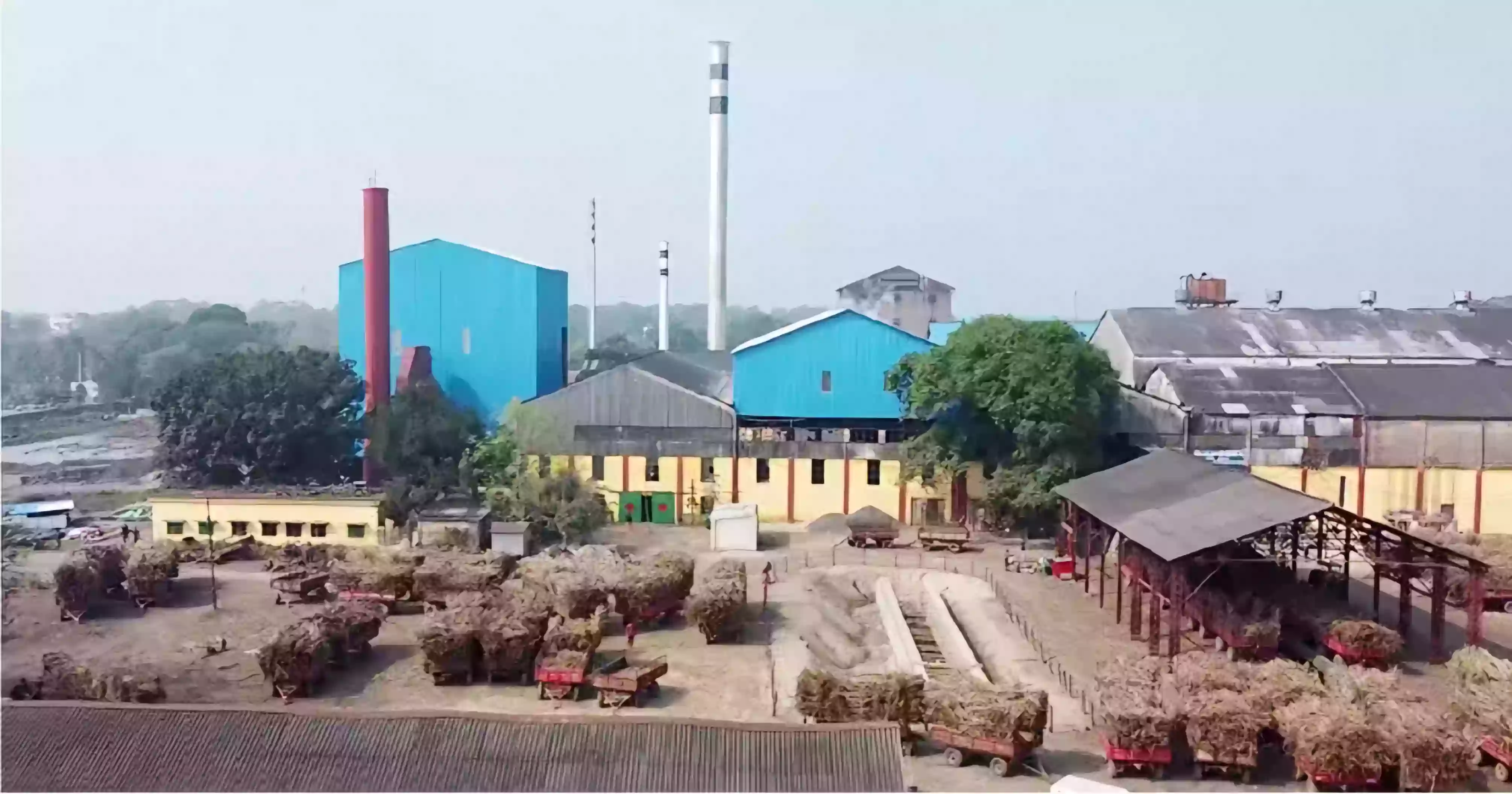
Carew & Company (Bangladesh) Limited has booked the highest net profit in its history for the 2024–25 fiscal year, even as its sugar operations continue to haemorrhage money.
This underscores the widening divide between its modernised businesses and ageing core mill, officials said.
The state-run enterprise reported a net profit of Tk 129.44 crore, up from Tk 112.07 crore a year earlier, according to company data.
Revenue contributions to the government stood at Tk 140.36 crore, broadly unchanged from last year.
The surge came overwhelmingly from the company’s distillery unit, which continues to act as Carew’s financial backbone, said an official sharing the data.
Chapainawabganj farmer sparks local excitement with amazing Chinese orange harvest
Meanwhile, the sugar division once again posted a steep loss — Tk 62.35 crore — extending a trend that has plagued the mill for years.
Why the Sugar Unit Keeps Losing Money
Internal records and accounts from officials, workers and farmers reveal a cluster of entrenched problems behind the continued slide.
Low-quality and old sugarcane varieties:
Most sugarcane supplied to the mill consists of outdated varieties with weak recovery rates.
Crushing such cane increases production costs while yielding less sugar.
Declining sugarcane farming:
Farmers cite delayed payments, high irrigation costs and uncertain returns as key reasons for shrinking acreage. Reduced supply has further hit both output and quality.
Outdated machinery:
Much of the equipment on the production line is decades old, requiring frequent repairs and driving up maintenance costs while depressing efficiency.
Irregularities deepen doubts over Khulna’s mega embankment project
Market pressure and cheaper imports:
Inexpensive imported and adulterated sugar continues to dominate retail markets, forcing locally produced sugar to compete at lower price points and eroding revenue.
Management Banks on Modernisation to Stem Losses
Company's Managing Director Rabbik Hasan said record earnings were powered by the distillery but admitted the sugar division remains burdened by a “low recovery rate, low-quality cane and old machinery”.