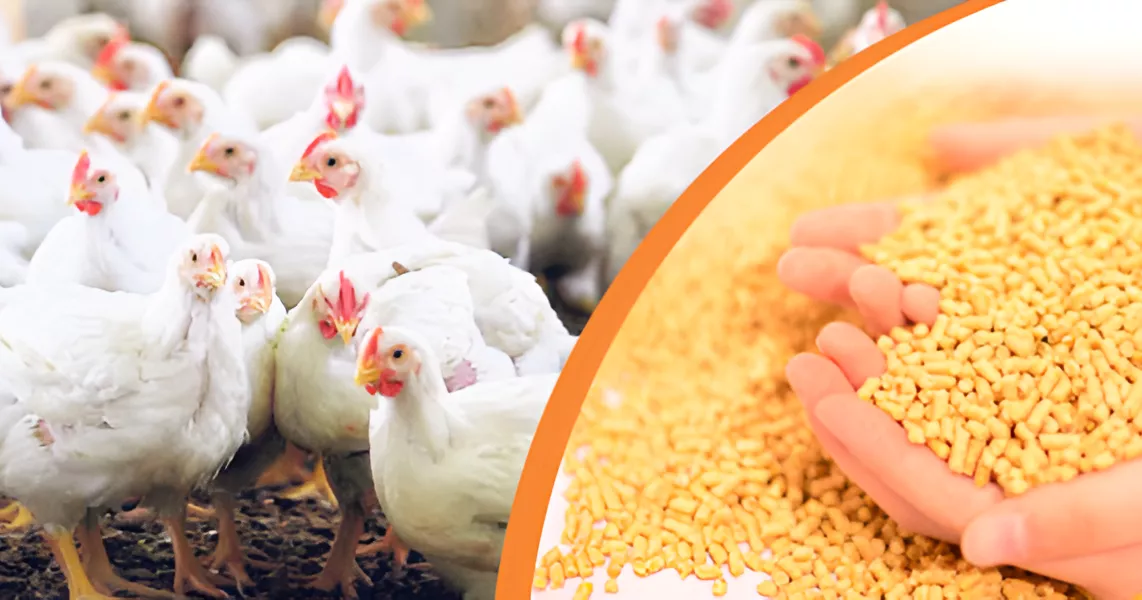
The government has taken a move to tighten control over animal feed and expand support for livestock entrepreneurs as concerns mount over food safety risks that extend from farm to table.
Officials said it is designed to ensure safer feed for cattle and poultry, ultimately improving the quality of meat, milk and eggs consumed by people.
According to an official document, the government has planned to introduce a dedicated priority loan scheme for women, youth and expatriate entrepreneurs in the livestock sector.
Ecnec approves Tk 5,452.42 crore school feeding programme to tackle malnutrition
The scheme will offer easy-term loans, with little or no collateral alongside the introduction of animal insurance to reduce financial risks for borrowers.
Authorities are also working to strengthen systems to regulate the production and supply of safe, quality feed.
Efforts are underway to coordinate with the Ministries of Land and Agriculture to expand the cultivation of natural fodder on char lands, khas lands and other fallow areas.
Besides, the process of amending the Fish Feed and Animal Feed Act, 2010 is ongoing, aimed at improving regulatory oversight and ensuring stricter quality control.
As part of broader efforts to improve animal nutrition, 8,906 demonstration plots of high-yielding grass varieties have already been established under a government project.
Silage technology has been introduced in 8,144 farms while hay-making techniques have reached 97 farms.
Around 30,000 farmers have also received training on modern livestock nutrition practices, according to the document.
Bangladesh Livestock Research Institute (BLRI) has launched research into climate-resilient fodder crops, focusing on varieties that can withstand drought, salinity and changing weather patterns.
The initiative also includes developing improved methods for grass preservation.
Despite these measures, experts warn that unsafe feed remains a serious threat to public health.
Data from National Livestock Research Institute showed that nearly 40 percent of feed samples collected across the country contain harmful substances, including heavy metals like lead and chromium, as well as residues of restricted antibiotics.
Experts point to the use of contaminated raw materials—such as tannery waste used as a protein source—and crops grown with untreated industrial wastewater as major causes.
Laboratory tests indicate that a notable share of beef and poultry products sold in urban markets exceed internationally accepted safety limits for toxic residues.
Medical experts caution that long-term consumption of contaminated animal products can lead to chronic illnesses, including kidney disease, hormonal disorders and certain cancers.
They also warn of a growing threat from antimicrobial resistance, driven by the widespread use of low-dose antibiotics in animal feed.
Public health advocates have called for stricter enforcement of existing laws, noting that only about 15 percent of feed mills currently undergo regular safety inspections.
They recommend transitioning to traceable, organic feed sources and increasing testing at key points in the supply chain to reduce risks.
Without urgent and sustained action, experts warn, contamination in the food chain could undermine gains in nutrition and public health achieved over recent decades.