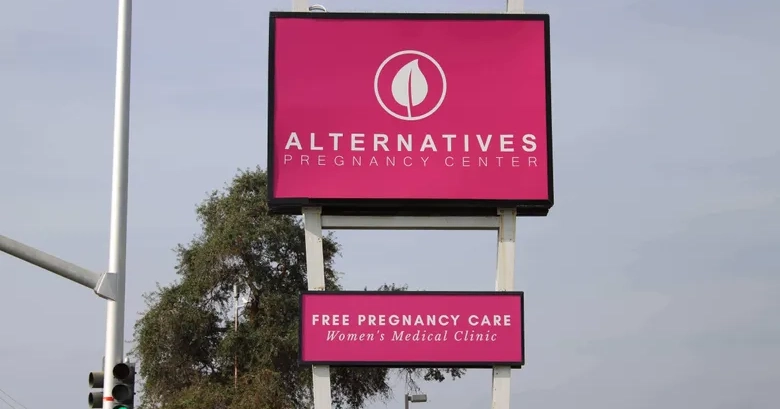
Anti-abortion pregnancy centers across the United States are rapidly broadening their medical offerings, aiming to become an alternative source of care for women who might otherwise seek abortion services.
The shift, which includes adding sexually transmitted infection testing, treatment and even primary health care, has been underway for years. It accelerated after the U.S. Supreme Court overturned Roe v. Wade, enabling states to impose abortion bans.
That growth may gain further traction as Planned Parenthood closes clinics and considers shutting more due to Medicaid funding changes. Planned Parenthood, the country’s largest abortion provider, also delivers a wide range of reproductive health care, including cancer screenings and STI services.
“We ultimately want to replace Planned Parenthood with the services we offer,” said Heather Lawless, founder and director of the Reliance Center in Lewiston, Idaho. She noted that about 40% of their patients visit for non-pregnancy reasons, and some rely on the center’s nurse practitioner for primary care.
Pregnant farmworkers face rising health risks as heat intensifies in the US
Abortion-rights groups have sharply criticized the trend, arguing the centers lack proper oversight and rarely provide contraception. They caution that most centers only conduct limited ultrasounds that cannot detect fetal anomalies and are increasingly offering the medically unproven “abortion-pill reversal” treatment.
Because most facilities do not accept insurance, they are not bound by federal patient-privacy laws such as HIPAA, though some say they voluntarily comply. Meeting broader care standards required by insurers or Medicaid is also not mandatory, but those offering specific medical procedures generally employ licensed medical directors.
“There are really bedrock questions,” said Jennifer McKenna of Reproductive Health and Freedom Watch, “about whether this industry has the clinical infrastructure to provide the medical services it’s currently advertising.”
Post-Roe environment fuels expansion
Often linked to religious organizations and historically known as “crisis pregnancy centers,” many expanded services such as baby supplies and counseling even before the 2022 Dobbs decision.
“These centers are preparing to support their communities for the long-term,” said Moira Gaul of the Charlotte Lozier Institute, the research arm of SBA Pro-Life America.
In Sacramento, California, Alternatives Pregnancy Center has added primary care physicians, a radiologist and a high-risk pregnancy specialist over the past two years. For some patients, it has become their exclusive health provider.
One patient, Jessica Rose, who detransitioned after years of hormone therapy and surgery, said the center was the only place offering care aligned with her values. “APC provided me a space that aligned with my beliefs as well as seeing me as a woman,” she said.
Clinic closures heighten reliance
As of 2024, more than 2,600 anti-abortion pregnancy centers operate nationwide, according to data from University of Georgia researchers. Guttmacher Institute figures show only 765 clinics offered abortions last year, a decline of over 40 from 2023.
At the same time, Republican-led states have boosted public funding for pregnancy centers. Texas allocated $70 million to them this fiscal year, while Florida provided more than $29 million.
This comes as Republicans have blocked Planned Parenthood from Medicaid reimbursements under the tax and spending law signed by President Donald Trump in July. Planned Parenthood has warned that up to 200 clinics could be shut.
Already, some affiliates have halted abortions in Wisconsin or dropped Medicaid services in Arizona. Independent providers in Maine have stopped primary care altogether, raising concerns about growing healthcare deserts.
Kaitlyn Joshua of the group Abortion in America said closures leave many women with only pregnancy centers as an option. “Those centers should be regulated,” she said, adding that patients deserve accurate information rather than “just getting a sermon that they didn’t ask for.”
However, Thomas Glessner of the National Institute of Family and Life Advocates insisted that oversight is in place through medical directors. “Their criticism,” he said, “comes from a political agenda.”
Limited services remain a point of contention
Choices Medical Services in Joplin, Missouri, which expanded into STI treatment two decades ago, now devotes much of its work to non-pregnancy care, according to director Karolyn Schrage.
The center does not provide contraception, instead promoting what it calls “sexual risk elimination,” a stance public health experts say conflicts with accepted best practices.
Still, supporters like Hayley Kelly, who sought care there in the past and later continued to use its services during difficult circumstances, describe the organization as invaluable. “It’s amazing place,” she said. “I tell everybody I know, ‘You can go there.’”
Source: AP