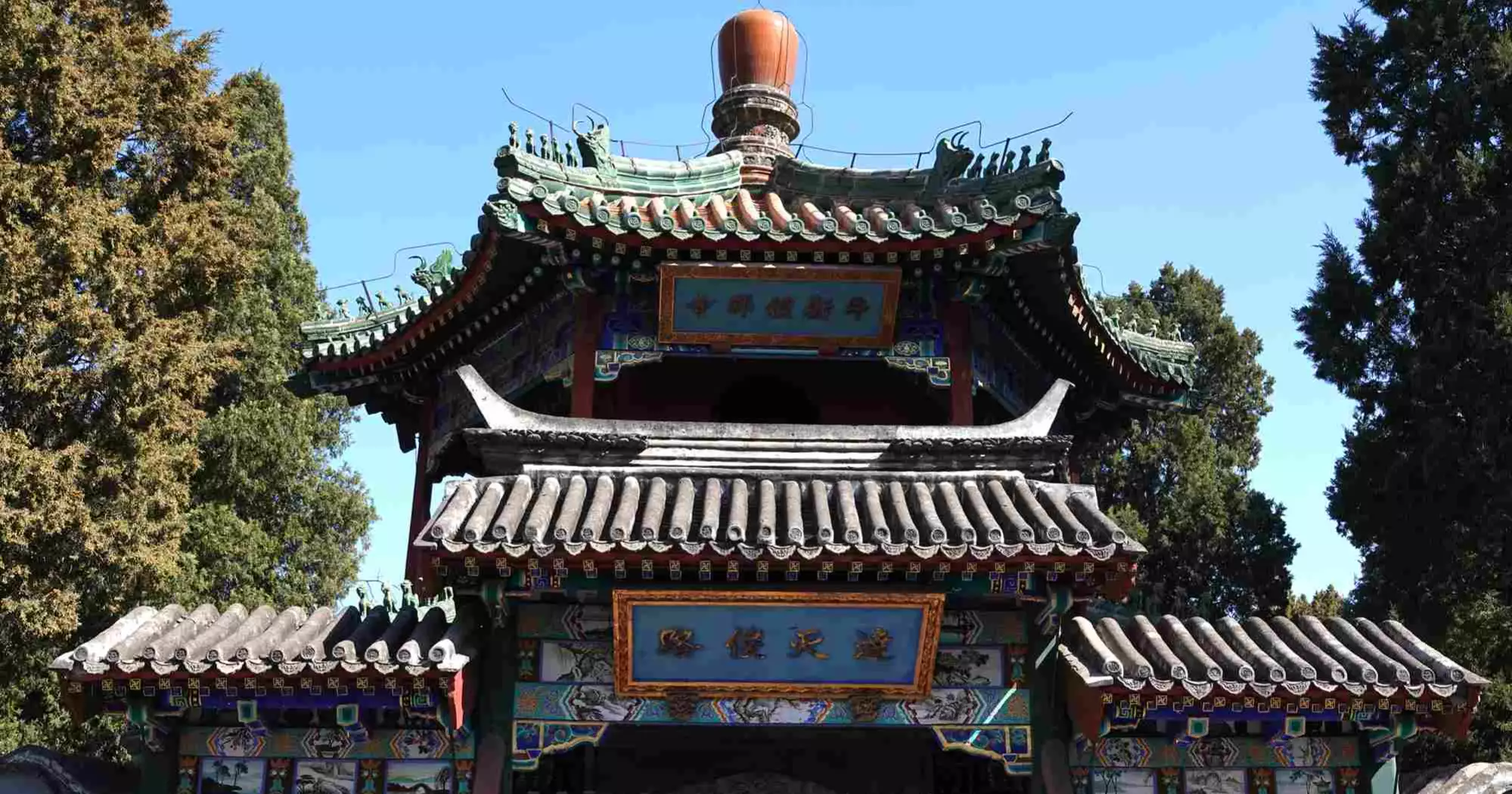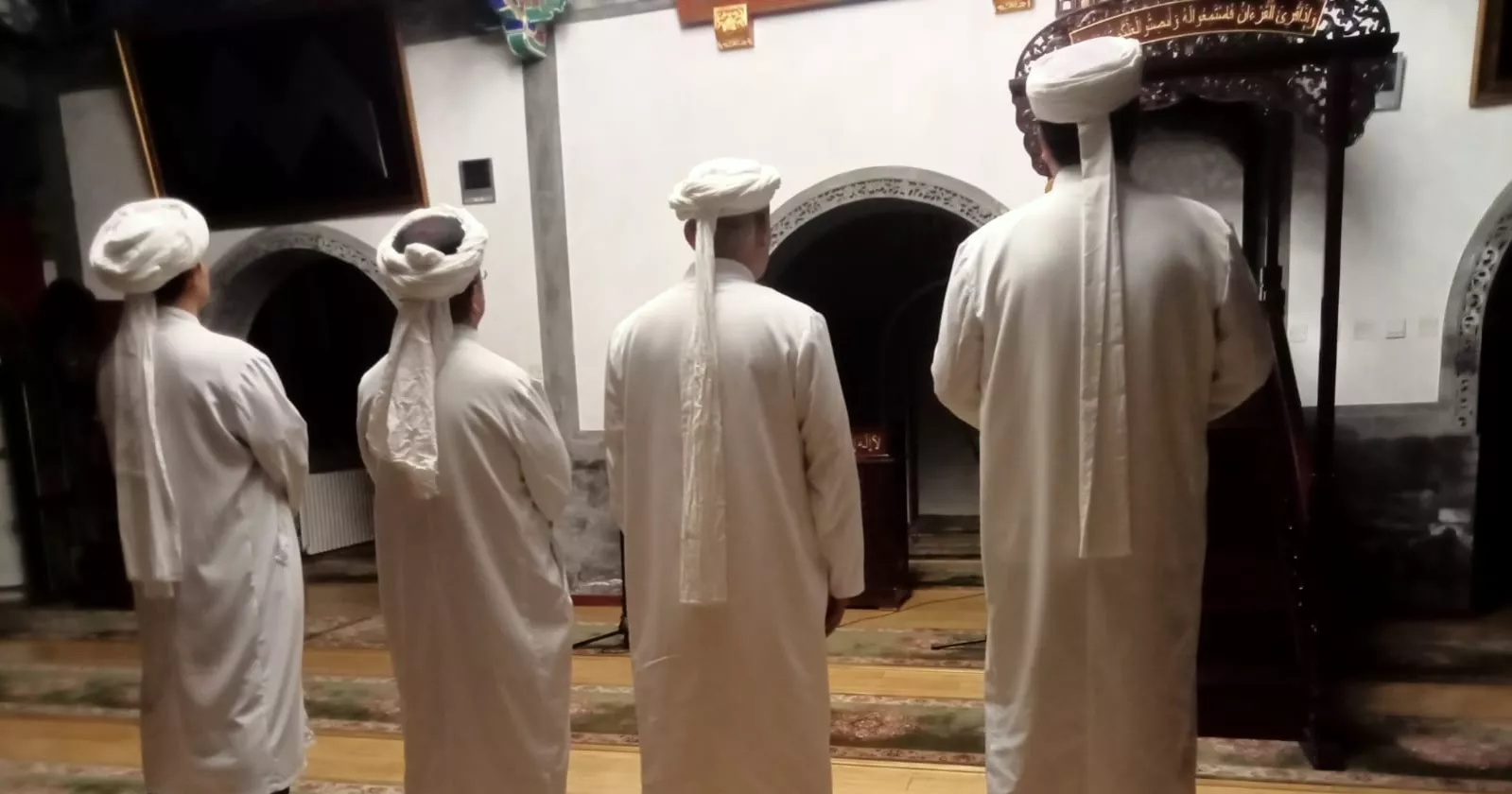
Eid-ul-Azha, one of the two major Islamic festivals, is celebrated by Chinese Muslims with religious devotion, cultural tradition and community spirit as elsewhere in the world.
As the Muslim community in China prepares to mark Eid-ul-Azha on Friday (June 6), millions of Chinese Muslims will observe the festival with dedication and joy.
Celebrated across diverse regions—from the Hui-majority areas in Ningxia and Gansu to Uighur communities in Xinjiang—Eid in China reflects a rich tapestry of religious rituals and cultural customs.
According to Wikipedia, China is home to an estimated 17–25 million Muslims, comprising less than 2 percent of the total population.
Eid home rush: 12-km tailback on Dhaka-M’sing highway
Hui Muslims are the most numerous group nationwide.
The greatest concentration of Muslims resides in northwestern China's Xinjiang autonomous region, which has a significant Uyghur population.
This geographic and cultural diversity influences how Eid is celebrated across different communities.
The Muslim population in Beijing is smaller compared to many other provinces.
Muslims in the city also celebrate Eid with a festive mood.
The day begins with prayers held in mosques nationwide.
Speaking to UNB, one of the imams of a mosque situated in Dongcheng, Beijing, said they will offer the Eid-ul-Azha prayer at 8 am on Friday.
“These special Eid Salah (prayer) sessions often draw large congregations, with sermons emphasising themes of sacrifice, gratitude, and unity.
For many Muslims, the prayer is an opportunity to reaffirm faith and seek blessings for their families and communities,” he added.
He said after offering prayer, they will slaughter sacrificial animals, hoping to receive blessings from the Almighty.
Md Ataur Rahman Sobuj, a Bangladeshi living in Beijing for several years, said, “We Bangladeshis usually offer Eid prayers at the Eidgah, but Chinese Muslims perform their Eid prayers at mosques instead.”
He said there are about 65 mosques in Beijing and one can offer prayer at any of them without restrictions or hassles.