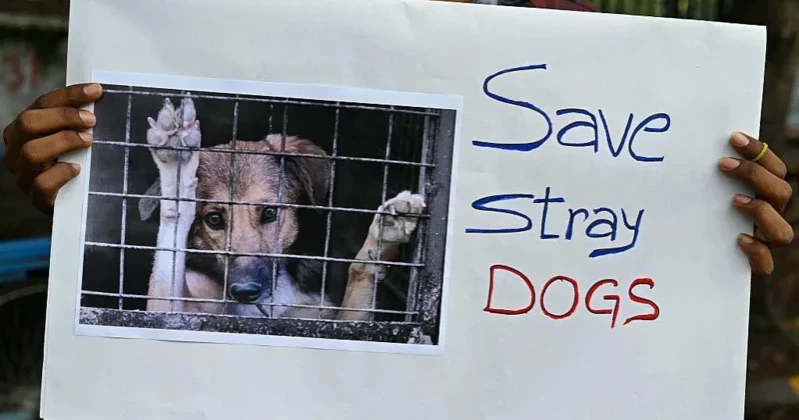
Authorities in the southern Indian state of Telangana have launched an investigation after hundreds of stray dogs were reportedly killed across at least six villages in the past month.
Police have confirmed at least 354 deaths so far and arrested nine individuals in connection with some of the cases. While animal welfare activists told the BBC that the dogs were either poisoned or injected with lethal substances, police said they are awaiting forensic reports to determine the exact method used.
Villagers claimed that the killings were linked to promises made by candidates during recent local election campaigns to remove stray dogs and monkeys from public areas. The incidents have come amid a nationwide debate on stray animals, with the Supreme Court currently hearing petitions on controlling street dogs, including in the capital Delhi. Killings on such a large scale remain rare and have sparked public outrage.
Stray animals, mainly dogs but also cattle and monkeys, are considered a persistent problem in many parts of India. They are often blamed for attacks on people, crop damage, and traffic accidents. Experts cite gaps in sterilisation and vaccination programmes, rising garbage, animal abandonment, shrinking forest habitats, and inconsistent law enforcement as contributing factors.
While stray dogs often form strong bonds with local communities, animal rights activists have repeatedly flagged cruelty and warned that penalties for harming them are insufficient. Telangana State Minister Danasari Anasuya Seethakka described the killings as “illegal” and “inhumane,” promising strict action against those responsible.
The Supreme Court has also been addressing the issue. In August 2025, it ordered authorities in Delhi and surrounding areas to relocate stray dogs to shelters within two months. After public protests, the order was modified to require immunisation and vaccination before releasing the animals back to their neighbourhoods. Animal welfare groups argue that overcrowded shelters are unscientific, while proponents of removal claim uncontrolled populations threaten human safety and livelihoods.
The killings in Telangana occurred across three districts between late December and mid-January. In Kamareddy district, police said 244 dogs were buried in four locations, with government veterinary doctors conducting post-mortems and sending samples to laboratories. Village council heads were found involved. In Shayampet and Arepally villages near Warangal, 110 dogs were killed, and nine people, including village council heads, were arrested. In Jagtial city, police are investigating claims that around 40 dogs were killed at the end of December, though no bodies were recovered.
Minister Seethakka told the Hindu newspaper that killing stray dogs under the pretext of population control is unjustifiable, and the government has issued instructions to village councils to prevent recurrence. Activists suggest the actual number of culled dogs may be higher than police figures.
Some residents defended the killings. Raju, son of the Arepally village head, said only rabid dogs were killed due to disease, aggression, and involvement in road accidents. Another resident, Vijay, claimed most villagers supported the actions over fears of bites and disease. Telangana recorded nearly 122,000 dog bite cases in 2024, though no rabies deaths were reported.
The dog killings coincide with other alleged incidents involving stray animals in Telangana, including reports of monkeys found dead or critically injured, allegedly tranquillised and dumped along highways in Kamareddy district.
With inputs from BBC