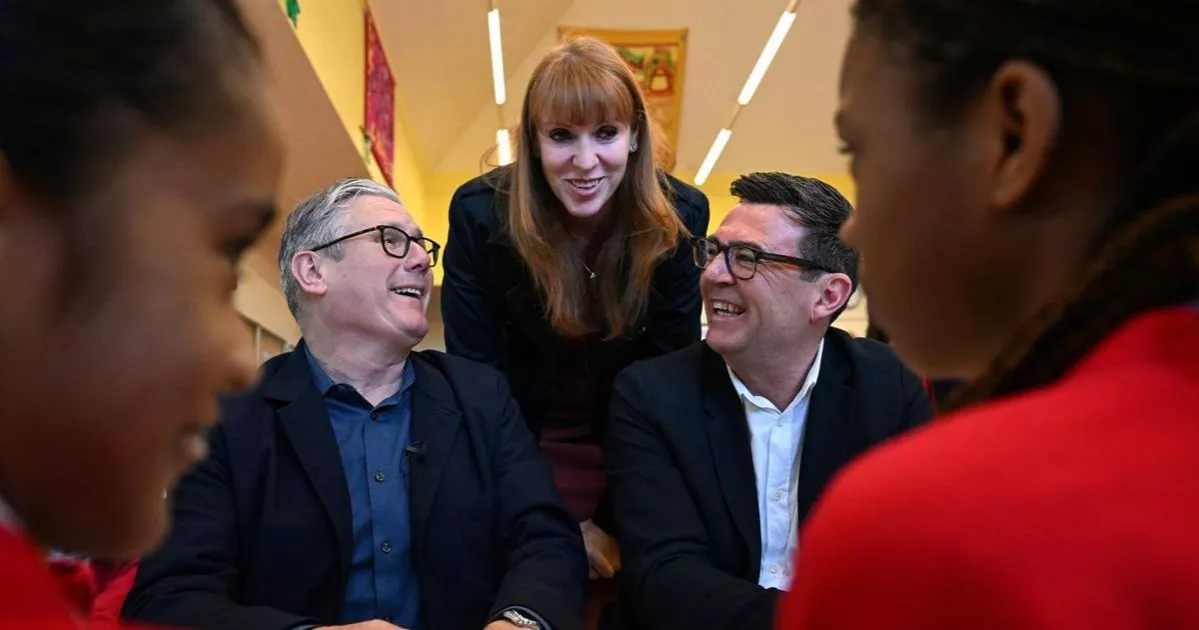
UK Prime Minister Keir Starmer is facing growing pressure over his leadership after his Labour Party suffered heavy losses in last week’s local elections, raising questions about his political future just months after a landslide national win in 2024.
Although Labour secured a decisive victory in July 2024, the party’s popularity has since declined sharply. Many within Labour are now blaming Starmer for the setback, pointing to a mix of policy misjudgments, a lack of clear direction, concerns over the struggling UK economy, and controversy surrounding some of his key decisions.
One of the most criticised moves was his appointment of Peter Mandelson as Britain’s ambassador to Washington, despite concerns over Mandelson’s past links to convicted sex offender Jeffrey Epstein.
The next general election is not due until 2029, but under UK political rules, a prime minister can be replaced in the middle of a parliamentary term without calling a national vote.
Inside Labour, some believe that changing the party leadership may be necessary to restore public confidence and counter challenges from both the political right and left. “We have to change and we have to do it quickly,” Labour lawmaker Catherine West said, calling for a clear timeline to “turn this ship around.”
However, replacing a leader is not straightforward. Unlike the Conservative Party, which has a history of removing prime ministers mid-term, Labour has rarely changed its leader through internal pressure, and no Labour prime minister has ever been formally ousted in this way.
One possible route for change would be Starmer voluntarily stepping down, which would trigger a leadership contest. If he resigned immediately, an interim prime minister could be chosen from within the Cabinet or party leadership, with Deputy Prime Minister David Lammy seen as a possible caretaker.
To trigger a leadership contest, any challenger must secure support from at least 20 percent of Labour MPs, currently 81 members. More than 70 MPs have already called for Starmer to set a timetable for his resignation, reflecting growing dissatisfaction, though no formal challenge has yet emerged.
If a contest is triggered, candidates would also need backing from local party organisations or affiliated groups such as trade unions. Party members would then vote using a ranked system, and the winner would need more than 50 percent support to become leader. The final decision would be formally confirmed by King Charles III, who would invite the winner to form a government.
Starmer, however, has ruled out resigning, saying it would “plunge the country into chaos.”
If he refuses to step down, potential challengers could still emerge. Health Secretary Wes Streeting is seen as a possible contender, as is former deputy prime minister Angela Rayner, who left her post last year amid a tax-related investigation.
Andy Burnham, the popular mayor of Greater Manchester, is also widely discussed as a strong leadership figure. However, he is currently ineligible to run as he is not a member of parliament. Some party insiders suggest that arrangements could be made for him to return to Westminster if Starmer signals a planned resignation.
For now, however, Labour remains divided, and Starmer’s position appears increasingly uncertain following the party’s disappointing election performance.