A month after nationwide protests erupted in Iran, fear and uncertainty are spreading across the Middle East over a possible U.S. military strike, as regional diplomacy intensifies to avert a crisis.
Iranian officials engaged with neighboring countries on Wednesday following signs that Washington may consider military action. Saudi Arabia and the United Arab Emirates have both ruled out allowing their airspace to be used for any such attack. Meanwhile, the U.S. has deployed the USS Abraham Lincoln and several guided missile destroyers to the region, capable of launching strikes from the sea.
U.S. President Donald Trump has not yet decided on using force, although he has warned against the killing of peaceful demonstrators and mass executions of detainees. Activists say at least 6,221 people have died in Iran’s crackdown on protests, with thousands more injured or arrested.
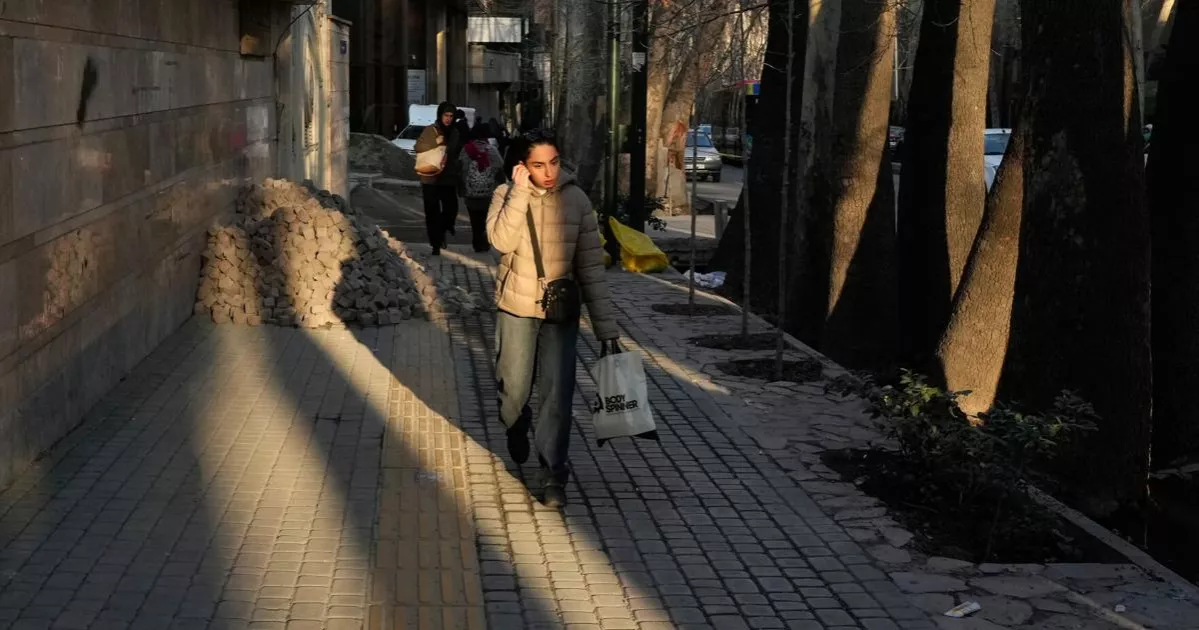
Amid internet restrictions, Iranians remain anxious, watching videos of shootings and fearing further escalation while the country’s economy deteriorates. “I feel my generation failed to teach the younger ones,” said Mohammad Heidari, a Tehran high school teacher.
Diplomatic contacts intensified this week. Egypt’s Foreign Minister Badr Abdelatty spoke with Iranian Foreign Minister Abbas Araghchi and U.S. Middle East envoy Steve Witkoff to “work toward achieving calm.” Saudi Crown Prince Mohammed bin Salman also spoke with Iranian President Masoud Pezeshkian, reiterating that Saudi airspace or territory would not be used for attacks against Iran, a position mirrored by the UAE.
Both countries host U.S. military assets but have faced attacks in recent years, including the 2019 strike that halved Saudi oil production and Houthi attacks on the UAE in 2022. Iran also targeted Qatar’s Al Udeid Air Base last year after U.S. airstrikes on Iranian nuclear sites.
Araghchi stressed that diplomacy must replace threats. “Negotiations must be conducted on an equal footing, based on mutual respect, and for mutual benefit,” he said.
Human Rights Activists News Agency reported at least 6,221 deaths, including protesters, children, and civilians, with over 42,300 arrests since the unrest began on Dec. 28 following a sharp fall in the Iranian rial. Iran’s official figures remain far lower, citing 3,117 deaths and labeling many victims as “terrorists.”
The current unrest, the deadliest in decades, recalls the turmoil of the 1979 Islamic Revolution.