Blood Pressure
Injection helps control blood pressure when pills fail: study
A new study suggests that a single injection given every six months could help lower blood pressure in patients who do not respond well to regular medication, offering a potential new way to manage hypertension.
The findings, published in the Journal of the American Medical Association, come from a global clinical trial led by researchers at Queen Mary University of London.
The trial, known as KARDIA-2, involved 663 adults whose high blood pressure remained poorly controlled despite taking standard medicines.
Participants who received the experimental drug zilebesiran alongside their usual treatment showed greater reductions in blood pressure compared to those who continued with standard therapy alone, researchers said.
High blood pressure is a major global health concern and a leading cause of heart attacks, strokes and death if left untreated. In the UK, it affects about one in three adults.
Dr Manish Saxena, a hypertension specialist at Barts Health NHS Trust and a lead researcher in the study, said the results highlight both the effectiveness and safety of the new treatment.
He noted that the long-lasting nature of the injection could make it easier for patients to manage their condition, as it requires only two doses a year.
Zilebesiran works using RNA interference technology to lower blood pressure. It blocks the production of angiotensinogen, a protein made in the liver that helps regulate blood pressure. Reducing this protein allows blood vessels to relax, leading to lower pressure levels. The drug is given as an injection under the skin.
Researchers are continuing to study the drug in a follow-up trial, KARDIA-3, to assess its benefits for patients with high blood pressure who also have cardiovascular disease or are at high risk.
A larger global study is also planned later this year to examine whether the treatment can reduce serious outcomes such as strokes and cardiovascular-related deaths.
The research was funded by Alnylam Pharmaceuticals, with Barts Health NHS Trust serving as a key trial site and the leading enrolment centre in Europe.
Source: Science daily
6 months ago
3 common high-protein diet mistakes and how to avoid them, says nutritionist
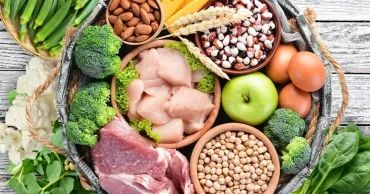
High-protein diets have become increasingly popular for weight loss and muscle building, but many people experience bloating, fatigue, constipation, or discomfort after upping their protein intake. Experts say the problem usually lies not in protein itself, but in how it is incorporated into the diet.
Nutritionist Leema Mahajan recently shared on Instagram the most frequent mistakes people make while following a high-protein diet.
Mistake 1: Not drinking enough waterHigh protein increases urea production, which the body needs water to flush out through the kidneys. Without sufficient hydration, symptoms such as headaches, fatigue, dark urine, and constipation can occur. “Protein itself does not dehydrate you. Poor hydration does,” Mahajan explained.
Mistake 2: Reducing fibre intakeSome people replace meals with protein shakes or cut carbohydrates entirely, which removes fibre from the diet. Protein powders contain almost no fibre, and reducing fruits, vegetables, whole grains, and legumes can slow digestion, causing bloating and constipation. According to Mahajan, these issues arise from low fibre and inadequate water, not protein.
Read More: Nutritionist warns: 5 protein-rich foods that may actually cause weight gain
Mistake 3: Cutting down fruits and vegetablesAnimal-heavy high-protein diets can increase the body’s acid load. Potassium, mainly found in fruits and vegetables, helps neutralise this acidity. Eliminating these foods can lead to cramps, bloating, kidney stress, and blood pressure problems. Studies show the risk comes from high protein combined with low potassium intake.
Mahajan advised gradually increasing protein while maintaining sufficient water, fibre, and potassium from plant sources. “Protein works best when it is supported, not isolated,” she said.
Source: NDTV
8 months ago

Raise Low Blood Pressure: What to Eat, Drink, Avoid
Low blood pressure or hypotension refers to a reading of blood pressure under 90/60mmHg. It results in insufficient blood flow and therefore poor delivery of oxygen and nutrients to the heart, brain, kidneys, and other organs of your body. It does not cause symptoms most of the time, but you may need treatment if it occurs frequently. You can increase your low blood pressure by taking and avoiding some foods and drinks. We are here with a list of the best and worst foods and drinks for low blood pressure patients.
Symptoms of low blood pressure
Some people with low blood pressure have no symptoms. However, the general symptoms of low pressure include:
-dizziness or lightheadedness
-nausea
-fainting
-dehydration and unusual thirst
-blurred vision
-fatigue
-rapid, shallow breathing
-cold, clammy, and pale skin
-depression
-lack of concentration.
Read More: 14 Top Anti-aging Foods to Look Younger
Causes of low blood pressure
Low blood pressure can be short-term or long-term and it can be a result of the following causes:
-aging
-prolonged bed rest
-certain medications
-side-effects of high blood pressure medications
-diabetes
-pregnancy
-heart problems
-endocrine problems
-severe infection
-severe allergic reaction
-neurally mediated hypotension
-nutritional deficiencies
-diet
-stress
-vigorous exercise.
Read More: Top Traditional Bangladeshi Foods You Must Try
Best food and drinks for low blood pressure diet
Raisins
Raisins are great for reducing hypertension and successfully managing low blood pressure also. Just soak about 10-12 pieces of raisins in water the whole night and eat them in the morning on an empty stomach. Besides, you can take raisin-soaked water.
3 years ago