reptile
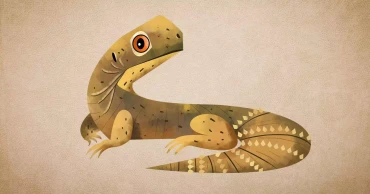
Sanda Lizard: A fascinating reptile of the desert
The Sanda Lizard has been trending recently with a slew of memes on social media talking about eating sanda. But what’s the story behind the lizard?
Also known as Hardwicke’s spiny-tailed lizard (Saara hardwickii), it is a master of survival in one of Earth’s harshest landscapes. Known for its herbivorous diet and burrowing habits, this reptile is not just a desert dweller but a cultural and ecological cornerstone.
A Desert Survivor: Habitat and Distribution
The Sanda Lizard thrives in the arid regions of South Asia, specifically the Thar Desert and Kutch in India, and parts of Pakistan, including Sindh’s Kohistan region near Karachi. Unlike its cousin, the Arabian spiny-tailed lizard (Uromastyx aegyptia), common in Saudi Arabia, the Sanda Lizard prefers firm ground over sandy dunes.
In Kutch, it inhabits elevated patches called "Bets," which stay above monsoon water levels (Roundglass Sustain). These colonial lizards live in loose clusters, digging zig-zagging burrows up to 2 meters long for shelter and hibernation, making them a vital part of the desert ecosystem.
Who Eats the Sanda Lizard?
In India and Pakistan, local communities hunt the Sanda Lizard for its meat and fat. The meat, described as white and chicken-like, is a delicacy in some regions, particularly among certain Hindu castes in India . The tail is especially prized.
However, the fat is the real treasure, boiled into "sanda oil" and used as an embrocation or a supposed aphrodisiac, believed to treat ailments like joint pain and impotence . In Pakistan, vendors in Rawalpindi’s Raja Bazaar sell this oil, marketing it as a stamina booster.
In the wild, the Sanda Lizard is a key prey species for raptors like the Laggar Falcon and Tawny Eagle, which feed on it, reinforcing its ecological importance. Desert foxes and snakes also target it, drawn to its colonial burrows.
1 year ago
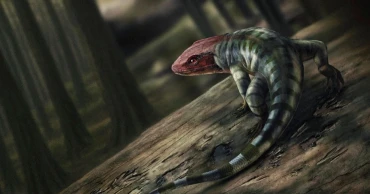
Ancient footprints rewrite timeline of land-dwelling animals
Scientists in Australia have identified the oldest known fossil footprints of a reptile-like animal, dated to around 350 million years ago.
The discovery suggests that after the first animals emerged from the ocean around 400 million years ago, they evolved the ability to live exclusively on land much faster than previously assumed, reports AP.
“We had thought the transition from fin to limb took much longer,” said California State University paleontologist Stuart Sumida, who was not involved in the new research.
Previously the earliest known reptile footprints, found in Canada, were dated to 318 million years ago.
Ancient wooden spears found in Germany may have been wielded by Neanderthals, a new study suggests
The ancient footprints from Australia were found on a slab of sandstone recovered near Melbourne and show reptile-like feet with long toes and hooked claws.
Scientists estimate the animal was about 2 1/2 feet (80 centimeters) long and may have resembled a modern monitor lizard. The findings were published Wednesday in Nature.
The hooked claws are a crucial identification clue, said study co-author and paleontologist Per Ahlberg at Uppsala University in Sweden.
“It’s a walking animal,” he said.
Only animals that evolved to live solely on land ever developed claws. The earliest vertebrates -- fish and amphibians – never developed hard nails and remained dependent on watery environments to lay eggs and reproduce.
But the branch of the evolutionary tree that led to modern reptiles, birds and mammals – known as amniotes -- developed feet with nails or claws fit for walking on hard ground.
“This is the earliest evidence we’ve ever seen of an animal with claws,” said Sumida.
At the time the ancient reptile lived, the region was hot and steamy and vast forests began to cover the planet. Australia was part of the supercontinent Gondwana.
The fossil footprints record a series of events in one day, Ahlberg said. One reptile scampered across the ground before a light rain fell. Some raindrop dimples partially obscured its trackways. Then two more reptiles ran by in the opposite direction before the ground hardened and was covered in sediment.
Fossil “trackways are beautiful because they tell you how something lived, not just what something looked like,” said co-author John Long, a paleontologist at Flinders University in Australia.
1 year ago
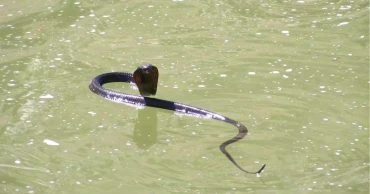
How to Stay Safe from Snakes During and After Flood
The ongoing flood is wreaking havoc on human lives, livestock, wildlife, and properties in affected areas of Bangladesh. Floodwater is washing away houses, trees, cattle, and people with the current. Apart from the rampage of floodwater, people also die from snake bites and other poisonous insects during the rainy season. To prevent such unwanted loss of lives, mass awareness is needed.
Why Do Floods Increase Snake Movement?
Floodwaters disrupt the natural environment, forcing snakes to leave their habitats in search of dry land. In a country like Bangladesh, where rivers crisscross the landscape, the risk of encountering snakes during and after a flood is particularly high. These reptiles may enter homes, fields, and even urban areas as they seek refuge from the rising waters.
Types of Snakes Commonly Found in Flood-Affected Areas
In Bangladesh, both venomous and non-venomous snakes prevail. A few of the common species are:
Russell’s Viper: One of the most dangerous venomous snakes in Bangladesh.Common Krait: Known for its potent venom and nocturnal behavior.Spectacled Cobra: A venomous snake that is often found in residential areas.Rat Snake: Non-venomous but can be mistaken for a cobra due to its size.
Knowing the types of snakes in your area can help you stay vigilant and take appropriate precautions.
Read more: Russell's Viper: Myths, Facts, and Everything You Need to Know
Cautions Before Inundation to Minimise the Risk of Snake Encounters
Preparation is key to reducing the risk of snake attacks during a flood. Here are some steps you can take before the floodwaters rise:
Secure Your Home
Ensure that your home is as snake-proof as possible. Check for gaps and holes in walls, doors, and windows where snakes could enter. Seal these openings with caulk or other suitable materials. Pay special attention to areas around pipes and drains, as snakes can use these as entry points.
Clear Your Surroundings
Keep your yard and surrounding areas clear of debris, tall grass, and piles of wood or trash. These can serve as hiding spots for snakes. Regularly trim bushes to reduce the likelihood of snakes taking up residence near your home.
Read more: Essential Snake Safety Tips for Hiking, Trekking, Camping, and Traveling
Double-check Household Items
Store food, water, and other essential items on elevated platforms to avoid attracting snakes into your home during a flood. Snakes may enter buildings in search of food, and eliminating potential food sources can reduce this risk.
Educate Your Family
Teach your family members, especially children, about the dangers of snakes and how to identify common species in your area. Make sure everyone knows how to respond if they encounter a snake, including keeping a safe distance and notifying an adult immediately.
Safety Measures During the Flood to Avoid Snake Attacks
When floodwaters rise, snakes are more likely to be on the move. Here’s how to stay safe:
Stay Indoor
If possible, stay indoor during the height of the flood. Snakes may be swimming in the water or seeking shelter on dry ground. Avoid wading through floodwaters, especially in areas where visibility is low.
Read more: Hollywood's Top 10 Most Thrilling Snake Films
Use a Stick to Probe Ahead
If you must walk through floodwaters, use a long stick to probe the ground ahead of you. This can help you detect any hidden snakes before stepping on them. Wear boots and long pants to protect your legs from potential bites.
Be Cautious Around Debris
Floodwaters can carry debris like logs, branches, and trash, which may provide hiding spots for snakes. Be cautious when moving or working near debris, and avoid reaching into areas where you cannot see clearly.
Keep Your Home Well-Lit
Snakes tend to avoid well-lit areas. If you’re using a generator or battery-powered lights, keep your home well-lit at night to deter snakes from entering.
Read more: Russell's Viper: Myths, Facts, and Everything You Need to Know
2 years ago