Air Transportation
US. Airlines cancel 1,000 flights amid FAA-ordered service reductions
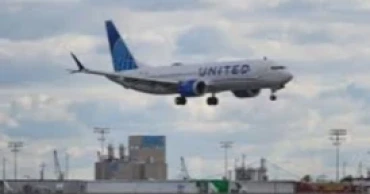
Travelers across the United States saw mostly on-time departures Friday (7th November 2025), even as airlines canceled more than 1,000 flights to comply with a Federal Aviation Administration (FAA) order tied to the ongoing government shutdown.
Despite a relatively stable day of travel, concern grew over additional cancellations expected in the coming week as the FAA reduces flight operations at major airports. The agency’s order follows a rise in absences among unpaid air traffic controllers, many of whom have gone nearly a month without pay.
While some travelers scrambled to adjust their plans—booking alternative flights or renting cars—the cancellations still represented a small portion of total U.S. air traffic. However, long lines and last-minute disruptions were reported at around 40 major airports, including Atlanta, Dallas, Denver, and Charlotte.
Airlines said they anticipate minimal disruptions through the weekend, and international routes remain unaffected. But Transportation Secretary Sean Duffy warned that if the shutdown continues past next week—when controllers miss another paycheck—flight cancellations could rise from 10% to as much as 20%.
Long Lines and Creative Travel Solutions
At Houston’s George Bush Intercontinental Airport, passengers waited in security lines that barely moved. “It was winding through every part of the terminal,” said traveler Cara Bergeron. “I’ve never seen anything like it.”
Read more: Wall Street set to open higher as investors eye earnings amid US shutdown
Other travelers faced bigger challenges. Karen Soika, a surgeon from Connecticut, learned her Newark flight had been moved to JFK Airport—an hour away. When rental cars were unavailable, she decided to rent a U-Haul truck and drive cross-country to Utah, where she is consulting on a TV production. Rental car companies like Hertz reported a sharp uptick in one-way rentals.
Airlines Work to Rebook Passengers
According to flight-tracking site FlightAware, Friday’s 1,000-plus cancellations were about five times Thursday’s total. Reagan National Airport saw the highest impact, with 18% of flights grounded, while O’Hare, Atlanta, Denver, and Dallas-Fort Worth each lost around 3% of scheduled flights.
United and American Airlines said they were able to rebook most passengers quickly, prioritizing cancellations on smaller regional routes to minimize disruptions. Delta canceled roughly 170 flights Friday, American about 220 per day through Monday, and Southwest around 120.
The FAA said the flight reductions will start at 4% of operations at the busiest airports and gradually increase to 10% next week.
“I just don’t want to end up stranded on an airport bench,” said traveler Michele Cuthbert of Columbus, Ohio. “Everyone’s paying the price for politics.”
Experts warn that if the shutdown drags on, cargo shipments could also be affected, since nearly half of U.S. air freight moves in passenger aircraft. “Air travel is a core part of America’s economic infrastructure,” said Greg Raiff, CEO of Elevate Aviation Group. “This will ripple through business, tourism, and freight.”
Why the Cuts Are Happening
The FAA said the service reductions aim to ease the burden on overworked controllers, many of whom are working six days a week with mandatory overtime. As financial stress mounts, more are calling out of work.
“I don’t want to see delays or disruptions,” Secretary Duffy said Friday at Reagan National Airport. “But safety must come first.”
Read more: Asian shares rise on Wall Street gains as tech stocks rally despite U.S. government shutdown
The FAA’s decision comes as the Trump administration continues pressuring Congress to end the government shutdown. Even if an agreement is reached soon, officials said the reduced flight schedules will remain in place until staffing levels stabilize.
At Denver International Airport, officials have opened a food pantry for unpaid federal workers and asked the FAA to approve using airport revenue to cover controller pay—so far, without response.
What Travelers Can Do
Airlines are navigating uncertain territory, said Loyola University Maryland professor Kerry Tan. “The unpredictability of the shutdown makes it difficult for carriers to plan efficiently,” he said.
Passengers are entitled to full refunds for canceled flights, though airlines aren’t obligated to cover hotel or meal costs unless cancellations are within their control, according to the Department of Transportation.
Travel adviser Christina Schlegel of Arlington, Virginia, advised passengers to stay calm, check flight updates regularly, and arrive early. “Think ahead,” she said. “Have a backup plan and know what other flight options are available.”
Read more: Trump embarks on three-nation Asia tour, set to meet Xi as US shutdown persists
11 months ago