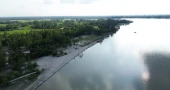
Dredging into Dharla River
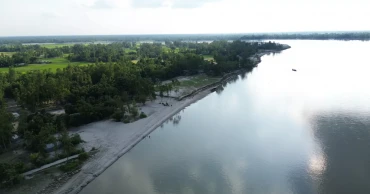
Dredging breathes new life into Dharla River, erosion fears ease for riverside residents
Once known for relentless riverbank erosion and declining navigability, the Dharla River in Kurigram is slowly regaining its vitality as an ongoing dredging project deepens the riverbed and stabilises its flow.
For decades, riverside communities lived under constant threat as the shifting course of the Dharla devoured homes and farmland.
But with dredging now underway along a key stretch of the river, the once-volatile waterway is gradually becoming calmer and more predictable, said locals.
Originating in India’s Cooch Behar district, the transboundary Dharla River enters Bangladesh through Chengrabandha in Patgram and Mogolhat in Lalmonirhat before flowing through Kurigram’s Fulbari, Sadar and Ulipur upazilas.
The river stretches about 60 kilometres and averages around 1.2 kilometres in width before eventually merging with the Brahmaputra at Buraburi in Ulipur.
Years of heavy sedimentation and frequent shifts in the river’s course triggered severe erosion along its banks, forcing many families to abandon their homes and farmlands.
To restore navigability and manage sediment buildup, the Bangladesh Inland Water Transport Authority (BIWTA) launched a project titled Improvement and Restoration of Navigability of the Old Brahmaputra, Dharla, Tulsai and Punarbhaba Rivers.
Dredging began on December 14, 2023, covering around 25 kilometres of the river from Pateshwari in Bhogdanga union of Kurigram Sadar upazila to Kaliganj in Begumganj union of Ulipur.
The project is being implemented at a cost of Tk 263.21 crore and is scheduled to run until June 30, 2027.
6 months ago