America’s iconic Road
Route 66 at 100: America’s iconic ‘Mother Road’ still draws global travelers
Although there are faster ways to travel from Chicago to Los Angeles, Route 66 remains unmatched in terms of its historical and cultural appeal.
Author John Steinbeck called it the “Mother Road,” which led poor farmers toward California during the Dust Bowl. For Native Americans, it created economic opportunities but also left lasting scars. During the era of racial segregation, it served as a relatively safe route for Black travelers, while for music lovers, it symbolized joy and freedom.
Marking nearly 100 years, Route 66 continues to attract tourists from around the world. যদিও it lost its status as a major highway long ago, its neon lights, quirky motels, traditional food, and small-town stories still draw visitors.
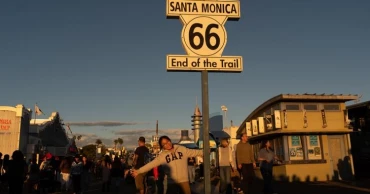
Stretching about 2,400 miles, the road runs from Chicago to Santa Monica, California. Built in 1926 by linking old trade routes and dirt roads, its aim was to connect the Midwest to the Pacific coast.
During the 1930s Dust Bowl and the Great Depression, it became a path of hope. In World War II, it was used to transport troops and equipment. In the 1940s and 195০s, it turned into a popular travel route as people set out on the open road in search of freedom.
Along the way, diners, motels, and various attractions sprang up including rattlesnake pits, trading posts, caves, and even modern architectural landmarks. Neon signs and billboards were everywhere, and food became a major highlight of the journey.
However, Route 66 also has a divided history. Development along Native American lands boosted local economies but also caused cultural harm. During the Jim Crow era, Black travelers had to rely on special guides to travel safely.
In 1985, with the rise of modern interstate highways, Route 66 was officially decommissioned, affecting many towns along the route. Later, local governments, historians, and entrepreneurs stepped in to preserve its legacy.
Today, much of Route 66 is still drivable. The route features historic sites, artworks, and various tourist attractions, with more than 250 locations listed on the National Register of Historic Places.
Experts say it is not just the road itself, but the unexpected experiences, human stories, and memories that continue to keep Route 66 alive.
6 months ago