Washington talk
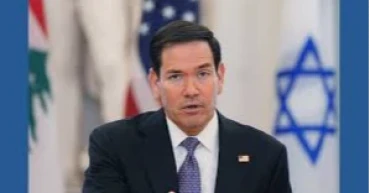
Lebanon, Israel to hold fresh direct talks in Washington on extending truce
Lebanon and Israel are set to begin a second round of rare direct talks in Washington on Thursday, focusing on extending the ongoing ceasefire between Israel and the Hezbollah group and exploring future negotiations.
The meeting will bring together Lebanese Ambassador to the United States Nada Hamadeh Moawad and her Israeli counterpart Yechiel Leiter. It follows their first direct engagement held just days ago, marking the first such contact between the two countries in nearly 30 years.
Lebanon’s President Joseph Aoun said discussions are underway to prolong the current 10-day ceasefire that started last Friday.
According to his office, Hamadeh will propose extending the truce and call for an end to Israeli demolitions of homes in areas occupied after fighting broke out on March 2.
Aoun said broader negotiations are also being prepared, aiming to fully stop Israeli attacks, secure the withdrawal of Israeli troops from Lebanon, ensure the release of Lebanese detainees held in Israel, deploy Lebanese forces along the border and begin reconstruction efforts.
Israel’s Foreign Minister Gideon Saar urged Lebanon to cooperate in disarming Hezbollah, which is backed by Iran, ahead of the Washington talks.
“We don't have any serious disagreements with Lebanon. There are a few minor border disputes that can be solved,” Saar said during remarks marking Israel’s Independence Day, where he described Lebanon as a “failed state.”
“The obstacle to peace and normalization between the countries is one: Hezbollah,” he added, saying Lebanon could achieve sovereignty and independence free from Iranian influence.
The latest conflict began when Hezbollah launched rockets into northern Israel, shortly after Israel and the United States carried out strikes on Iran. Israel responded with heavy airstrikes and a ground operation, capturing several towns and villages along the border.
Israeli forces now control a buffer zone extending up to 10 kilometers inside southern Lebanon, saying it is meant to prevent attacks on northern Israel.
Despite Hezbollah’s strong opposition, the talks are seen as a significant step between the two countries, which have no formal diplomatic ties and have technically been at war since 1948.
The Lebanese government hopes the discussions will lead to a lasting end to the conflict. While Iran has linked regional ceasefires to any future talks with Washington, Lebanon has stressed it is negotiating independently.
Wafiq Safa, a senior figure in Hezbollah’s political council, told AP that the group would not accept any outcome from the direct talks.
Since the ceasefire began last week, both sides have reported several violations.
The recent fighting has killed around 2,300 people in Lebanon, including many women and children, and forced more than 1 million people from their homes.
Last week’s meeting marked the first direct talks between Lebanon and Israel since 1993, with previous communication largely handled through mediators such as the United States or the UN peacekeeping mission in southern Lebanon.
Lebanon’s leadership, which criticised Hezbollah’s rocket attacks on March 2, had pushed for direct talks early on in hopes of preventing further escalation and avoiding a ground invasion.
2 months ago