reducing oxygen
Climate change is reducing oxygen in rivers worldwide, threatening fish: study
Climate change is causing rivers around the world to lose oxygen, putting fish and other aquatic life at risk, according to a new study.
Researchers from the Chinese Academy of Sciences analyzed oxygen levels in more than 21,000 rivers worldwide using satellite data and artificial intelligence. Their findings, published Friday in Science Advances, show that river oxygen levels have fallen by an average of 2.1 percent since 1985.
Although the decline appears small, scientists warn that if the trend continues, many rivers could lose enough oxygen by the end of this century to suffocate fish and create so-called “dead zones,” where aquatic life cannot survive.
Warmer water naturally holds less oxygen. As global temperatures rise due to human-caused climate change, rivers release more oxygen into the atmosphere, leaving less available for fish and other organisms.
The study estimates that rivers worldwide could lose another 4 percent of their oxygen by 2100 if the current pace continues. In some regions, losses could approach 5 percent, which researchers say would have serious consequences for ecosystems and people who depend on rivers.
Lead author Qi Guan said prolonged oxygen loss can trigger biodiversity decline, worsening water quality and fish deaths.
Scientists are particularly concerned that more dead zones could form, similar to those seen in the Gulf of Mexico, Chesapeake Bay and Lake Erie.
The study identified several hotspots where oxygen loss is expected to be most severe, including India, the eastern United States, the Arctic and much of South America.
India’s Ganges River was found to be losing oxygen at more than 20 times the global average earlier this century.
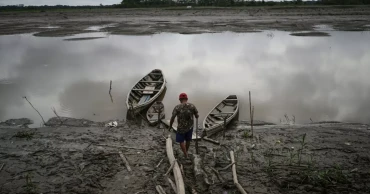
Researchers are also worried about tropical rivers such as the Amazon River, where the number of low-oxygen events has increased significantly in recent decades.
Besides rising temperatures, the study found that fertilizer runoff, urban pollution, dam construction and changes in river flow are also contributing to oxygen loss. However, nearly 63 percent of the decline is linked directly to warming water.
Experts say reducing water pollution is now more important than ever, as climate change makes rivers increasingly vulnerable to severe and long-lasting oxygen shortages.
4 months ago