Mothers
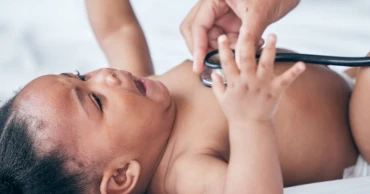
Babies with heart defects and mothers may face higher cancer risks
Babies born with heart defects, along with their mothers, may face an increased risk of cancer, according to recent research. The study suggests that maternal factors and genetic traits could play a role in this heightened risk.
Dr. June Huh, the study’s author and a professor of cardiology at Sungkyunkwan University School of Medicine in Seoul, emphasized the need to better understand how maternal and genetic factors are connected.
NASA's stranded astronauts greet their replacements at space station
Heart defects are the most prevalent type of birth defect in the U.S., affecting 12 out of every 1,000 live births in North America, as per American Heart Association statistics. These defects include structural abnormalities, such as holes in the heart’s chambers, and severe malformations, such as missing heart chambers or valves.
Advances in medical care have improved the survival rate for children with heart defects, but some studies suggest they may be more susceptible to conditions like cancer.
In the study, published in the AHA journal Circulation, researchers examined health data from over 3.5 million live births recorded in the Korean National Health Insurance Service database between 2005 and 2019. Both the babies and their mothers were monitored for an average of 10 years.
The study revealed that children with heart defects had a 66% higher risk of developing cancer within their first decade of life compared to those without defects. The risk was more than double for infants with heart defects involving blood vessels or valves, and twice as high for those with complex heart abnormalities.
Leukemia and non-Hodgkin lymphoma were the most common cancers diagnosed in both groups of children.
Mothers who gave birth to babies with heart defects also had a higher risk of cancer. They were 17% more likely to be diagnosed with cancer in the subsequent decade compared to mothers of children with healthy hearts.
The exact causes of this link are not yet fully understood, but researchers speculate that it could be related to a genetic predisposition in the mother or a mutation that contributes to both cancer and heart defects in babies.
Dr. Keila N. Lopez, a pediatric cardiologist at Texas Children's Hospital, expressed surprise at the study's findings regarding cancer risks for mothers of babies with heart defects. She believes further research is needed to explore whether environmental factors or stress-related changes could influence this connection.
"There is some evidence suggesting stress may increase cancer risk, and caring for a child with a congenital heart defect can be very stressful," Lopez said. "Research into the links between congenital heart defects and cancer will help us better understand the long-term risks for both heart defects and cancer within families."
What's Pi Day all about? Math, science, pies and more
Lopez also stressed the importance of ongoing care for children born with heart defects, including lifelong follow-up and surveillance by pediatric cardiologists and primary care physicians.
1 year ago
.jpg)
Another Mother's Day celebration robbed by pandemic
The world observed another "no hugs" Mother's Day Sunday amid the pandemic.
Mothers and their children marked the special day across Bangladesh as well although the ongoing pandemic robbed it of signs of affection.
Since the day's inception and later commercialisation in the US and the rest of the world, the day has been celebrated by spreading the love for mothers with indoor and outdoor events.
Although this year's occasion was no different from the previous one for those living with their mothers – who could offer them good wishes, hugs and gifts – while those living apart had to be happy with making phone calls and video calls.
Also, social media platforms such as Facebook, Twitter and Instagram were flooded with special messages and write-ups from everyday people to celebrities for their mothers. Many also recalled the loving memory of their mothers whom they lost recently.
Some countries like the US are now slowly lifting Covid restrictions after being able to curb Covid-19 infections and fatalities, and stepping up vaccination drive.
However, Bangladesh's largest neighbour India is grappling with the worst outbreak, setting a new daily global record of confirmed cases and deaths.
So, countries such as Nepal, Bangladesh and Pakistan are watching out for a potentially more infectious Covid-19 variant crossing the border from the country as they are also reporting a recent surge in new cases, forcing Mother's Day celebrations indoors.
The situation has separated children from their parents and the longing is accentuated by the occasion of Mother's Day.
Inspired by the idea that "mother is the person who has done more for you than anyone in the world," Anna Jarvis, an American woman activist, campaigned for the day during the first decade of 1900.
Following her mother Ann Reeves Jarvis's death in 1905, Anna Jarvis established Mother's Day as a way of honouring the sacrifices mothers make for their children.
5 years ago