EPB

From backbone to decline; Bangladesh’s jute exports plunge
Once hailed as the golden fiber and the backbone of Bangladesh’s post-independence economy, jute now contributes less than 2% to the country’s total export earnings, a sharp fall from nearly 90% in the 1970s.
Despite its vast potential, Bangladesh’s jute sector continues to struggle under poor planning, outdated technology and a lack of effective policy support.
According to Export Promotion Bureau (EPB) data, export earnings from jute and jute goods have been steadily declining in recent years.
The sector earned USD 911.51 million in FY2022–23, dropping to USD 855.23 million in FY2023–24, and further down to USD 820.16 million in FY2024–25, sparking concerns over the future of what was once the country’s flagship export industry.
Years of Neglect and Policy Contradictions
Experts blame the sector’s downturn on years of neglect and inconsistent government decisions.
“The biggest problem with jute is the absence of any sustained, effective initiative,” said agronomist and University of Western Australia PhD researcher Dr Moinul Hasan Khan. “Over the decades, we’ve seen one jute mill after another shutdown. Farmers never received fair prices for raw jute, and failure to protect both mills and growers has steadily eroded our export income.”
Read more: Rizwana for expanding jute-based industry for environmental protection
In 2018, the Awami League government revamped the National Jute Policy to revive the sector and enhance its global competitiveness. Yet, only two years later, the same government shut 26 state-owned jute mills down, rendering around 25,000 workers jobless overnight.
“How can a country dreaming of export growth through jute shut down all its state-owned mills? It’s one of the most self-contradictory policy decisions imaginable,” said Dr Khan.
Data from the Bangladesh Jute Mills Corporation (BJMC) show that between 1972 and 1981, the number of state-owned jute mills increased to 82. The sector, however, soon began to crumble under financial losses, mismanagement and outdated machinery.
“Working in a jute mill once meant stability and pride,” recalled Nurul Akand, former Supply Manager of the iconic Adamjee Jute Mills. “Mill workers used to earn more than employees in other factories, with better bonuses and allowances. But one by one, those benefits disappeared.”
He said although the government later leased out closed mills to private operators, production never returned to its former levels.
Habib Hossain, a former officer at Monowar Jute Mills, said most public mills relied on outdated, Pakistan-era machinery. “No training was provided to workers to produce modern jute products. Eventually, citing losses, the government decided to close the factories instead of modernizing them.”
Read more: Govt working on Tk 100-crore fund to revive jute bags: Adviser Bashir
Currently, Bangladesh has over 200 private jute mills, which account for nearly all jute exports. However, private mill owners say they too are facing mounting challenges.
“The biggest challenge now is sourcing enough raw jute during the season,” said Tapas Pramanik, Chairman of the Bangladesh Jute Spinners Association (BJSA). “Because of hoarders, mills often can’t get adequate raw jute, which stalls production.”
Record Harvest, Farmers Under Pressure
In southern Bangladesh, particularly Faridpur district, the country’s largest jute-producing region, the area under jute cultivation reached 86,500 hectares this year, producing raw jute worth about Tk 2,000 crore, according to the Department of Agricultural Extension (DAE).
Yet farmers say they have reaped little benefit. Many had to sell their crops early at low prices, while hoarders later resold the same jute to mills at nearly double the rate.
“We borrow money for seeds, fertilizers, and labor. When loans fall due, we’re forced to sell quickly, often at minimal profit,” said Hamiduzzaman, a farmer from Salta upazila in Faridpur.
Read more: Govt orders probe into irregularities in Tk 518cr Jute mill project
The situation is similar in the northern districts. Farmers in Gaibandha, known for high-quality jute, said they sold raw jute at Tk 2,500–2,800 per maund during harvest season, while current market prices have soared to Tk 4,500–5,000 per maund.
“Now jute prices are high, but we have none left. Hoarders control the market and profit from our losses,” said Runu Mia, a farmer from Gaibandha.
Mill owners and traders alike point to hoarding and unregulated raw jute exports as the sector’s biggest threats.
“Hoarders are exporting raw jute abroad, depriving local mills of the raw material they need,” said Shamsul Haque Howlader, a jute trader from Nalchity upazila in Jhalakathi. “The foreign exchange earned from raw jute exports is only a fraction of what we could earn by exporting value-added jute goods.”
Business leaders warn that if hoarding and unregulated raw jute exports are not curbed soon, Bangladesh’s jute industry could face an even deeper crisis.
Both farmers and mill owners are urging the government to prioritize technological modernisation, research, and incentives for the sector. They argue that lack of proper retting (soaking) facilities and limited access to processing technology continue to hurt both productivity and quality.
Read more: Nepal keen to import raw jute from Bangladesh: Nepalese Ambassador
Farmers say they still rely on primitive methods, burning wood and straw to ret jute due to water shortages, while mill owners struggle with inefficient production systems.
To revive the sector’s lost glory, industry insiders have called for increased subsidies, tax relief and technological upgradation programs for both farmers and mills.
Talking about revitalising the jute industry, Jute and Textile Adviser Sk Bashir Uddin said the government wants to move forward by learning from past mistakes in the sector.
“Many unrealistic and colourful dreams were promoted about the jute industry without considering ground realities, which prevented solutions from addressing the root problems. In the past, inefficiency, incompetence, vested interests and mismanagement pushed the jute industry towards destruction,” he said.
Noting that plastic has gradually replaced jute in many areas, the adviser stressed the need for expanding the market for jute products. “To popularise jute bags, a revolving fund has been created under the climate fund involving more than 1,600 entrepreneurs.”
Regarding the closed jute mills, the Adviser said the government is in the process of gradually reviving the factories through privatisation.
Read more: Fire damages valuables of jute sack warehouses in Gazipur
He also mentioned that the government is considering a long-term plan for the jute industry.
As Bangladesh pushes towards export diversification, analysts say reviving the jute sector, once the pride of the nation, could provide a sustainable and eco-friendly path to industrial growth, but only if the government takes consistent, forward-looking action.
9 months ago
Bangladesh’s shrimp sector eyes $5bn boost with better policies
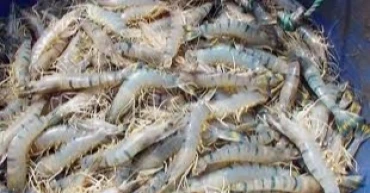
Bangladesh’s shrimp industry, once a $500 million export engine but now earning less than $300 million, could scale up to $5 billion within five years with the right policy support, industry leaders say.
An analysis of export data from the Export Promotion Bureau (EPB) shows that in the 2015-16 fiscal year, the country earned $529 million from shrimp exports. Since then, exports have dropped sharply.
While shrimp exports rose by 19 percent in the 2024-25 fiscal year, the figure is still far from the sector’s past heights.
Addressing why this promising industry has faltered and whether the current upward trend signals a strong future, Professor Asif Wares Newaz of Sher-e-Bangla Agricultural University’s Department of Fishing and Post-Harvest Technology said that the use of antibiotics against international standards, White Spot Disease in Bagda shrimp, and issues like jelly-pushing and using inappropriate antibiotics have negatively affected shrimp exports.
“Even if exporters process shrimp properly, most farmers remain outside monitoring. Without monitoring disease detection, control measures, and proper drug use, regaining lost reputation will be challenging,” he explained.
Asif added that Belgium once was a major market for Bangladeshi shrimp. That market is now dominated by India, the Netherlands, and Vietnam. India alone exports nearly $100 million worth of shrimp to this market, while Bangladesh’s share remains below $25 million.
Shrimp: Khulna’s ‘white gold’ eyes Tk 22,600cr export goal
Entrepreneurs believe Bangladesh has the potential to compete with India in shrimp exports. “India produces shrimp on 102,000 hectares of land. Bangladesh cultivates over 250,000 hectares. Yet India produces over one million metric tons of shrimp, while Bangladesh produces around 100,000 metric tons of Bagda shrimp,” said SK Kamrul Alam, vice president of the Bangladesh Frozen Food Exporters Association (BFFEA).
Kamrul noted that India’s lead is primarily due to its production of Vannamei (white leg) shrimp. Bangladesh received approval to produce Vannamei shrimp several years ago but has not yet started exports. He said leveraging Bangladesh’s shrimp farming land for Vannamei production could break records in exports.
“Once Vannamei shrimp exports start, it will be possible to earn $5 billion solely from shrimp by 2030,” Kamrul added.
Experimental Vannamei shrimp farming began in 2021 at the research center in Paikgacha, Khulna. The following year, eight companies received experimental cultivation permission, followed by approval for four more firms. Commercial production began last year.
Businessmen cite bureaucratic delays as a major reason for the slow roll-out of Vannamei farming. They said an investment of 2–2.5 million Vannamei shrimp could yield sales worth BDT 4.5 million.
“Per hectare, Bagda production is around 500 kg, while Vannamei yields 12–15 tons. Eighty percent of the world’s shrimp exports are Vannamei. Yet we are still stuck with Bagda shrimp. Bureaucratic hurdles delayed approval for almost a decade,” said Kamrul.
500 shrimp enclosures washed away after an embankment collapsed in Satkhira
Farmers, however, still face challenges obtaining permits for Vannamei shrimp farming. Farmers in Satkhira and Bagerhat said that special approval from the Department of Fisheries is required, which is a lengthy process, preventing them from taking advantage of this profitable crop.
“Vannamei shrimp farming requires compliance with multiple guidelines. While it can yield 30–50 percent profit, high initial investment deters common farmers,” said Awal Haque, a shrimp farmer from Shyamnagar, Satkhira.
Seafood manufacturers say they are ready to enter contract farming with shrimp farmers once Vannamei cultivation starts, which would reduce costs for farmers and ensure profits for companies. BFFEA Senior Vice President Tariqul Islam Zaheer emphasized that adequate preparation is essential before starting Vannamei shrimp exports.
“Initial investment exceeds BDT 2 million. If farmers are not properly trained, starting Vannamei cultivation could backfire. Training is needed for pond preparation and shrimp rearing practices,” he said.
Zaheer also highlighted old challenges in shrimp farming, noting that despite being a large sector, farmers have no insurance, and loans for shrimp farming do not enjoy special benefits. Even with low-interest loans available for other crops, fish farmers get no similar support. Subsidies in electricity for fish farming are also absent. Faced with these difficulties, many farmers are filling ponds and moving to land-based farming, causing the fading of the once-famous “white gold” shrimp legacy.
“Although exports reportedly increased, the real picture is different. The rise largely reflects higher dollar prices, not actual export volumes,” Zaheer said.
BFFEA members revealed that while around 100 companies are engaged in shrimp exports, 70 have shut down due to raw material shortages. Without government support, there are fears that the sector could collapse again.
Read more: Chinese Ambassador expresses interest in importing hilsa from Bangladesh
Experts also stress the need for further research on the genetics of Vannamei shrimp. Unlocking the genetic potential, as done with hilsa and jute, could enable Bangladesh to produce high-quality shrimp seedlings adapted to its climate, reducing reliance on harmful antibiotics.
Adviser to the Ministry of Fisheries and Livestock, Farida Akhter, told UNB that while shrimp farming has potential, Bangladesh is yet to fully benefit. The ministry is observing how countries like Vietnam and India are succeeding and will soon introduce business-friendly measures for shrimp farming.
“One cannot look only at the business side; climate and environmental factors also matter. In areas like Satkhira-Bagerhat, lands have been illegally acquired for shrimp farming, increasing salinity and reducing crop yields. Scientific decisions are needed,” she said.
Farida added that low-interest loans are being arranged for fish farmers. Steps have been taken to free farmers from predatory lending and restrictive enclosures, and special emphasis is being placed on subsidised electricity.
BFFEA has independently prepared a research report on measures to boost shrimp farming. They will soon present their findings to the government, believing that with support, Bangladesh can revolutionize shrimp exports and reclaim its “White Gold” legacy.
Read more: Shrimp: Khulna’s ‘white gold’ eyes Tk 22,600cr export goal
10 months ago
Shrimp: Khulna’s ‘white gold’ eyes Tk 22,600cr export goal
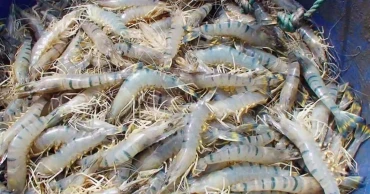
Shrimp, once known as the ‘white gold’ of Bangladesh’s southwest and a major export from Khulna, has declined due to fierce global competition and the growth of vannamei shrimp farming in neighbouring countries.
Now, after years of stagnation, the sector is showing signs of recovery as the Department of Fisheries has rolled out a series of measures aimed at restoring the industry’s lost luster, and the results are beginning to show.
According to the Export Promotion Bureau (EPB), shrimp exports from Khulna over the last five years totalled Tk 11,300 crore.
Authorities have now set an ambitious goal to double that figure within the next five years.
Department of Fisheries data reveal that the region exported 1,53,388 metric tonnes of fish between FY2020 and FY2025, generating Tk 13,456 crore in revenue. Of this, shrimp accounted for 1,02,339.629 tonnes, bringing in Tk 11,301 crore.
500 shrimp enclosures washed away after an embankment collapsed in Satkhira
In FY2024-25 alone, Khulna produced 1,23,151.17 metric tonnes of shrimp, with 19,512 tonnes exported — earning Tk 2,499 crore. The shrimp export rate for the region during the year stood at 42.19%.
To boost output, the Khulna office of the Department of Fisheries has adopted several strategic initiatives. These include advanced training in shrimp cultivation for 10,750 farmers, supplying equipment to 7,500 of them, and promoting cluster-based farming to help traditional farmers multiply their yields two- to fivefold.
Demonstrations under ‘Field Days’ are motivating farmers, while biosecurity and hygiene measures are being enforced to ensure better quality. Officials are also encouraging farmers to pursue third-party certification for improved prices in international markets.
Lipton Sardar, Divisional Fisheries Inspection and Quality Control Officer in Khulna, stressed the need for long-term, shrimp-focused projects.
“There needs to be a dedicated policy framework for shrimp, including zoning of shrimp farming areas, infrastructure development, timely supply of disease-free larvae and guaranteed access to quality feed,” he said.
He also highlighted the importance of strict testing of fry, feed, medicines and chemicals, alongside the establishment of a separate staffing structure to oversee production and quality control in shrimp-rich districts.
“Building institutional capacity to diagnose and treat shrimp diseases, while ensuring responsible practices among exporters, is essential to restore buyer confidence,” Sardar added.
Tariqul Islam Zahir, Senior Vice President of the Frozen Foods Exporters Association, said the region once had 63 shrimp processing companies, but declining production and global market demand forced 33 to close.
“Despite increased bank interest rates and rising electricity bills, some companies are still operating. The frozen shrimp sector is now beginning to recover,” he said, urging the government to provide subsidies for power and production costs.
Exporters say shrimp remains vital to the national economy. However, falling demand and prices in Europe, coupled with irregular payments from foreign buyers, have hurt earnings.
Viral outbreaks have further dented production, while the COVID-19 pandemic, the Russia-Ukraine war and domestic political turbulence compounded challenges.
Repeated shipment cancellations pushed many exporters to the brink of collapse. Yet a recent surge in exports has rekindled hope across the industry.
Stakeholders in Khulna believe that, with continued policy support and improved production standards, the ‘white gold’ can reclaim its former glory and secure an even stronger foothold in the global seafood market.
Read more: Khulna falls short of jute production target for lack of incentives
1 year ago

PM inaugurates month-long Dhaka International Trade Fair
Prime Minister Sheikh Hasina on Sunday (January 21, 2024) inaugurated the month-long Dhaka International Trade Fair (DITF) at Bangabandhu Bangladesh-China Friendship Exhibition Centre (BBCFEC) at Purbachal.
Five foreign countries -- Turkey, India, Pakistan, Singapore and Iran -- alongside local companies are taking part in the 28th edition of the fair where exhibitors will showcase products. Hong Kong, a special administrative region of China, is also participating in it.
The Prime Minister also declared Handicrafts Products as the product of the year for 2024.
State Minister for Commerce Ahsanul Islam, Commerce Secretary Tapan Kanti Ghosh President of the Federation of Bangladesh Chambers of Commerce and Industry (FBCCI) Mahbubul Alam and vice-chairman of the Export Promotion Bureau (EPB) AHM Ahsan were also present on dais.
Read: 4 Bangladeshi businesses participate in Mandalay International Trade Fair
The fair will continue from January 21 to February 20. The Ministry of Commerce and the EPB have been organising trade fairs since 1995.
The DITF usually commences on 1 January each year. However, the EPB postponed the fair due to the 12th national elections held on January 7.
The trade fair will run from 10 am to 9 pm daily and to 10 pm on weekends. The entry fee is Tk 50 for adults and Tk 25 for children. Freedom fighters and the physically challenged people need no fee.
BRTC buses have been arranged from Farmgate and Kuril Biswa Road to the fair premises for the convenience of general visitors.
Read: BGMEA, Oxfam discuss ways to collaborate with buyers to make trade fairer
A total of 330 stalls have been allotted along with 23 pavilions and 27 mini pavilions.
There will also be 15 food stalls of different categories which can accommodate up to 500 people.
There are also a prayer room, children's playground, media corner, office rooms, medical rooms, guest-rooms for officials, and stores.
The parking area can provide facilities for 500 vehicles.
Read more: Month-long trade fair in Chattogram kicks off today
2 years ago

RMG exports to EU grew 9.93% in FY 2022-23: Export Promotion Bureau
RMG exports from Bangladesh to the European Union (EU) saw 9.93 percent growth during the fiscal year 2022-23 — from $21.40 billion in FY 2021-22 to $23.52 billion in FY 2022-23, according to the Export Promotion Bureau (EPB).
Read: Bangladesh to retain duty-free access for 98% of exports, including RMG as UK introduces new scheme
However, exports to some major markets in the EU region, such as Germany and Poland, have declined significantly, said BGMEA Director Mohiuddin Rubel quoting the facts.
In FY 2022-23, apparel exports to Spain, France, Italy, Denmark and Netherland were worth US$ 3.37 billion, US$ 2.94 billion, US$ 2.27 billion, US$ 1.28 billion, and US$ 1.85 billion respectively.
Read: Elevated Expressway’s Airport-Farmgate section to open in September: Quader
Export to USA, the top apparel export destination of Bangladesh, declined by 5.51 percent to US$ 8.51 billion, from US$ 9.01 billion in FY 2021-22, in the mentioned period.
At the same time, RMG exports to the UK and Canada increased by 11.78 percent and 16.55 percent respectively.
During the mentioned year, Bangladesh’s exports to non-traditional markets has achieved significant growth of 31.38 percent.
Read: RMG exports in FY23 almost $47bn, 85% of total exports
Among the major non-traditional markets, exports to Japan, Australia and India crossed the one billion dollar milestone.
The share of non-traditional markets in total RMG export also increased by 17.82 percent in FY 2022-23 from 14.96 percent in FY 2021-22.
3 years ago

Bangladesh earned $27.22b from exports in July-Dec amid new records
Bangladesh exported goods worth $27.22 billion in the first six months till December of the current fiscal year 2022-23 amid a growing crisis of foreign exchange, according to an official report.
The country received $10.37 billion from exports only in the last two months (November and December), which is the highest ever export earnings in two months.
According to the Export Promotion Bureau (EPB), Bangladesh exported goods worth $5.37 billion in December, which is also the highest single-month export earnings.
Read More: Bangladesh's ASM Packall Export to invest $4.8m in Mongla EPZ
In November 2022, the export earnings crossed $5 billion for the first time. In December, the export earnings made another record.
The export earnings in December 2021 were $4.9 billion. The export grew by 9.33 percent year-on-year in December this year.
The readymade garment contributed the highest in the export earnings as usual.
Read More: July-November: Bangladesh’s exports to major countries show "encouraging growth"
The export earnings from the ready-made garments increased by 15.35% year-on-year in December from $4.04 billion in December 2021 to $4.67 billion in December this year.
Faruque Hassan, President of Bangladesh Garment Manufacturers and Exporters Association (BGMEA), said the apparel sector has seen good growth in December due to a unit price hike.
The contribution of the apparel sector soared due to good prices and the increase in the ratio of high-end products in recent times, he said.
Read More: Export of jute products a boon for Satkhira women
He also said that Bangladesh witnessed a rush of orders after the post-Covid-19 pandemic period due to the increased credibility of the country keeping factories operational during the pandemic.
He said now garment makers are exporting jackets at prices above $40 per piece, against previous $30.
The export earnings were $3.91 billion and $4.36 billion in September and October this year. The export was registering a 14.70 percent rise to bag $3.98 billion year-on-year in July, thanks to the good performance of the apparel sector.
Read More: Bangladesh seeks zero tariff on apparel exports to US at 6th TICFA meeting
Bangladesh bagged $4.60 billion through exports in August, registering a 36.18 percent year-on-year growth while it slipped by 6.25 percent (Y-o-Y) to $3.91 billion in September as the flow of orders for garments slowed amid higher inflation and the Russia-Ukraine war.
3 years ago

Exports decline in September: EPB
Bangladesh’s export income fell by 6.25 percent in September after a positive growth during the last 13 months, according to official figures.
The Export Promotion Bureau (EPB) released updated statistics on export earnings on Sunday.
It said exports of agricultural products, frozen food, handicrafts, bicycles, and furniture decreased in the first three months of the current fiscal year.
Bangladesh exported goods worth $3.9 billion last month (September), which is 6.25 percent less than the same period last year, the EPB data revealed.
However, overall the exports in the first three months of the current financial year 2022-23 are in a positive trend and saw a growth of 13.38 percent.
During this period, products worth $12.49 billion were exported in the first three months of current fiscal year that was worth $11.02 billion.
Read: Bangladesh to stay safe, sustainable apparel sourcing destination: BGMEA
Overall exports declined last month mainly due to a decline in apparel exports. The export of readymade garments was worth $3.16 billion in the previous month, which is 7.52 percent lower than in September last year. Exporting of both woven and knit garments declined last month.
However, there is a 13.41 percent growth in apparel exports in the first three months of the current financial year.
Exporters of readymade garments have said that inflation in the USA and EU countries has become dire due to the Russia-Ukraine war. People there have cut back on purchases other than fuel for cars and groceries.
Because of that, foreign buyers are placing less orders for two to three months. Many companies were not allowing the shipment even after the products of the purchase order were ready, they said.
BGMEA Director Md. Mohiuddin Rubel said on Sunday that BGMEA had already shared early indication of growth slowdown from September onwards, which is apparently reflected in export data for September.
The global retail market is disrupted by many challenges starting from post covid container freight and supply chain crisis, price hike of raw materials, and then anticipated recession in the global economy, which is halting retail sales and demand for clothing, he said.
Rubel said buyers were following cautious steps to make their inventory and supply chain optimum, so some of them are even holding back production and orders.
“Altogether it has been quite a fluid and vulnerable situation, where we have all the strengths and possibilities to grow given our sustainability and competitiveness strides, yet the global economic outlook makes it difficult to foresee something bright for the final quarter of the year 2022,” he added.
4 years ago
.jpg)
Bangladesh’s exports worth $4.60bn in Aug, up by 36.18%: EPB data
Despite the ongoing global crisis and inflation, Bangladesh exported over USD $4.6 billion worth of goods in August with a record 36.18 percent growth.
Bangladesh's export worth in August also exceeded the set target. The export target for the second month of the current financial year (2022-23) was $4.3 billion, Export Promotion Bureau (EPB) revealed the data today (September 4, 2022).
According to the statistics, the export earnings growth of Bangladesh has reached to 25.31 percent at the end of the first two months of the current financial year. The total export in two months was $8.59 billion, which is 4.52 percent over the target.
Also read: All export-oriented industries should get equal facilities: Salman F Rahman
According to EPB, in FY2021-22, goods worth $3.38 billion were exported in August. Compared to the last financial year, $1.22 billion more in exports have been made this year.
On the other hand, in July, the first month of this fiscal year, the export of goods worth Tk $3.98 billion was 14.72 percent more compared to the same period of the previous year.
Readymade garment products, home textiles, and other apparel products have played a significant role in exports as always. Garment exports in July and August were worth $7.11 billion. The growth is 26 percent.
Read: Exports to China can grow with extension of duty-free access to 380-plus new products
At the same time, the export of leather and leather products was worth $22.32 crore. The growth is about 28 percent. And the export of jute goods was $15.66 crore, where the growth is about 23 percent.
4 years ago

July export earnings up 15% over a year back to $3.98 billion
Bangladesh's exports in July grew by nearly 15 percent from a year back and exceeded the target, in a strong start to the new fiscal.
Amid the deficit and widening gap in the balance of payments during the last fiscal, the Export Promotion Bureau (EPB), released this information on Tuesday.
According to the EPB data, Bangladesh exported goods worth USD $3.98 billion in July of FY23, which was $3.47 billion in the same month of FY22. It shows that the export income grew by around 15 percent.
Read:Mongla Port witnesses first RMG export thanks to Padma Bridge
The government has set an export target for July of $3.92 billion and at the end of the month, the export overshot by $ 60 million.
However, compared to June, exports fell by nearly $1.0 billion in July. Last June, Bangladesh exported goods worth $4.91 billion.
According to export data for July, knit and woven garments exports amounted to around $3.37 billion, which is 16.61 per cent higher than the same period of the previous year.
Read Bangladesh sets export earnings growth target at 15% this fiscal
Garment exports worth $2.89 billion in July last year. However, in the recently concluded fiscal year 2021-22, the export growth in the garment sector was around 35 per cent.
The EPB data shows that Bangladesh exported goods and services in FY22 worth $60.08 billion, which grew by 17.80 per cent more than the fiscal target of $51 billion.
In the outgoing fiscal year, Bangladesh earned $52.08 billion from exporting goods against the target of $43.5 billion. It shows 19.73 per cent growth.
Read Leather sector can hit $12 bn in export earnings by 2030: Speakers
From the service sector, Bangladesh earned $8 billion in FY22 against the target $7.5 billion, which saw a growth 6.67 per cent than the fiscal target.
Bangladesh made a record in exporting both goods and services in FY22 thanks to increasing consumption across the globe.
The government set a 15 percent credit growth target in the current fiscal year and a $67 billion export target for the current fiscal year.
Read Export earnings cross $50 billion riding on RMG
4 years ago

In May export income falls to 9-month low at $3.83 bn: EPB
Bangladesh exported goods valued at USD $3.83 billion in May, which was the lowest in 9 months of the current fiscal year (FY), according to an Export Promotion Bureau report released on Thursday.
The fall comes amid declining remittance from Bangladeshi expatriates and the economic crisis due to Russia Ukraine war.
The EPB, however, said despite the fall of export income Bangladesh will make an export record of $40.71 billion in 11 months (July to May) in the current FY 22.
It shows 34.9 per cent growth of export income compared to FY 21.
Earlier in FY-19, Bangladesh earned $40.53 billion in a fiscal year that was the highest so far.
The officials of export promotion bureau and businesses hoped that the country will make a history exporting around $50 billion in this fiscal as the a rush for export order was evident after easing of Covid-19 pandemic in the Western world, the main destination of Bangladesh products.
But the export orders saw a downfall after the Russian invasion in the Ukraine.
READ: Jute, jute goods export income rose by 40pc
Professor Mustafijur Rahman, distinguish fellow of CPD said, though Bangladesh does not export a big volume of goods to Russia and Ukraine, the war has impacted severely on the economy of European Union countries.
Prominent Western economists have warned of another recession due to Russian invasion, if the war is prolonged.
In that case the global economy along with Bangladesh will face a new challenge, he said.
The EPB data showed that the export earnings in April 2022 increased by 51.18 per cent to $4.73 billion from $3.13 billion in the same month of 2021.
The highest earning was $4.90 billion in the December of this fiscal year. The second highest was in January of $ 4.75 billion. In March export earnings stood at $ 4.76 billion that was $ 4.29 billion in February.
Bangladesh set an export target of $51 billion for FY 22. Of which 40.71 has been achieved so far.
4 years ago