Local-Business

Taskeen Ahmed elected DCCI President for 2025
Taskeen Ahmed has been elected as the President of the Dhaka Chamber of Commerce and Industry (DCCI) for the year 2025.
The announcement was made at the 63rd Annual General Meeting, held at the DCCI auditorium on Sunday.Currently serving as the Vice Chairman of IFAD Group, a prominent business conglomerate in Bangladesh, Taskeen Ahmed brings over 25 years of experience in the country's industrial sector.Hatil Chairman receives prestigious CEO of the Year Award
Besides, Razeev H Chowdhury and Mohammad Salem Sulaiman were elected as Senior Vice President and Vice President, respectively.
The newly elected directors of DCCI are Enamul Haque Patoary, Mohammad Mostafa Kamal, Minhaj Ahmed, Mohammad Jamshar Ali, Rasheed Maimunul Islam, and Salman Bin Rashid Shah Sayem.
1 year ago

Food & Beverage Marketing Fest 4.0 concludes
The Food & Beverage Marketing Fest 4.0, organized by Brand Practitioners Bangladesh, was held on Friday at the Renaissance Dhaka Gulshan Hotel.
The event, titled “Nestlé Presents Food & Beverage Marketing Fest 4.0 Powered by Bakeman’s and Pusti, in association with Mojo,” was centered on the theme “Blending Perspectives, Bringing Delights,” which focused on discussions about development, innovation, and overcoming challenges in the food and beverage industry.
The event began with a welcome speech by Syed Iqbal Mahmud Hossain, Sales Director and Board Member of Nestlé Bangladesh. Expressing joy for being the title partner for the fourth consecutive year, he emphasized the importance of collaborative efforts among all stakeholders in the changing dynamics of the industry.
He also participated in a panel discussion, sharing strategic insights for the development of the food and beverage sector.
The fest featured four insightful sessions and four-panel discussions, where 25 speakers and moderators shared their experiences and insights while yhe event saw the participation of over 250 marketing and sales professionals, including managing directors, chief executives, chief marketing officers, sales directors, supply chain experts, market researchers, and communication professionals from the country’s leading food and beverage companies.
In an insightful session, Anup Kumar Saha, CEO of Akij Insaf, discussed “Redefining Food Marketing Operations for Economic Efficiency.”
Ruhina Halim, Partner at Quantum Consumer Solutions Limited, conducted a research session on “Can Food Brands Be the New Hope in Tough Times?”
Mohammad Mofassel Haque, Director (Marketing) at T.K. Group of Industries, discussed “Effective Strategies for Food & Beverage Market Operations Amid Evolving Challenges.”
Dipesh Nag, Managing Director of Grameen Danone Foods Limited, delivered an impactful session titled “Driving Excellence in Food & Beverage for Crisis Resilience.”Additionally, speakers participated in four diverse panel discussions, addressing the challenges, innovative solutions, and strategic initiatives of the food and beverage industry.
Key speakers included Mohammad Mahboob Arslan, CEO of Akij Essential Limited, Zafor Uddin Siddiqui, Executive Director of City Group, Naveed Yakub, CEO of Bruvana Beverage Group, and Samit Bin Salam, Founder of Kiva Han Group. The panel was moderated by Surayya Siddiqua, Director of Sales and Marketing at Grameen Danone Foods Limited.
The Founder and Managing Director of Brand Practitioners Bangladesh, Mirza Muhammad Ileush, inaugurated the event.
Reflecting on the organization’s 10-year journey, he said, “This decade-long journey is a celebration of our collective efforts. Brand Practitioners Bangladesh has always worked as a co-creator for the betterment of the business and marketing community. Organizing industry-specific marketing fests helps us move forward with more focus.”
The event concluded with a networking dinner, where attendees discussed future collaborations and professional opportunities.
1 year ago

Hatil Chairman receives prestigious CEO of the Year Award
HATIL's Chairman, Selim H. Rahman, has been recognised for pioneering sustainable growth and innovation, earning the prestigious title of ‘Chief Executive Officer/Managing Director of the Year (For Business Revenue Per Annum 100 Crore - 499 Crore) 2024.’
The award ceremony took place on Thursday (December 12) at the Grand Ballroom of Le Meridien, said a media statement.
The Bangladesh Brand Forum presented the prestigious accolade for his exceptional leadership and remarkable contributions to the business sector.
The Bangladesh C-Suite Awards aims to honor the country’s top corporate leaders for their exemplary contributions and inspiring leadership.
HATIL Chairman Selim H. Rahman achieves CIP status
The award ceremony celebrated visionary leaders who have demonstrated outstanding achievements and inspired transformative changes within their organizations and industries.
Throughout the years, HATIL has not only solidified its position as a market leader in Bangladesh but also gained international acclaim for its superior craftsmanship, sustainable practices, and innovative designs.
The company’s remarkable growth trajectory, achieving annual revenues in the range of 100-499 crore, reflects Selim H. Rahman’s ability to align vision with execution, fostering a culture of excellence and innovation.
Commenting on this achievement, the Chairman expressed his gratitude, saying, “This recognition is not just mine; it belongs to every member of the HATIL family. Our journey has been one of passion, dedication, and shared dreams. I am deeply honored to receive this award and remain committed to driving HATIL’s legacy of quality, sustainability, and customer satisfaction.”
HATIL gets first award as best furniture manufacturer category at DITF-2024
Commerce Adviser Sk. Bashir Uddin was present as the Chief Guest at the event.
The adviser applauded Selim H. Rahman for setting a remarkable example with his leadership and innovative vision.
With this milestone, HATIL continues to pave the way for sustainable growth, inspiring trust and admiration among customers, stakeholders, and industry peers.
1 year ago
Biman renews IOSA registration
Biman Bangladesh Airlines has successfully completed the IATA Operational Safety Audit (IOSA) for the 12th time, securing its IOSA registration renewal, which will remain valid until December 14, 2026.
The audit, conducted from September 1 to 5, 2024, was carried out by a five-member team from Argos Pros, a US-based IATA-accredited audit organisation.
The IOSA audit is conducted every two years to evaluate an airline's operational management and control systems. As an IATA member airline, Biman’s continued IOSA registration is essential for maintaining its membership.
Biman's capability in ground handling at ‘Third Terminal’ under scrutiny
The renewal also ensures the airline's eligibility for codeshare agreements with other carriers and, in some countries, is a prerequisite for obtaining a license for regular operations.
Dr. Shafiqur Rahman, Managing Director and CEO of Biman, highlighted the airline's commitment to safety and adherence to industry best practices, noting, "IOSA registration is a prestigious international acknowledgment of our operational safety, security, and compliance."
The audit involved a thorough assessment of Biman's policies, programs, processes, and procedures across a wide range of operational areas, including flight operations, aircraft engineering and maintenance, flight dispatch, cabin operations, cargo services, aviation security, ground operations, administration, human resources, safety and quality assurance, and IT.
New Biman CEO vows to crack down on corruption
Dr. Rahman also emphasized that the IOSA certification helps build Biman’s reputation and instill customer confidence, enabling the airline to expand its market reach and strengthen business partnerships.
1 year ago

18 banks at risk due to potential loan defaults by top 3 borrowers: Bangladesh Bank
A report from Bangladesh Bank has revealed that the financial stability of 18 banks is at risk due to potential loan defaults by their top three borrowers.
The inability of these borrowers to repay their loans could trigger a dangerous liquidity crisis for these banks, the report warns.
“If the top three borrowers default, 18 banks will fail to maintain the minimum cash reserve. These banks are already grappling with capital deficits against their risk-based assets,” the central bank said.
Number of Tk 1 crore and above account holders drops after political changeover: BB report
Analysts emphasize that a bank's financial strength is primarily measured by its capital reserves. A capital deficit not only signals poor asset quality but also categorizes these banks as financially weak.
The Bangladesh Bank report underscores that the banking sector is already burdened by defaulted loans, putting additional pressure on the system.
The report highlights that, under current conditions, the sector cannot sustain the minimum Capital to Risk (Weighted) Assets Ratio (CRAR). This international benchmark requires banks to hold a certain percentage of their assets as capital to safeguard against risks.
The report identifies two major risks affecting the sector: market-related risks and credit-related risks.
If non-performing loans increase by just 3%, the report warns that at least five banks will fall below the required CRAR of 10%. Currently, 11 out of 61 banks are already failing to meet this standard, indicating a systemic fragility.
IMF suggests upward policy rate in 2025 to restrain inflation: BB
Although the banking sector has shown some resilience to minor risks, the report highlights that interest rate increases could exacerbate the crisis. A sudden uptick in rates may significantly erode the capacity of banks to manage their capital requirements.
Under international norms, banks are required to maintain a minimum of 10% of risk-weighted assets as capital reserves. Failing to meet this standard indicates a capital deficiency, which exposes the bank to greater risks in the face of financial shocks.
1 year ago

Auto-rickshaw driver wins Tk 20 lakh after purchasing Walton fridge
Tarek Hossen, a CNG auto-rickshaw driver from Feni, has received Tk 20 lakh after purchasing a Walton refrigerator under the ‘Digital Campaign Season-21 Double Million Offer.’
Popular film actor and Walton’s Senior Executive Director, Amin Khan, officially handed over a cheque worth Tk 20 lakh to Tarek Hossen at a grand ceremony held at Wapda Field in Feni, said a media release.
The event was attended, among others, by Walton’s Deputy Chief Marketing Officer Zoheb Ahmed, Stand-up Comedian Abu Hena Rony, Journalist Fazlur Rahman Bokul, local businessmen Anwar Hossain Patwary, Jafor Uddin and Gias Uddin, Walton Plaza’s Chief Sales Executives Wahiduzzaman Tanvir and Ariful Islam.
Three-day Walton ATS expo kicks off in Dhaka
Prior to him, a motor worker named Rana Islam and a college student Rashed Ali also got Tk 20 lakh each buying Walton fridges.
From October 10 of 2024, Walton is conducting ‘Digital Campaign Season-21’ across the country with ‘Double Million’ offer. Under this offer, customers are offered Tk 20 lakh or guaranteed cash back on the purchase of Walton brand fridge, TV, washing machine or BLDC ceiling fan from any Walton Plaza, distributor showroom and online sales platform ‘e-Plaza’ across the country.
Thanking the authorities of Walton for bringing a dramatic change to his life, Tarek Hossen said, 'I will use the money received from Walton to establish a better future for myself and my family.'
Siam Ahmed appointed brand ambassador of Walton Cables
Actor Amin Khan encouraged everyone to purchase Walton's state-of-the-art technology products to enjoy the numerous benefits they offer.
He added that Walton is committed to producing and marketing electrical and electronic products, aiming to make them affordable for the general public.
1 year ago

BMPCA urges lower call rates, end to call drops
The Bangladesh Mobile Phone Consumers’ Association (BMPCA) has urged the government and the Bangladesh Telecommunication Regulatory Commission (BTRC) to revise policies to reduce the floor price for voice calls, aiming to make communication more affordable.
The BMPCA has called for the complete elimination of call drops, emphasising the importance of ensuring uninterrupted and reliable mobile phone services.
The association raised concerns over the current floor price of voice calls, which was increased from Tk 0.25 to Tk 0.45, stating it has adversely affected consumers.
According to the association, this policy has stifled competition among operators, leading to increased costs for users without a corresponding improvement in service quality.
Besides, the ceiling price for calls currently stands at Tk 2, with some operators adding VAT and other charges, further burdening customers.
The BMPCA points out that while voice calls are free in many developed countries, Bangladeshi consumers face disproportionately high charges.
Read: BMPCA place 5-point proposal for better internet
The association demands a more competitive and affordable pricing structure, even suggesting the possibility of free voice calls to match global trends.
Recommendations on Call Pricing
The BMPCA has outlined several recommendations to reform call pricing:
1. Affordable Call Rates: Reduce or eliminate the floor price to make call rates more accessible to all users.
2. Special Packages for Rural and Low-Income Groups: Introduce customised call packages for those in rural areas who heavily rely on mobile communication.
3. Per-Second Billing: Expand per-second billing systems to ensure fairer charges based on actual usage.
Demand for Policy Changes to Eliminate Call Drops
Citing a 2018 High Court ruling, the BMPCA has called on the BTRC to enforce its directive to eliminate call drops and compensate affected consumers.
While current guidelines allow a 2% call drop rate, the BMPCA believes stricter measures are necessary.
They argue that call drops not only inconvenience users but also amount to financial loss.
Suggestions to Address Call Drops
The BMPCA has proposed several measures to combat call drops:
1. Customer Compensation: Provide free minutes or data for every dropped call, ensuring consumers are compensated for disruptions.
2. Network Development: Mandate operators and associated ecosystem entities, such as tower companies, to enhance network quality, particularly in rural and remote areas.
3. Enhanced Monitoring: Require the BTRC to conduct regular quality checks on operators’ networks and promptly address consumer complaints.
4. Transparency in Reporting: Compel operators to publish monthly call drop statistics and corresponding compensation measures on the BTRC’s website.
Additional Demands
The BMPCA has also called for the following actions:
Fair Billing Systems: Ensure transparent and equitable billing mechanisms for consumers.
Reduction of Taxes: Decrease the high tax burden on mobile users.
Improved Customer Service: Strengthen customer care services and establish a one-stop service corner at the BTRC to address consumer grievances efficiently.
Consumer Frustration and Loss of Trust
The BMPCA warned that public dissatisfaction with the current state of mobile services is growing, with many consumers losing trust in the regulatory body.
They believe implementing these recommendations is essential to restoring consumer confidence and creating a more equitable telecommunications environment.
This letter, signed by Sheikh Farid, Information and Office Secretary of the BMPCA, underscores the pressing need for reforms to improve affordability and service quality in the telecom sector.
1 year ago

Gold price increases by Tk 1,878 per bhori
The Bangladesh Jewelers Association (BAJUS) has raised the price of gold by Tk 1,878 per bhori for the local market, effective from Thursday.
The decision was made by the BAJUS Standing Committee on Pricing and Price Monitoring during a meeting on Wednesday, according to a media release.
63 tolas gold seized at Ctg airport; actress, another held
Earlier, on November 27, BAJUS had raised the price of gold by Tk 1,154 per bhori.
Under the updated pricing, the cost of good quality 22-carat gold now stands at Tk 140,271 per bhori (1 bhori = 11.664 grams).
The revised rates for other categories are: 21-carat solid gold: Tk 133,902 per bhori, 18-carat gold: Tk 114,773 per bhori, and traditional gold: Tk 94,256 per bhori.
Gold price goes up again within a day
While gold prices have increased, the price of silver remains unchanged.
As per the current rates, the price of one bhori of silver by category is: 22-carat: Tk 2,577, 21-carat: Tk 2,449, 18-carat: Tk 2,111, and traditional method: Tk 1,586.
1 year ago

BRAC Bank CEO issues apology for remarks on Bangladesh Bank officials
BRAC Bank’s Managing Director and CEO, Selim R F Hussain, has formally apologized for remarks he made about officials of the Bangladesh Bank during a seminar on December 4. In a letter addressed to the central bank governor, Hussain expressed regret for his "provocative" comments, which he described as "rash and inconsiderate."
Hussain's apology followed his statements at a seminar organized by the Bangladesh Institute of Bank Management (BIBM). In his letter, he admitted that his remarks may have offended or hurt central bank officials and acknowledged his lapse in judgment.
“I sincerely apologize for some of the unintended comments I made about Bangladesh Bank officials at a seminar at BIBM,” he wrote. Reflecting on the incident, he added, “I realize that my words were rash and inconsiderate, which could hurt or offend the officials of the BB. However, I did not intend to do so. I may not have conveyed what I intended to say properly.”
Hussain further acknowledged the unprofessional nature of his comments, attributing them to an emotional outburst. “I acknowledge that my highly emotional comments as a senior banker were not professional. They were purely my comments, made in the spur of the moment, due to a failure to exercise good judgment. If my comments offended anyone or caused any misunderstanding, I deeply regret and am sorry.”
1 year ago
Number of Tk 1 crore and above account holders drops after political changeover: BB report
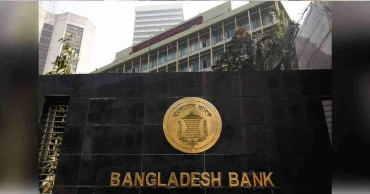
The number of Tk 1.0 crore and above account holders in the banking system has decreased following the political changeover on August 5.
According to Bangladesh Bank’s (BB) financial report for the July-September quarter, over Tk 26,000 crore was withdrawn by people, all of whom are millionaires holding accounts with over Tk 1.0 crore.
Due to these withdrawals, the bank account balances of more than 1,500 people also dropped below the Tk 1.0 crore threshold.
While the exact number of real millionaires in the country remains uncertain, an approximate estimate can be derived from the number of crore-taka accounts in banks.
These accounts have seen a significant increase since the Covid-19 pandemic, the report says.
Bangladesh Bank statistics reveal that in 1975, there were only 47 accounts holding over Tk 1.0 crore.
Read: IMF suggests upward policy rate in 2025 to restrain inflation: BB
By 2015, this figure had risen to 57,516. At the start of the Covid-19 pandemic in March 2020, the number of such accounts stood at 82,625, increasing to 117,000 as of now.
Economists attribute the recent withdrawals to panic among small depositors following the political changeover.
They suggest that weaker banks struggled to disburse large sums to millionaires, forcing many to transfer their funds to stronger banks.
Consequently, funds consolidated in single accounts in stronger banks may exceed the Tk 1.0 crore mark.
Based on these trends, the number of Tk 1.0 crore and above accounts was expected to rise.
But, contrary to expectations, the figure has decreased.
1 year ago