health-fitness

Springing forward for daylight saving time may affect health
Most Americans will "spring forward" for daylight saving time this Sunday, losing an hour of sleep a change that can leave people tired, irritable, and even impact their health.
The shift in daylight darker mornings and longer evenings can disrupt the body’s internal clock, potentially causing sleep problems for days or weeks. Research shows a slight increase in heart attacks and strokes immediately after the March time change.
Daylight saving time begins at 2 a.m. Sunday, and clocks will “fall back” on Nov. 1. Hawaii, most of Arizona, Puerto Rico, American Samoa, Guam, and the U.S. Virgin Islands do not observe the spring switch. Globally, many countries also follow daylight saving time, though start and end dates vary.
Experts recommend getting morning sunlight to help reset the circadian rhythm, which regulates sleep and alertness. The extra evening light from daylight saving time delays melatonin release, making it harder to fall asleep. Sleep deprivation can affect heart health, metabolism, stress levels, and cognitive functions.
The change also temporarily increases risks on the road, with more fatal crashes reported in the days after the shift, particularly in the morning. Heart attacks and strokes also see a small rise, possibly due to disrupted circadian rhythms combined with existing risk factors.
To adjust, sleep specialists suggest morning sunlight, shifting daily routines like meals and exercise earlier, avoiding late naps and caffeine, and reducing evening exposure to screens.
Although there have been repeated calls to end the time change including former President Donald Trump’s promise health experts recommend sticking with standard time year-round, which better matches human biology and supports more consistent sleep.
49 minutes ago

Six morning habits can improve mental health, says US psychiatrist
A structured morning routine can play a significant role in improving mental health, focus and overall well-being, according to US psychiatrist Daniel Gregory Amen.
Experts say the first few minutes of the day often influence energy levels, mood and productivity, making simple morning habits an important factor in maintaining emotional balance.
In a recent Instagram post shared on Feb 22, Dr Amen outlined several morning practices that he believes can help strengthen mental clarity and boost mood.
The psychiatrist first emphasised the importance of starting the day with a positive mindset. He suggested people begin their mornings by reminding themselves that the day ahead can be productive and meaningful, noting that mental preparation works best when combined with simple physical routines.
Dr Amen also recommended stepping outside early in the morning to get natural sunlight and taking a short walk. According to him, exposure to sunlight and light physical movement can help stimulate metabolism and activate the brain.
Hydration is another key part of his routine. He advised drinking a large glass of water in the morning, preferably with half a lemon added, saying it can help refresh the body.
Diet also plays an important role in maintaining steady energy levels throughout the day. Dr Amen said he usually starts his morning with foods rich in protein and healthy fats. As part of his own routine, he often eats eggs and later has a protein shake.
He also supports intermittent fasting, suggesting that leaving a gap of 12 to 16 hours between meals can be beneficial, meaning a later breakfast may work well for some people.
Another habit he recommends is making mindful choices during the day by regularly asking whether a particular action or food is beneficial for brain health.
According to Dr Amen, adopting small and consistent habits such as sunlight exposure, hydration, balanced nutrition and intentional decision-making can help people begin their day with greater mental clarity and stability.
1 day ago

Fitness coach shares 16-point plan to lose 14 Kg in three months
With summer around the corner, many are looking to shed extra fat and get in shape. Fitness coach Dan Go, drawing on over 20 years of experience, has shared a 16-point plan that he says could help people lose up to 14 kg (around 30 pounds) in three months through simple diet and lifestyle changes.
Key recommendations include stopping food intake three to five hours before bed to improve sleep and control hunger, and setting a fixed daily calorie intake by multiplying body weight by 12. Protein intake is also important, with a daily requirement calculated as body weight multiplied by seven.
Dan Go suggests including foods such as Greek yoghurt, lean meats, fatty fish, eggs, leafy greens, potatoes, beans, berries, and other high-fibre fruits and vegetables. Meal frequency should be limited to two to three times a day, with a structured schedule: the first meal 1–2 hours after waking, the second meal in between, and the last meal several hours before bedtime.
Hydration, strength training three times a week, walking 8,000–10,000 steps daily, and prioritising quality sleep are also highlighted. He advises following a consistent sleep routine, tracking progress through weight, waistline, workouts, and nutrition, keeping a transformation journal, and avoiding alcohol during this period.
“Losing 30 pounds by summer is achievable, but the real win is feeling energetic, confident, and healthy,” Dan Go said. He stressed that this plan offers general guidance and is not a substitute for professional medical advice.
With inputs from NDTV
1 day ago
Why many people feel tired even after enough sleep
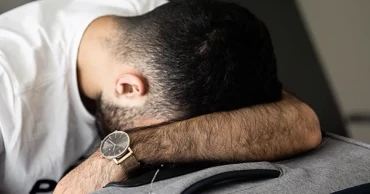
Many people feel tired all the time even after getting enough sleep, and experts say the reasons go far beyond how many hours we spend in bed.
Studies show that constant fatigue is common worldwide. A 2023 global analysis found that one in five adults experienced ongoing fatigue for up to six months without any clear medical illness. In the United States, a 2019 survey by the National Sleep Foundation found that 44 percent of adults felt sleepy several days each week. In the UK, a 2022 poll by YouGov showed that one in eight adults felt tired all the time. Women reported fatigue more often than men.
Doctors say tiredness is one of the most common complaints they hear. In the UK, the National Health Service even uses the term TATT, meaning tired all the time. However, experts say fatigue is not the same as sleepiness. Sleepiness means feeling likely to fall asleep, while fatigue is broader and can affect the body, mind and emotions.
Specialists explain that fatigue can be physical, such as muscle tiredness after exercise, but it can also be mental and emotional. This type of fatigue can cause brain fog, low motivation, poor focus and irritability. Scientists say they are only beginning to understand how fatigue affects the brain, thanks to new imaging and lab techniques.
Fatigue can be linked to serious illnesses such as cancer, depression, long Covid and multiple sclerosis. But doctors stress that many people feel tired without having a major disease. That is why doctors first try to rule out medical causes using blood tests.
Tests can help detect thyroid problems, hormone imbalances or shortages of nutrients such as iron, vitamin B12, vitamin D and magnesium. Experts say nutrient deficiencies can reduce energy because these nutrients are vital for normal body functions.
However, doctors say test results are normal in most patients who complain of fatigue. In such cases, lifestyle factors are often the cause. These include poor sleep habits, stress, diet, mental health and lack of rest due to work or family responsibilities.
Experts say sleep quality is often more important than sleep length. Interrupted or poor quality sleep can leave people feeling unrefreshed even after many hours in bed. During deep sleep, the brain clears waste products through a system known as the glymphatic system. Disrupted sleep reduces this process and may increase tiredness.
Timing of sleep also matters. Sleep that does not match the body’s natural daily rhythm is less effective. This is why shift workers often face health problems. Experts say sleeping at irregular hours can reduce REM sleep, a key stage needed for emotional balance, memory and brain health.
Stress is another major cause of fatigue. When people are stressed, the body releases cortisol, a hormone that raises heart rate and body temperature. High cortisol levels make it harder to fall asleep and stay asleep, leading to the feeling of being tired but unable to rest.
Sleep disorders are also common hidden causes. Loud snoring and breathing problems during sleep may signal sleep apnoea, a condition that disrupts sleep throughout the night. People may still sleep for seven to nine hours but wake up feeling exhausted.
Dehydration, excessive caffeine and alcohol use can also worsen fatigue. Experts say caffeine can stay in the body for hours and affect sleep, while alcohol may help people fall asleep faster but disrupts sleep later in the night.
Health experts say improving energy usually requires basic but consistent steps. These include balanced nutrition, regular sleep routines, stress management, physical activity, enough water and good sleep habits. While these changes may sound simple, doctors say they are often the hardest to maintain in daily life.
Experts stress that anyone with long lasting or worsening fatigue should seek medical advice to rule out serious conditions and get proper guidance.
With inputs from BBC
5 days ago

Parkinson’s drugs linked to gambling, sexual urges
Hundreds of patients have reported that certain medications for movement disorders, including GSK’s Ropinirole, triggered compulsive behaviours such as gambling, overspending, and hypersexuality, according to a BBC investigation.
Emma, a patient who developed Restless Legs Syndrome during pregnancy, lost tens of thousands of pounds to gambling after taking Ropinirole. She only discovered the link between her medication and compulsive behaviour after reading media reports. Many others contacted the BBC, including healthcare professionals and banking executives, describing similar experiences.
The drugs, part of a family of dopamine agonists, boost dopamine levels in the brain, which regulates movement, motivation, and reward. Experts warn that overstimulation can lead to harmful behaviours, including sex addiction, binge shopping, and criminal acts. Despite these risks, doctors in the UK are reportedly still not fully warning patients about potential side effects.
Past incidents show the severity of the issue. In 2000, GSK identified a case of paedophilia linked to Ropinirole, but warnings on sexual urges only appeared years later. Legal cases are emerging internationally, including in Belgium and France, where patients claim these medications have caused financial and personal devastation.
Health authorities and charities advise patients to discuss any concerns with their doctors. The Medicines and Healthcare products Regulatory Agency (MHRA) said that warnings took time to issue because all evidence must be reviewed, and leaflets cannot list every possible individual reaction.
With inputs from BBC
11 days ago

Limerence: When a crush turns into obsession
Limerence is a little-known psychological phenomenon where a romantic crush becomes all-consuming and obsessive, affecting mental health and daily life.
Tom Bellamy, a neuroscientist, experienced limerence while happily married, developing uncontrollable feelings for a co-worker despite having no intention of pursuing a relationship. He describes it as an “altered state of mind” that feels euphoric and addictive, with thoughts racing and energy levels heightened.
The term was coined in the 1970s by psychologist Dorothy Tennov, who identified it as an involuntary, intrusive longing for another person, called the limerent object (LO). Episodes can occur once or repeatedly in life, lasting from 18 months to three years or more. If unmanaged, limerence can become distressing, causing feelings of helplessness and loss of control.
A key feature of limerence is the “glimmer,” or the uncertainty of reciprocation, which fuels obsessive thoughts. Unlike infatuation, which typically fades within months, limerence can disrupt sleep, hygiene, work, and relationships, leaving sufferers preoccupied with every interaction and gesture from the LO.
Limerence is distinct from romantic passion, which involves emotional and physical intimacy, though both can activate the brain’s reward system. While some researchers view it as harmful and separate from love, others note it can exist within healthy relationships, as Bellamy experienced with his wife by openly communicating and avoiding contact with the co-worker.
Though not officially recognised as a psychological disorder, limerence is gaining attention. Studies suggest it may relate to attachment styles or mental health conditions like OCD, ADHD, or PTSD, but evidence is limited. Experts note that while limerence shares traits with obsessive behaviours, most people do not act harmfully toward the LO.
Effective management often involves cutting contact or receiving clear rejection, helping the limerent feelings gradually fade.
Limerence shows how powerful and consuming human attachment can be, highlighting the delicate balance between romantic longing and emotional well-being.
With inputs from BBC
19 days ago

New migraine treatments bring relief beyond painkillers
New medical research and innovative therapies are offering fresh hope to millions of people worldwide who suffer from migraine, a severe neurological condition that remains difficult to treat despite its widespread impact.
Migraine affects more than one billion people globally and is one of the leading causes of disability. Patients experience intense headaches along with symptoms such as dizziness, nausea, sensitivity to light and sound, and, in some cases, visual disturbances known as aura. The condition varies greatly from person to person, making treatment complex and often unpredictable.
In the United Kingdom, 35 year old solicitor Megan Daniels uses a small handheld neuromodulation device several times a day to reduce migraine attacks. The device sends mild electrical pulses to stimulate nerves in her neck and face. Daniels says the treatment feels calming and helps prevent attacks as well as reduce their severity.
Neurologists say this type of nerve stimulation is part of a growing range of non drug therapies aimed at disrupting pain pathways in the brain. Such devices are especially useful for patients who do not respond well to medication or cannot take certain drugs due to pregnancy or side effects.
For decades, migraine treatment relied mainly on painkillers and drugs originally developed for other conditions, including heart disease, depression and epilepsy. While these medicines help some patients, others experience little benefit or suffer strong side effects. Overuse of painkillers can also worsen migraine, turning occasional attacks into chronic ones.
A major breakthrough came with the discovery of calcitonin gene related peptide, or CGRP, a small protein involved in pain signaling in the brain. Scientists found that CGRP levels rise during migraine attacks and that blocking this peptide can reduce symptoms.
Several CGRP targeting drugs are now available and have significantly expanded treatment options. Studies show that many patients experience fewer attacks over time, and some see major improvements after long term use. However, experts caution that these drugs do not work for everyone and are not a complete cure.
Daniels, who suffers from vestibular migraine that affects balance, initially responded well to CGRP blockers. But after several months, her symptoms returned. She described being unable to walk properly, drive or leave her home during severe attacks.
Researchers are now exploring other peptides linked to migraine, including PACAP and orexins, which are involved in sleep and brain signaling. New drugs targeting these molecules are currently in clinical trials and may offer additional preventive options.
Another effective treatment has come from an unexpected source. Botox, widely used for cosmetic purposes, has been shown to reduce migraine frequency when injected around the head and neck. Doctors later discovered that Botox works by blocking the release of CGRP in sensory nerves rather than relaxing muscles alone. Many chronic migraine patients see their attacks cut by half after regular treatment.
In more severe cases, doctors are turning to mechanical therapies. These include wearable devices placed on the neck, forehead, arm or head that deliver electrical or magnetic pulses to calm overactive nerves. Experimental devices are also being developed that use gentle vibrations inside the nose to reduce inflammation linked to migraine pain.
Experts stress that no single treatment works for all patients. Instead, migraine care increasingly combines medication, nerve stimulation, lifestyle changes and psychological support. Good sleep habits, diet, exercise, stress management and therapies such as mindfulness and cognitive behavioural therapy are now considered important parts of long term care.
Neurologists say understanding migraine as a chronic brain condition rather than just a headache is key to improving quality of life. While a complete cure remains elusive, the expanding range of treatments means patients today have more options than ever before to manage this disabling condition.
With inputs from BBC
26 days ago

Protein obsession is a weight-loss myth: Nutritionist
Celebrity nutritionist Rujuta Diwekar has questioned the growing obsession with protein-rich diets, calling it a weight-loss myth that mainly benefits the health and wellness industry rather than consumers.
In an interview with The Hindu, Diwekar said there is little scientific basis for the widespread fear of protein deficiency among the urban and middle-class population. She argued that people who have access to basic necessities such as clothing, education and technology are unlikely to be protein-deficient. According to her, true protein deficiency is more common among people living below the poverty line, who lack access to adequate nutrition overall.
Why ‘exercise snacking’ could be an easy alternative to the gym
Diwekar also warned that spending heavily on protein powders, bars and supplements is often a waste of money and does not necessarily help reduce body fat. She said excessive protein intake can instead cause digestive problems, including acidity, bloating and constipation. Emphasising moderation, she noted that people who eat regular, home-cooked meals are generally not lacking in protein and should focus on maintaining a balanced diet.
She further described the protein craze as a smart marketing tactic used by diet and wellness companies. By promoting high-protein consumption, she said, the industry creates demand for additional products such as fibre supplements, prebiotics and probiotics to address the gut issues caused by protein overconsumption.
Diwekar advised people to look at the protein trend critically and prioritise a diverse, wholesome diet based on real foods, rather than relying on expensive supplements that may serve commercial interests more than long-term health. #With inputs from NDTV
1 month ago
Why ‘exercise snacking’ could be an easy alternative to the gym
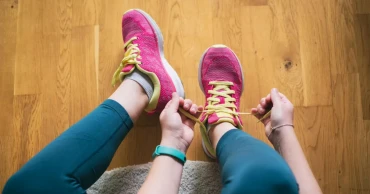
For people who dislike the gym or struggle to find time for structured workouts, short bursts of physical activity woven into daily life may offer a practical path to better health, according to researchers.
The approach, often referred to as “exercise snacking,” focuses on adding brief moments of higher-effort movement into everyday routines rather than relying on long gym sessions. Researchers say even small amounts of intense activity can deliver meaningful health benefits.
Jo Blodgett, a senior research fellow at University College London’s Institute of Sport, Exercise and Health, said high-intensity exercise that raises the heart rate and breathing is important, but it does not need to happen in a gym or during long workouts.
Instead, she promotes what researchers call “vigorous intermittent lifestyle physical activity,” or VILPA, which involves briefly increasing effort during routine tasks.
Blodgett said simple actions such as climbing a few flights of stairs before taking a lift, walking briskly for part of a commute, or speeding up for short stretches during a regular walk can help improve heart health. For people who are mostly inactive, just three or four short bursts of intense movement lasting one or two minutes a day can significantly reduce the risk of heart disease and improve life expectancy, she said.
She also warned against relying solely on occasional gym visits. Even people who exercise once or twice a week can still face health risks if they spend most of the day sitting. Blodgett described many such individuals as “active couch potatoes.”
“Thirty minutes of exercise is only a small part of the day,” she said, stressing that long periods of sitting can undermine the benefits of workouts.
To counter this, she recommends standing up regularly during work, taking short walks during breaks and holding walking meetings where possible. Research suggests breaking up sitting time every 15 to 30 minutes is better for overall health.
Blodgett also encouraged people to focus less on meeting strict exercise targets and more on reducing total time spent inactive. Some countries, including Canada and Australia, now advise that at least half of waking hours should involve some form of movement.
Everyday activities such as household chores, carrying groceries or gardening also count, she said, helping to improve strength, balance and overall fitness.
While higher-intensity exercise still provides the greatest health gains, Blodgett said the key message is simple: move more, sit less and look for small opportunities throughout the day to be active.
With inputs from BBC
1 month ago

Short bursts of daily activity can significantly boost health
Brief, high-intensity bursts of everyday activity, such as running up stairs, power walking around the house, or playing actively with children and pets, can deliver substantial health benefits and may even extend lifespan, according to recent research.
Known as vigorous intermittent lifestyle physical activity (VILPA) or “exercise snacking,” this approach is gaining attention as an accessible alternative to conventional exercise routines. Experts say it allows people to achieve health gains without spending hours at the gym or meeting the traditional 10,000-steps-a-day target.
Mark Hamer, professor of sport and exercise medicine at University College London, explained that VILPA was inspired by studies tracking people who did not perform structured exercise but still accumulated significant movement in short bursts during daily life. “Much of this movement was accrued in very short chunks,” Hamer said, noting the term “microbursts” to describe such activity.
Research involving over 25,000 participants in the UK revealed that just three to four one-minute VILPA sessions per day can lower the risk of premature death by 40% and cardiovascular-related death by nearly 50%, compared with sedentary individuals. Even four minutes of daily microbursts can offset some risks associated with a sedentary lifestyle.
Matthew Ahmadi, a postdoctoral fellow at the University of Sydney, emphasized that VILPA not only improves heart health but also helps prevent frailty in older adults. Amanda Daley, professor of behavioural medicine at Loughborough University, highlighted the approach’s accessibility, noting it requires only a few minutes multiple times a day, making it suitable for busy adults.
Simple examples of VILPA include carrying shopping bags with added effort, briskly climbing stairs, or performing household chores with more energy. Research indicates that even small daily bursts of activity can reduce cancer risk by 17–18% and stimulate beneficial physiological processes affecting metabolism and cardiovascular health.
Experts stress that VILPA aligns with a broader public health message: any movement is better than none. While global inactivity remains a concern, microbursts of activity provide a practical way for individuals to improve fitness and reduce chronic disease risk, even if they cannot commit to structured exercise sessions.
Hamer added that promoting short, frequent bursts of activity could help people gradually build towards the recommended 150 minutes of moderate-intensity exercise per week, reinforcing a culture of daily movement.
In practice, VILPA encourages simple lifestyle adjustments: taking the stairs instead of the lift, walking faster while running errands, or engaging in high-energy play with children or pets, all of which can contribute to a healthier, longer life.
With inputs from BBC
1 month ago