Food

How to Save Gas While Cooking at Home
With the rising cost of gas cylinders in Bangladesh, every bit of gas you save counts. Learning to save gas while cooking at home helps you save money and contributes to a more sustainable environment. Let’s explore effective tips to save cooking gas in rural and urban home kitchens.
Ways to Save Gas While Cooking in Home Kitchens
Cook with a Lid On
Cooking with a lid on your pots and pans is a simple yet highly effective way to conserve gas. The lid traps heat inside the cookware, allowing food to cook more quickly and evenly. Without a lid, much of the heat escapes into the air, leading to longer cooking times and increased gas consumption.
By consistently covering your pots and pans, you can significantly reduce the amount of gas required for cooking. This small adjustment saves energy and speeds up meal preparation, making your kitchen more efficient.
Read more: Fridge Smells Bad? Reasons and How to Get Rid of It
Opt for Smaller Burners
Choosing the right burner size for your cookware is crucial for efficient gas usage. When cooking with a small pot or pan, it is best to use a smaller burner. A large burner under a small pot wastes gas because the flame extends beyond the cookware, releasing heat into the air instead of focusing it on the pot.
Matching the burner size to the cookware ensures that all the heat is directed where it is needed which reduces cooking time and gas consumption. This simple habit can make a noticeable difference in your gas usage.
Batch Cooking
Batch cooking is a strategic way to save gas by preparing multiple meals at once. Instead of cooking individual meals throughout the week, you can cook larger quantities in one go, using the gas stove for a shorter overall time.
Read more: 10 Tasty Bangladeshi Recipes with Flu-fighting Nutrients
Once cooked, these meals can be stored in the refrigerator or freezer and reheated later, which requires far less gas than cooking from scratch. This approach saves gas also time and effort during busy weekdays. By planning and preparing meals in batches, you can optimise gas usage and enjoy ready-to-eat meals.
Soak Grains and Pulses
Soaking grains, pulses, and beans before cooking is an excellent method to reduce cooking time and save gas. When these ingredients are soaked, they absorb water and soften, which significantly shortens the time needed to cook them.
For instance, soaked lentils can cook in a fraction of the time compared to unsoaked ones, meaning you will use much less gas. Additionally, soaking helps to break down complex carbohydrates, making the food easier to digest. Incorporating this simple step into your cooking routine can lead to both energy savings and improved meal quality.
Read more: 10 Tasty Ilish Recipes for Bangladeshi Kitchen
Use Flat-bottomed Cookware
Flat-bottomed cookware is essential for efficient cooking and gas conservation. Pots and pans with a flat base make better contact with the stove, allowing for even heat distribution across the entire surface. This reduces cooking time and ensures that the heat is used effectively, rather than being wasted.
In contrast, warped or uneven cookware can result in uneven cooking and longer cooking times, leading to unnecessary gas consumption. Investing in good quality, flat-bottomed cookware can improve your kitchen’s efficiency, helping you save both time and gas while preparing meals.
Keep Burners Clean
Maintaining clean burners is key to ensuring your gas stove operates efficiently. Over time, food spills, grease, and debris can clog the burner openings, leading to uneven gas flow and a weaker flame. This inefficiency not only makes cooking slower but also increases gas consumption.
Read more: 10 Easy Snack Ideas to Stay Energized During Office Hours
Regularly cleaning your burners helps maintain a steady, strong flame, which allows for faster and more efficient cooking. A well-maintained stove saves gas and extends the life of your appliance. This makes it a worthwhile habit to adopt for both energy savings and kitchen safety.
Simmer, Don’t Boil Vigorously
After bringing food to a boil, reducing the heat to a simmer can significantly cut down on gas usage. Many people mistakenly believe that boiling food vigorously cooks it faster, but in reality, it only wastes gas.
Simmering, which involves cooking at a lower, steady heat, is just as effective and far more efficient. Once your food reaches the boiling point, lowering the flame and allowing it to cook gently will ensure that you are not using more gas than necessary. This method saves energy and often results in better-tasting food.
Read more: How to Safely Enjoy Street Food in Bangladesh
Turn Off the Gas Early
Turning off the gas a few minutes before your food is fully cooked is an effective way to conserve energy. The residual heat in the pot or pan continues to cook the food even after the gas is turned off, meaning you can save gas without compromising the quality of your meal.
This technique works particularly well for dishes like rice, pasta, and vegetables, which can finish cooking in the retained heat. By adopting this practice, you can gradually reduce your gas usage and make your cooking routine more efficient.
Plan Your Meals
Meal planning is an excellent strategy for optimising gas usage in the kitchen. By planning your meals, you can prepare dishes that require similar cooking times or temperatures, reducing the need to keep the stove on for extended periods.
Read more: Induction Cooker price in Bangladesh with Buying Tips
For example, you might cook multiple items simultaneously or use the residual heat from one dish to start another. Additionally, planning helps you avoid last-minute cooking, which can lead to inefficient use of gas. A well-organised meal plan saves energy as well as makes your cooking process more streamlined and stress-free.
Use the Right Size of Cookware
Using cookware that matches the size of your burner is crucial for efficient gas consumption. A small pot on a large burner results in wasted gas, as the excess flame spills out around the pot instead of heating it directly.
Conversely, using a large pot on a small burner can lead to longer cooking times, as the heat is insufficient to cook the food efficiently. To maximise gas efficiency, always choose cookware that corresponds to the size of the burner. This simple adjustment ensures that the heat is focused where it is needed, reducing gas usage and cooking time.
Read more: Deep Fryer price in Bangladesh with Buying Tips
Gas Stove Maintenance
Regular maintenance of your gas stove is essential for optimal performance and preventing gas leaks, which can be both wasteful and dangerous. Over time, burners can become clogged, and gas lines can develop leaks, leading to inefficient cooking and potential safety hazards.
By scheduling regular check-ups and cleaning for your stove, you ensure that it functions correctly and uses gas efficiently. This saves energy and extends the lifespan of your appliance. Proper maintenance is a small investment that pays off in reduced gas bills and a safer kitchen environment.
Explore Alternatives: Pressure Cooker and Other Methods
Exploring alternative cooking methods can further reduce your reliance on gas. Using a pressure cooker is one of the most efficient ways to save gas in the kitchen. Pressure cookers work by trapping steam inside, which increases the pressure and temperature, allowing food to cook faster. Whether you are preparing rice, lentils, or meat, a pressure cooker can cut cooking times by half or more. Moreover, pressure cooking retains more nutrients in the food, making it a healthier option. For frequent cooking, opting for a pressure cooker can lead to substantial gas savings.
Read more: Microwave Oven price in Bangladesh with Buying Tips
You can also use an induction cooker, electric stove, solar cooker, or microwave to complement your gas stove, especially on sunny days or when cooking smaller meals.
Using these electric cooking appliances, you can use much less gas compared to traditional cooking methods. While the initial investment might seem significant, the long-term savings on gas can make it worthwhile. Additionally, these alternatives often have faster cooking times and can be more energy-efficient for certain tasks. By diversifying your cooking methods, you can reduce your overall gas consumption, lower your utility bills, and contribute to a more sustainable lifestyle.
Final Words
Saving gas while cooking at home is not just about cutting costs but also about adopting smarter cooking practices that benefit your household and the environment. By implementing these simple tips, you can make your cooking process more efficient, reduce your gas consumption, and contribute to a greener world. Start making these changes today, and enjoy the benefits of more economical and eco-friendly cooking.
Read more: Microwave Cooking: 7 Healthy Chicken Breast Recipes
1 year ago

Delicious Pasta Recipes for Bangladeshi Home Kitchens
During this inflation, homemade food saves money. Cooking pasta at home allows you to explore various flavours and create delicious dishes that suit your taste buds. Whether you prefer something rich and cheesy or spicy and tangy, pasta is a versatile dish that can be transformed into a wide range of mouthwatering recipes. Here are some delightful pasta recipes you can easily prepare in your home kitchen.
7 Mouthwatering Homemade Pasta Recipes for Bangladeshi Kitchens
Cheesy Pasta
Ingredients
450 grams uncooked pasta, ¼ cup butter, ½ cup milk, ½ cup cubed Gouda cheese, ½ cup cubed sharp Cheddar cheese, ¼ cup grated Parmesan cheese, ¼ cup blue cheese dressing, 1 clove garlic (crushed), paprika to taste, salt and pepper to taste.
Instructions
First, boil a large pot of lightly salted water and cook the pasta for 8 to 10 minutes, until it reaches an al dente texture. Drain the pasta and place it back into the pot.
Then, add the butter, garlic, Cheddar cheese, Gouda cheese, and Parmesan cheese in the same pot. Cook and stir over low heat. Do not use too much heat to prevent the cheese become stringy. Next, gradually stir in the blue cheese dressing and milk, continuing to cook until the pasta is evenly coated. Season with paprika, salt, and pepper. This recipe is ideal for those who love a comforting and cheesy meal.
Read more: Delightful Recipes from Bangladeshi Kitchens to Savor on Rainy Days
Spicy Chicken Pasta
Ingredients
250 grams of uncooked pasta, 2 chicken breasts, 1 teaspoon garlic powder, 1 teaspoon onion powder, 1 teaspoon smoked paprika, 1/8 teaspoon cayenne pepper (to taste), salt and pepper to taste, 2 tablespoons olive oil, 2 cloves garlic minced, ½ cup chicken broth, 400 grams crushed tomatoes, ½ teaspoon crushed red pepper flakes (to taste), 1 pinch of sugar (optional, to taste), 2 cups fresh baby spinach, 1/4 cup fresh basil (chopped), and freshly grated parmesan cheese (optional, for serving).
1 year ago

10 Tasty Bangladeshi Recipes with Flu-fighting Nutrients
Monsoon in Bangladesh makes the nature greener, fruitful, and luscious. However, while commuting amid rains, many people suffer from cold and flu. To prevent such illnesses, it is essential to strengthen the immune system. Homemade delicious remedies, rich in natural ingredients, can be both comforting and effective in fighting off flu symptoms. Here are ten mouthwatering recipes, to keep your immunity strong and spirits high.
10 Homemade Savoury Flu-fighting Recipes for This Monsoon
Ginger-Lemon Honey Tea
Ingredients
4 cups water, ¾ cup brown sugar, ¼ cup grated ginger root, 3 tea bags, 2 lemons (juiced), and 3 tablespoons honey.
Instructions
First, combine water, brown sugar, and grated ginger root in a saucepan and bring to a boil. Once it reaches a boil, lower the heat to medium-low and let it simmer for 20 minutes.
Next, remove the saucepan from heat, add tea bags, and steep for 3 to 5 minutes, depending on your preferred strength. Discard the tea bags, then stir in lemon juice and honey. Finally, strain the mixture into a pitcher before serving.
Read more: How to Safely Enjoy Street Food in Bangladesh
Chicken Soup
Ingredients
1–2 tablespoons olive oil, 1 large onion (diced), 1 cup celery (chopped), 2 tablespoons fresh ginger (chopped), 4–8 garlic cloves (roughly chopped), 700 grams chicken thighs or breasts (boneless, skinless), 4 cups chicken broth or stock, 2 cups water, 1 teaspoon salt, 1/4 teaspoon white pepper, 2 bay leaves, lemon juice to taste, pinch chilli flakes, scallions, cilantro, and a drizzle of toasted sesame oil (optional, tasty)
Instructions
First, heat oil in a large pot over medium heat. Add onion, celery, garlic, and ginger, sautéing for 3-4 minutes until fragrant. Lower the heat to medium-low and continue sautéing until golden, about 3-4 more minutes.
Next, add chicken stock, water, salt, white pepper, bay leaves, and skinless chicken, bringing the mixture to a boil. Cover and simmer gently for 20 minutes, adjusting cooking time for different cuts of chicken. Test for doneness by pulling the meat apart with two forks; it should be tender and opaque.
Then, shred the chicken, return it to the pot, and simmer for 5 more minutes. Adjust the broth with lemon juice and salt, and serve over rice or noodles, garnished with scallions, cilantro, and chilli flakes.
Read more: Fridge Smells Bad? Reasons and How to Get Rid of It
Turmeric and Ginger Latte
Ingredients
1 cup non-dairy milk, 1 teaspoon organic ground turmeric powder, ½ -1 teaspoon fresh grated ginger, 1 teaspoon honey, and freshly ground pepper to taste.
Instructions
First, heat the milk in a pot, stirring until it comes to a boil. Add all the ingredients, then reduce the heat to a simmer for 2 minutes, stirring occasionally. Now, strain the mixture through a small sieve and pour it into a mug. Serve warm and enjoy this golden beverage!
Vegetable Khichuri
Ingredients
Rice: 2 cups pulao rice, 1 cup masoor dal, 2 teaspoons ginger paste, ½ teaspoon garlic paste, ½ teaspoon ground turmeric, 1 teaspoon whole cumin, 2 bay leaves, ½ cup chopped onion, 4 to 5 green chillies, 1½ teaspoon salt, ¼ cup oil, and 2 tablespoons ghee.
Vegetable: 1 cup cauliflower pieces, 1 cup potato pieces, ½ cup beans, ½ cup sliced carrots, and ½ cup sweet peas.
Read more: Urban Agriculture: Top 10 Monsoon Vegetables to Grow in Bangladesh
Instructions
First, begin by mixing all the vegetables, except the sweet peas, with a dash of salt and lightly frying them in about 2 tablespoons of oil. Set aside. Rinse the rice and dal together, then drain the water.
Next, combine them with ginger, garlic, turmeric, bay leaves, and 5 to 6 cups of warm water with salt. Cook over medium heat, stirring occasionally. Once the mixture begins to boil, add the fried vegetables, sweet peas, and green chilli. Cover and reduce the heat to low.
Then, after 3 to 4 minutes, stir again and keep covered. Once the water has evaporated, set the pot aside over very low heat. In a separate pan, heat oil and brown the onions and cumin. Mix them into the rice gently, cover, and turn off the heat after a couple of minutes. Finally, stir in the ghee before serving hot. This wholesome, easy-to-digest meal is perfect during sickness.
Read more: Delightful Recipes from Bangladeshi Kitchens to Savor on Rainy Days
Beef and Veggie Stir-Fry
Ingredients
2 tablespoons vegetable oil, 450 grams beef (cut into 2-inch strips), 1 ½ cups fresh broccoli florets, 1 red bell pepper (cut into matchsticks), 2 carrots (thinly sliced), 1 green onion (chopped), 1 teaspoon minced garlic, 2 tablespoons soy sauce, and 2 tablespoons sesame seeds (toasted).
Instructions
First, gather all the ingredients. Heat vegetable oil in a large pan over medium-high heat, and cook the beef until browned, about 3 to 4 minutes. Push the beef to one side of the pan, then add broccoli, bell pepper, carrots, green onion, and garlic to the centre.
Now, cook and stir the vegetables for 2 minutes. Combine the beef with the vegetables and season with soy sauce and sesame seeds. Continue cooking and stirring until the vegetables are tender, about 2 more minutes. Serve hot and enjoy!
Read more: Summer Drinks: Refreshing Homemade Sherbets to Beat the Heat
1 year ago

Aamshotto: 5 Mango Pulp Candy Recipes to Try at Home
Aamshotto, or mango pulp candy, is a delightful treat that captures the exclusive taste of ripe, juicy mangoes. This chewy and tangy confection is a perfect blend of sweet and tart flavours, making it a favourite among mango lovers. Homemade mango pulp candy satisfies your sweet tooth and offers a healthy snack option.
Nutrients and Health Benefits of Mango
Mangoes are rich in vitamins A, C, and E, which boost immunity, improve vision, and promote healthy skin. They are rich in dietary fibre, which helps with digestion and prevents constipation. The antioxidants in mangoes help combat free radicals, reducing the risk of chronic diseases.
Additionally, mangoes provide essential minerals like potassium, supporting heart health and maintaining healthy blood pressure levels. Including mangoes in your diet offers a delicious way to enhance health and well-being.
Read more: 6 Tasty Dragon Fruit Recipes to Try at Home
Mouthwatering Aamshotto Recipes for Home Kitchens
.
Mango Pulp Candy from Ripe Mangos (Misti Aamshotto)
Ingredients
3 cups mango puree, and 1 cup sugar.
Instructions
To make aamshotto, cook the mango puree in a pan for about 5 minutes. Once the puree is heated, add sugar and continue to cook until the mixture thickens. Prepare a tray by greasing it, then pour the thickened mango puree onto the tray.
Read more: Miyazaki: Why are the world's costliest mangoes considerably cheap in Bangladesh?
Now, allow it to dry in the sun for two days or, if you prefer, dry it under a fan for three to four days. Once fully dried, unmold the mango papad and cut it into pieces. Serve and enjoy your homemade mango pulp candy.
1 year ago

10 Tasty Ilish Recipes for Bangladeshi Kitchen
Hilsa, or Ilish, is a beloved delicacy in Bangladesh. It is renowned for its unique flavour and tender texture. Its rich taste and aroma make it an exclusive choice for traditional Bangladeshi dishes, cherished by food lovers nationwide. Let’s delve into different and exclusive Ilish recipes to savour.
Nutrients and Health Benefits of Hilsa Fish
Ilish is rich in omega-3 fatty acids, which promote heart health and reduce inflammation. It provides high-quality protein essential for muscle repair and growth. The fish is a good source of vitamins B12 and D, supporting brain function and bone health. Additionally, Ilish contains selenium, which boosts the immune system, and essential fatty acids that maintain healthy skin. Consuming Ilish can contribute to well-being and a balanced diet.
Read more: Healthy Alternatives to Cakes and Cookies: 7 Delicious and Nutritious Swaps
10 Mouthwatering Ilish Recipes to Try at Home
Ilish Paturi
Ingredients
4 pieces Ilish fish (3-cm-thick pieces), 40 grams mustard seeds (soaked 2 hours), 8 pieces green chillies, 40 grams grated coconut, 50 grams yoghurt (beaten), 24 grams salt, 2 g sugar, 2 g turmeric powder, and 20 g mustard oil.
1 year ago

Cinnabon in Dhaka: A taste of sweet indulgence
Have you ever had a bite of something that instantly transports you back to a fond memory? For many, that’s Cinnabon. Known for its irresistible sweetness, Cinnabon has now brought its signature flavors to Bangladesh, delighting all with a sweet tooth.
Having first experienced Cinnabon’s delectable treats abroad, I couldn’t resist the urge to try them here in Dhaka. To my delight, the taste was just as I remembered – a perfect blend of indulgence and comfort. Despite some saying it’s too sweet, I found Cinnabon’s classic cinnamon rolls to be exactly what my taste buds craved. The soft, doughy texture with layers of cinnamon and icing was a nostalgic treat.
10 Easy Snack Ideas to Stay Energized During Office Hours
“It’s like a warm hug on a plate,” I thought, especially when paired with a cup of their rich, flavorful coffee.
But Cinnabon isn’t just about their legendary cinnamon rolls. They offer a range of Chillattas, refreshing drinks that come in flavors like Mochalatta, Strawberry Chillatta, and Mango Chillatta. On a hot day, the Mochalatta, with its blend of coffee and chocolate, was my go-to choice, perfectly complementing the sweetness of their rolls.
Walking into Cinnabon in Dhaka felt like revisiting a beloved spot from my travels. The aroma of freshly baked goods, the friendly service, and the joy of treating yourself – it’s all here. Whether you’re a first-timer or someone who, like me, has savored Cinnabon in different corners of the world, each visit is a delightful reminder of why some flavors never fade.
If you haven’t experienced the magic of Cinnabon in Bangladesh yet, I highly recommend you do. Indulge in a cinnamon roll or sip on a Chillatta – you might just find yourself pleasantly surprised, just like I was.
How to Safely Enjoy Street Food in Bangladesh
Cinnabon, the ultimate destination for gooey, indulgent treats, made its grand debut in Bangladesh on April 17, marking a milestone after wowing customers in over 50 countries worldwide. The opening event was graced by US Ambassador to Bangladesh Peter Haas and renowned actor Mumtaheena Chowdhury Toya.
Since 1985, Cinnabon has been delighting taste buds around the world with its fresh cinnamon rolls and irresistible baked goods. Now, Bangladeshis can join the global community of Cinnabon lovers and enjoy a taste of this sweet nostalgia right at home.
1 year ago
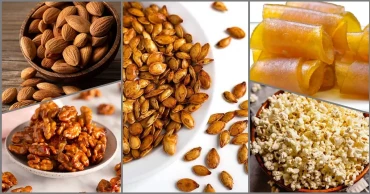
10 Easy Snack Ideas to Stay Energized During Office Hours
During busy office hours, a healthy snack can pacify those inevitable hunger pangs between meals. Finding nutritious, dry, and easy-to-store snacks keeps office employees energized and focused. Here are ten simple and healthy snack ideas that can be easily incorporated into a busy workday.
10 Healthy Office Snack Ideas to Keep You Productive
Almonds: The Powerhouse Nut
Almonds are a perfect snack for busy employees during office hours. They offer numerous health benefits and are packed with healthy fats, fiber, protein, magnesium, and vitamin E.
Almonds help lower cholesterol levels, reduce hunger, and manage weight. Their high protein content supports muscle repair, while magnesium boosts energy levels and promotes relaxation. The antioxidants in almonds also protect against oxidative stress, making them a nutritious and convenient option to keep you energized and focused throughout the workday.
Read more: Health Benefits of Different Types of Nuts
Cashews: Nutritious and Convenient
Cashews are a convenient and nutritious snack for everyone. Rich in healthy fats, protein, magnesium, and vitamins, cashews support heart health, boost energy, and improve bone strength. Their high magnesium content helps reduce fatigue and muscle cramps, while the protein aids in muscle repair and keeps you feeling full longer.
Cashews also contain antioxidants that protect against cellular damage and promote overall well-being. Easy to keep and enjoy, cashews are a perfect mid-morning snack during office hours.
Walnuts: Brain-Boosting Goodness
Walnuts are an excellent snack choice for busy employees needing a nutritious boost. Rich in omega-3 fatty acids, antioxidants, and vitamin E, walnuts support brain health, reduce inflammation, and improve heart health. Their high fiber content aids digestion and keeps you feeling full longer, while the protein provides sustained energy throughout the day.
Walnuts also contain essential minerals like magnesium and phosphorus, which help maintain bone health and muscle function. All these benefits make walnuts a convenient and healthy snack option for staying focused at the office.
Read more: Top 10 Healthy Seeds to Eat
Roasted Pumpkin Seeds: Crunchy and Nutritious
Roasted pumpkin seeds are a nutritious and convenient snack for busy employees. They are packed with antioxidants, magnesium, zinc, and omega-3 fatty acids, offering numerous health benefits.
These seeds support heart health, regulate blood sugar levels, and boost the immune system. Their magnesium content aids muscle function and relaxation, while zinc enhances cognitive performance and immunity. Roasted pumpkin seeds also provide a satisfying crunch and are easy to store, making them an ideal mid-morning snack.
Dried Mangoes: Sweet and Healthy
Dried mangoes are a tasty and nutritious snack during office hours. Rich in vitamins A and C, fiber, and antioxidants, dried mangoes support eye health, boost the immune system, and improve skin health. The natural sugars in dried mangoes provide a quick energy boost, while the fiber aids digestion and keeps you feeling full longer.
Additionally, the antioxidants help protect cells from damage. Easy to store and carry, dried mangoes are a convenient and healthy option to keep you energized.
Read more: How to Make Baklava at Home: Versatile Recipes from Different Cultures
1 year ago

6 Tasty Dragon Fruit Recipes to Try at Home
Dragon fruit is not just delicious but also loaded with nutrients. This vibrant, refreshing fruit is perfect for summer. Besides enjoying it raw, you can also try some easy Dragon Fruit recipes.
Nutrients and Health Benefits of Dragon Fruit
Dragon fruit, also known as pitaya, is a nutritional powerhouse despite its low calories. It is rich in vitamin C, which boosts the immune system. It also contains vitamin B which aids in energy production. High in fibre, dragon fruit supports healthy digestion and helps maintain a healthy weight.
Dragon fruit is also packed with antioxidants like betalains, which combat free radicals and reduce inflammation. Some research suggests these antioxidants have anti-cancer properties.
Additionally, this fruit provides essential minerals such as iron, magnesium, and calcium, contributing to bone health and muscle function. Including dragon fruit in your diet can enhance the overall well-being of health.
Read more: Tasty Beef and Mutton Steak Recipes for Bangladeshi Kitchens
Mouthwatering Dragon Fruit Recipes for Bangladeshi Kitchen
Dragon Fruit Smoothie
Ingredients
1 cup dragon fruit (cubed and frozen), 1 cup mango (cubed and frozen), 2 bananas (cut into quarters and frozen), 3/4 cup almond or coconut milk, 2 tablespoons lime juice, and 2-4 ice cubes.
Instructions
First, add frozen fruit, milk, and lime juice to a blender. Then, blend it until the mixture is very smooth. If needed, gradually add more almond milk to achieve your desired consistency. Serve chilled, and enjoy your refreshing smoothie.
Read more: How to Safely Enjoy Street Food in Bangladesh
Dragon Fruit Salad with Ice-cream
Ingredients
1 dragon fruit, 1 banana, 2 mangoes, 4 to 5 sapota, 10 to 12 strawberries, 2 to 3 tablespoons chopped nuts (cashews, almonds and pistachios), 6 scoops vanilla ice cream or as required, 1 to 2 tablespoons chopped nuts (for garnish), and 5 to 6 strawberry slices (for garnish).
Instructions
First, rinse, peel, and chop the dragon fruits. Then place the fruit slices in a bowl. Now, add chopped nuts like cashews, almonds, and pistachios to the dragon fruits. Stir the mixture properly to combine. Following this put the fruit salad into ice cream cups.
After that, top each cup with vanilla ice cream. Garnish with slices of strawberries, berries, or other fruits. Sprinkle additional chopped nuts on top. Serve immediately for a fresh and healthy treat.
Read more: Fridge Smells Bad? Reasons and How to Get Rid of It
Dragon Fruit Dessert (Panna Cotta)
Ingredients
2 cups coconut milk (use full fat), 5 ½ tablespoons maple syrup (divided), 2 teaspoons agar agar, 1 cup chopped dragon fruit, 1/2 cup water divided, and 1 ½ teaspoon cornstarch.
Instructions
First, put a pan on the cooker with medium heat. Now, add coconut milk, agar agar, and 3 tablespoons of maple syrup to the pan. Stir until combined and heated. However, do not boil the mix. Reduce the cooker’s heat to a low to medium level. Simmer for 5-7 minutes, stirring often, until the agar agar dissolves.
Next, strain the mixture for a smooth panna cotta and pour it into serving cups. Cool to room temperature, then refrigerate for 3-4 hours until firm.
At this stage, prepare the dragon fruit sauce. First, heat chopped dragon fruit with 2 ½ tablespoons of maple syrup and 1/4 cup water. Then, boil the mixture until it softens, and gets mashed. Mix the remaining 1/4 cup water with cornstarch, add to the pan, and simmer for 2 minutes until thickened. Now, strain the dragon fruit sauce and leave it to chill.
Pour the sauce over the panna cotta before serving.
Read more: Urban Agriculture: Top 10 Monsoon Vegetables to Grow in Bangladesh
Dragon Fruit Pudding
Ingredients
3 cups water, 1 cup dragon fruit, 1 cup evaporated milk, 3/4 cup sugar, 3/4 cup cornstarch, and 1 teaspoon vanilla extract
Instructions
First, scoop out the dragon fruit flesh with a spoon and set it aside. Now, place a pot over the cooker at medium heat. Combine evaporated milk and water. Then, add cornstarch and sugar. Stir the mix until dissolved.
Next, add vanilla extract and dragon fruit to the combination. After that, continue to cook and stir until the mixture thickens. Turn off the heat and transfer the dragon fruit pudding to a container. Let it cool before serving.
Read more: Summer Drinks: Refreshing Homemade Sherbets to Beat the Heat
Dragon Fruit Cake
Ingredients
1 cup flour, 1 teaspoon baking powder, 3/4 cup sugar, 2 eggs, 1/2 cup oil, 1 teaspoon vanilla, 1/2 dragon fruit (cut into cubes), ½ tangerine (thinly sliced), and 2 tablespoons raw sugar.
Instructions
First, preheat the oven to 350°F. Take a large bowl and combine the flour with baking powder. Add sugar, eggs, vanilla, and oil to the mix. Now, stir the ingredients until well combined and thick. Take an 8/9-inch cake pan and pour the batter. Use a spoon to smooth the top. Then, put fruit slices on top of the batter, and press them slightly into the mixture. Sprinkle it with raw sugar.
Bake the combination in the microwave for about 50 minutes, or until a cake tester inserted in the centre comes out clean. Let it cool before serving.
Read more: Delightful Recipes from Bangladeshi Kitchens to Savor on Rainy Days
Dragon Fruit Ice Cream
Ingredients
2 whole dragon fruit, 3 cups milk, 450ml condensed milk, juice from ½ lemon, a pinch of salt, and 2 cups coconut milk.
Instructions
First, remove the skin from the dragon fruit and purée it in a food processor. Next, add milk, condensed milk, lemon juice, and salt to the purée. Blend properly. After that, lightly whisk the coconut milk and gently add it to the purée mixture.
Then, pour the mixture into a shallow, lidded container and freeze until partially set. Whisk the partially set mixture until smooth, then return it to the freezer until fully set. This step ensures the texture remains soft and creamy while setting. Enjoy these icy treats on a hot day.
Closing Lines
Dragon fruit is a versatile summer fruit that can be enjoyed in many ways. From smoothies to desserts, these recipes will help you stay cool and enjoy the benefits of this tropical superfruit. To enjoy the refreshing, nutrient-dense treats of dragon fruit this summer, get creative, and incorporate your favourite local ingredients!
Read more: Miyazaki: Why are the world's costliest mangoes considerably cheap in Bangladesh?
1 year ago

Miyazaki: Why are the world's costliest mangoes considerably cheap in Bangladesh?
When it comes to mouth-watering fruits like mangoes, people usually don't bother much about the price. The opportunity to taste this fruit comes only at a certain time of the year. However, this is not the case with Miyazaki mangoes. Their vibrant color and unparalleled farming process command staggering prices in the global market, making them a symbol of luxury. Yet, in a surprising twist, this coveted fruit is being sold at significantly lower prices in Bangladesh. What hidden factors are at play? Let’s dive deeper to unveil the intriguing facts.
The Origin of the Miyazaki Mango
First cultivated in Japan during the period from 1868 to 1912, Miyazaki mangoes gained international recognition in the 1970s. These prized fruits originate from Miyazaki, a city in Japan's Kyushu state, hence their name. Locally, they are known as ‘Taiyo-no-Tomago,’ meaning ‘Egg of the Sun.’ Their striking dark red hue has earned them the ‘Red Mango’ moniker internationally.
Production of Miyazaki Mango in Bangladesh
While these foreign mangoes are cultivated across the country, the Chattogram Hill Tracts stand out in terms of production. Along with varieties like Rangui and Amrapali, these exotic mangoes thrive particularly well in this region. The hilly areas’ climate, with hot daytime temperatures and significantly cooler night temperatures, accelerates the sweetening process of these mangoes, making them mature faster than in the lowlands.
One remarkable example is the 35-acre mango garden established in 2016 in the Dhumnighat area of Mahalchhari upazila in Khagrachari. This garden boasts around 120 “Egg of the Sun” (another name for Miyazaki) mango trees, each aged between 3 to 4 years, and each tree has yielded 30 to 40 mangoes so far.
Read more: 50MT mangoes of Satkhira exported to Europe
In another instance, a mango orchard in the Hazra area of Natore produced approximately 800 kilograms of Miyazaki mangoes in 2023. The orchard owner hopes to produce at least 2,000 kilograms this year.
Interestingly, at the Directorate of Agricultural Extension's fruit garden in Dhaka's Asad Gate, several mango trees recently failed to bear fruit, except for a few small trees. These exceptional trees were none other than the Japanese Miyazaki mangoes.
Price Comparison of Miyazaki Mangoes in Bangladesh and the Global Market
At the inception of its cultivation, Miyazaki mangoes were initially sold for up to BDT 5,000 per kilogram. However, by 2023, prices plummeted, with many farmers selling them for as little as BDT 2,000 per kilogram, and some even less. In 2021, these mangoes produced in Khagrachari were sold for BDT 300 to 500 per kilogram. Prices often doubled in the retail market, reaching BDT 800 to 1,000.
Read more: Tasty Beef and Mutton Steak Recipes for Bangladeshi Kitchens
The countrywide average price of one piece of this fruit was then BDT 400 to 500 per kilogram. In 2023, these Japanese mangoes were priced at BDT 200 to 250 per kilogram. This year, a mango orchard in North Betka Mamudatpur village of Munshiganj produced 30 kilograms of Miyazaki mangoes from four trees, selling at a minimum of BDT 700 per kilogram.
1 year ago

Tasty Beef and Mutton Steak Recipes for Bangladeshi Kitchens
Cooking steak at home can be a delightful experience. Whether using beef or mutton, with the right techniques and spices, you can create delicious and succulent steaks that will impress your family and friends. Here are some fantastic steak recipes to try at Bangladeshi home kitchens.
Mouth-watering Beef and Mutton Steak Recipes to Try at Home
Classic Bangladeshi Beef Steak
Ingredients
500 grams beef steak, 4-5 garlic cloves (minced), 1 tablespoon mustard paste, 2 tablespoons olive oil, 3 tablespoons oyster sauce, salt to taste, 1½ teaspoons black pepper powder, and 1 teaspoon rosemary
Instructions
First, take a bowl, then mix garlic, oyster sauce, olive oil, mustard, black pepper, and salt. Now, rub this mixture onto beef steak pieces, ensuring thorough coating, and marinate in the refrigerator for 2-3 hours.
Next, heat a grill pan with cooking spray and cook the steak evenly on both sides to your desired doneness. Finally, serve the steak with mashed potatoes, mushroom sauce, and sautéed vegetables.
Read more: Freezer Buying Guide and Price Ranges in Bangladesh in 2024
Spicy Mutton Steak
Ingredients
2 mutton steaks, 2 tablespoons cooking oil, ¼ cup water, fresh coriander leaves chopped (for garnish)
For the marinade:
2 teaspoons garlic powder, 2½ teaspoons paprika, 2 teaspoons cumin powder, 2 teaspoons chilli powder, 2½ tablespoons lime juice, 2 tablespoons olive oil, 1 tablespoon salt, ½ tablespoon black pepper, and 2 teaspoons brown sugar.
Instructions
First, mix the marinade ingredients into a paste and rub it over the mutton steaks. Marinate it for 4 hours or overnight. Next, heat the oil in a pan over high heat and sear the steaks for 3-4 minutes on each side, flipping once, until a golden crust forms.
Read more: Urban Agriculture: Top 10 Monsoon Vegetables to Grow in Bangladesh
Then, reduce heat to medium, add the remaining marinade, and cook the steaks in their juices for 4-5 minutes. After that, remove the steaks and let them rest for 5 minutes. Deglaze the pan with water, let it bubble until slightly reduced, then add fresh coriander and pour over the steaks.
1 year ago