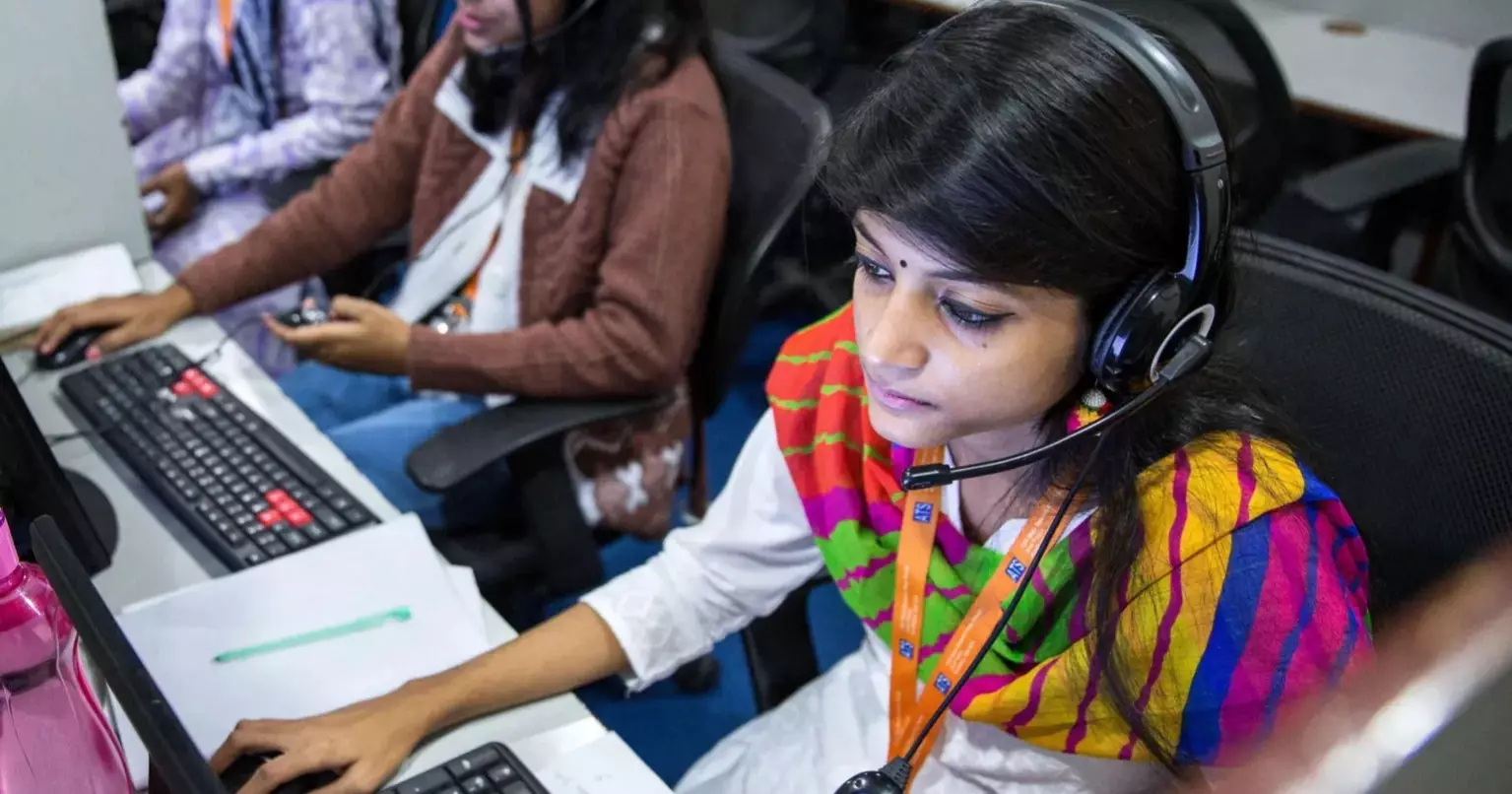
India’s massive outsourcing industry, valued at around $300 billion, is facing growing uncertainty as artificial intelligence (AI) threatens to reshape its traditional business model.
In recent weeks, Indian technology stocks have fallen sharply, with the Nifty IT index dropping about 20% this year and wiping out billions of dollars in investor wealth. The decline began even before fresh geopolitical tensions, largely driven by concerns that AI could disrupt the labour-intensive services that underpin the sector.
For over three decades, India’s IT industry has created millions of white-collar jobs and helped build a strong middle class, boosting demand for housing, cars and lifestyle services in cities like Bengaluru, Hyderabad and Gurugram.
However, fears intensified after new AI tools—such as one launched by Anthropic—claimed they could automate key tasks in legal, compliance and data management. Industry leaders have since warned that AI could significantly reduce demand for entry-level jobs, with some predicting up to half of such roles may disappear.
Despite the concerns, major Indian IT firms say the risks are being overstated. They argue that while AI will change how services are delivered, it will also open new opportunities, especially in consulting and system modernisation.
Analysts say the industry is likely to shift away from routine maintenance work toward higher-value advisory roles, which may reduce steady revenue streams. Some forecasts suggest slower growth in the coming years, with potential stagnation after 2031 in a worst-case scenario.
Others remain optimistic. Firms like JPMorgan and HSBC believe IT companies will play a key role in helping businesses adopt AI, rather than being replaced by it. Infosys also says AI could create more jobs than it eliminates, particularly in emerging fields like AI engineering.
Still, the transition may be difficult. AI-related revenue remains relatively small, and overall industry growth is expected to stay modest. Hiring is also likely to slow.
Additional challenges include rising US visa costs and ongoing global uncertainties, which could increase operating expenses for Indian firms.
Experts say while AI will bring long-term benefits, the sector is likely to face short-term disruptions as it adapts to a rapidly changing technological landscape.
With inputs from BBC