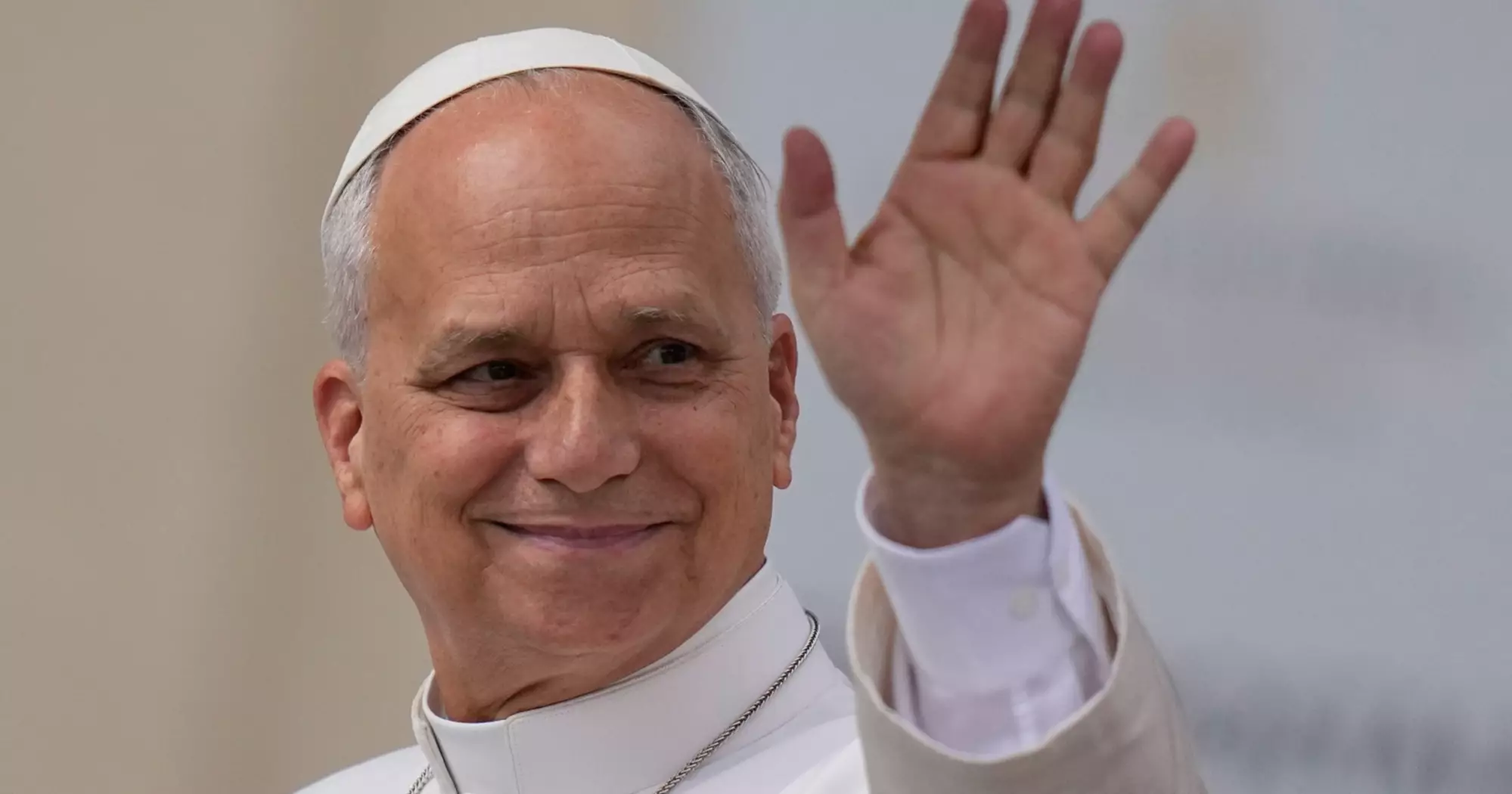
The Vatican is preparing to release the first encyclical of Pope Leo XIV, a major teaching document expected to call for an ethical approach to artificial intelligence (AI) that puts human dignity, social relationships and peace at the center.
Vatican officials said the pope signed the document on Friday, exactly 135 years after Pope Leo XIII issued his landmark encyclical Rerum Novarum. That document addressed workers’ rights, the limits of capitalism and the responsibilities of governments and employers during the Industrial Revolution.
The Vatican believes AI raises similar questions today about labor, justice and the future of society.
Experts say the Catholic Church is well placed to contribute to the debate because of its long tradition of reflecting on what it means to be human.
Shortly after becoming pope in 2025, Leo told cardinals that the Church should use its social teachings to help address the challenges AI poses to human dignity, justice and work.
The pope is expected to return to the issue on Sunday during the Vatican’s World Communications Day, which this year focuses on the human consequences of the global race to develop AI.
In a message released earlier, Leo warned that people must protect real human relationships as chatbots become more common. He also expressed concern over AI-generated music, videos and deepfakes that can spread false information.
The encyclical, likely to be released in the coming weeks, could put the Vatican at odds with the administration of US President Donald Trump, which has strongly supported rapid AI development and opposed many international efforts to regulate the technology.
Since the launch of ChatGPT, AI has advanced rapidly, bringing both promising applications and serious concerns. Experts have warned about risks ranging from biased hiring systems to autonomous weapons.
The Vatican has been active in the debate for years. In 2020, it launched the Rome Call for AI Ethics, an initiative supported by companies such as Microsoft, IBM and Cisco Systems. The initiative promotes principles including accountability, fairness, privacy and inclusion.
The late Pope Francis also called for an international treaty to regulate AI and urged governments to ensure that decisions involving weapons remain under human control. He advocated a ban on fully autonomous lethal weapons, often referred to as “killer robots.”
Pope Leo has continued that message. While acknowledging AI’s contributions to medicine and scientific research, he has warned that the technology could undermine humanity’s connection to truth and beauty.
The pope has also raised concerns about AI’s role in modern conflicts, including in Ukraine and the Middle East, where increasingly sophisticated drones and automated systems are being used.
Speaking recently at Sapienza University of Rome, Leo said the wars in Ukraine, Gaza, Lebanon and Iran show how new technologies are making warfare more destructive and less humane.