Health-&-Fitness

Balance on one leg: A small exercise with huge benefits for body and brain
Balancing on a single leg may seem simple, but it can be surprisingly difficult as we age. Practicing this exercise, however, can improve strength, enhance memory, and support brain health.
While flamingos might do it naturally, most people spend little time poised on one leg. Balance is usually effortless in childhood, with abilities maturing around ages nine to 10, peaking in the late 30s, and gradually declining after that. For those over 50, being able to balance on one leg for more than a few seconds can reveal much about overall health and aging.
There are several reasons to practice standing on one leg. It can reduce fall risk, build leg and hip strength, and improve memory. "If you find that it's not easy, it's time to start training your balance," says Tracy Espiritu McKay, a rehabilitation medicine specialist for the American Academy of Physical Medicine and Rehabilitation.
Read More: 5 simple lifestyle changes that may help slow biological ageing: Experts
Why balance matters
Doctors often use single-leg balance tests as indicators of health because they are linked to age-related muscle loss, or sarcopenia. Muscle mass declines by up to 8% per decade after age 30, and research suggests that by their 80s, up to half of older adults may experience clinical sarcopenia. This affects blood sugar control, immunity, and muscle strength, all of which are reflected in balance ability. Regular one-legged exercises help maintain leg and hip muscles, reducing vulnerability to sarcopenia later in life.
"The ability to stand on one leg diminishes [with age]," says Kenton Kaufman, director of the motion analysis laboratory at Mayo Clinic in Rochester, Minnesota. "People are over 50 or 60 when they start to experience it and then it increases quite a bit with each decade of life after that."
Balance is not only a physical measure but also a sign of brain health. Standing on one leg requires the brain to integrate information from the eyes, the vestibular system in the inner ear, and the somatosensory system, which senses body position and ground contact. "All of these systems degrade with age at different rates," says Kaufman.
Read More: 80% of strokes preventable through lifestyle modification: Experts
Espiritu McKay adds that balance ability can reveal the state of key brain regions, including those involved in reaction speed, daily task performance, and sensory integration. Brain atrophy occurs naturally with age, but rapid decline can limit independence and increase fall risk. CDC data shows that unintentional falls are the leading cause of injury among Americans over 65. Practicing single-leg exercises can reduce this risk.
"These single leg training exercises really improve the balance control and actually change how the brain is structured," says Espiritu McKay.
According to Kaufman, falls often result from slower reaction times rather than a lack of strength. "Imagine you're walking along, and you trip over a crack in the sidewalk. Most often, whether you fall or not isn't a strength issue, but it's whether you can move your leg fast enough, and get it to where it needs to be, to arrest your fall."
Single-leg balance can even reflect short-term mortality risk. A 2022 study found people unable to maintain a single-leg stance for 10 seconds in mid-later life were 84% more likely to die within seven years. Another study of 2,760 adults in their 50s showed that the single-leg stance test was the most informative predictor of disease risk: participants who could balance for two seconds or less were three times more likely to die over 13 years than those who could maintain 10 seconds or more.
"In Alzheimer's patients, researchers are actually finding that if they're unable to stand on one leg for five seconds, it usually predicts a faster cognitive decline," says Espiritu McKay.
Training your balance
Read More: Homeowners embrace no-mow lifestyle year-round
Fortunately, research shows age-related decline can be slowed by practising single-leg exercises. These workouts strengthen the core, hips, and legs, while also benefiting brain health. "Our brains aren't fixed," says Espiritu McKay. "They're pretty malleable. These single leg training exercises really improve the balance control and actually change how the brain is structured, especially in regions that are involved in sensory motor integration and your spatial awareness."
Balancing on one leg also activates the prefrontal cortex, improving cognitive performance during tasks and boosting working memory in healthy adults.
Espiritu McKay recommends people over 65 practise single-leg exercises at least three times a week to enhance mobility and reduce fall risk, ideally incorporating them into daily routines. Starting earlier may offer greater benefits. Claudio Gil Araújo, an exercise medicine researcher at Clinimex in Rio de Janeiro, suggests those over 50 self-assess by standing on one leg for 10 seconds. "This can be easily incorporated into your daily activities," he says, suggesting exercises barefoot and with shoes.
Daily activities like brushing teeth or standing at the sink can be used to train balance for just 10 minutes a day. Smooth hip strengthening exercises with gentle resistance, known as isokinetic exercise, can also improve one-legged stability.
Source: BBC
1 month ago

Night owls face higher heart risk but healthy habits can help
People who stay active late at night, often called night owls, may have a higher risk of heart problems, a new study suggests. Researchers say the mismatch between the body’s internal clock and daily routines can affect heart health, but lifestyle changes can reduce the risk.
The study, led by Sina Kianersi of Brigham and Women’s Hospital and Harvard Medical School, tracked over 300,000 adults in the UK Biobank for 14 years. About 8% identified as night owls, while a quarter were early birds and the rest had typical sleep patterns. Night owls were found to have a 16% higher risk of a first heart attack or stroke compared to the average population. Women night owls showed especially poorer cardiovascular health.
Experts link the risk to behaviors like smoking, poor diet, insufficient sleep, and less physical activity. “Night owls are not doomed. The challenge is living in a morning person’s world,” Kianersi said. The misalignment can affect metabolism, blood pressure, and other heart-related functions.
The American Heart Association recommends eight key habits for heart health: regular physical activity, avoiding tobacco, getting enough sleep, healthy diet, and controlling blood pressure, cholesterol, blood sugar, and weight. Researchers say night owls can follow these steps to protect their hearts, even if they prefer late-night schedules.
Experts also suggest sticking to consistent sleep and wake times and focusing on quitting smoking as a priority. “Focus on the basics, not perfection,” Kianersi said.
The study highlights the importance of aligning daily habits with the body’s natural rhythm while maintaining heart-healthy behaviors.
1 month ago

Why weight often comes back after quitting intermittent fasting, says Harvard doctor
Intermittent fasting has become very popular on social media, with many people trying it to lose weight fast. But while it may work for a short time, a Harvard doctor explains why the lost weight often returns once people stop following the routine.
Intermittent fasting is about when you eat, not what you eat. Many plans limit eating to an eight-hour window each day or ask people to fast one or two days a week. Although these methods can help with weight loss at first, sticking to them long-term is not easy.
Dr Trisha Pasricha, a doctor at Harvard Medical School professor, recently explained the science in a video shared by ‘The Washington Post’. She said studies show intermittent fasting can lead to weight loss for a few months. However, most people find it hard to maintain, and the weight usually comes back after they stop.
She also pointed out that research has not clearly proven that intermittent fasting prevents heart disease, cancer, or helps people live longer.
One major problem is that strict eating schedules often clash with work, family time and social events. When a diet feels too restrictive, people are more likely to give up and weight regain becomes common.
Instead of strict fasting, Dr Pasricha suggests easier habits that are more realistic.
She advises eating breakfast within an hour of waking up and choosing foods high in protein and fibre, such as eggs, fruits or whole grains, rather than sugary cereals or pastries. A good breakfast helps control hunger later in the day.
She also recommends finishing meals two to three hours before bedtime. Eating late at night can slow down calorie burning and increase fat storage.
More Read: Defying ageism can help you live longer, experts say
According to the expert, simple and consistent habits work better than extreme diets for long-term weight control.
With inputs from BBC
1 month ago
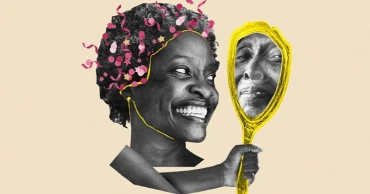
Positive attitude towards ageing can help people live longer, studies show
Research suggests that having a positive view of ageing can help people feel younger, stay healthier and even live longer, highlighting the harmful effects of ageism on physical and mental wellbeing.
The World Health Organization says ageism influences how people think, feel and act towards others and themselves based on age, often in damaging ways. Experts argue that challenging these attitudes is essential not only for social equality but also for better health outcomes.
Studies show ageism can affect people of all ages, but older adults experience it most frequently. In the UK, one in three people report facing age-based discrimination, while a US study found that more than 90 percent of adults aged between 50 and 80 experienced everyday ageism, often through negative messages they had internalised over time.
Researchers say such attitudes often develop early in life, shaped by family beliefs, media portrayals and social norms. According to scientists, negative language around ageing – such as portraying older populations as a burden – can influence how people perceive growing older and how they live their lives.
Experts warn that ageism can become a self-fulfilling cycle. Older adults who internalise stereotypes may lose confidence, avoid learning new skills or limit physical activity, even when they are capable. This can lead to poorer mental health, reduced physical performance and social isolation.
However, evidence suggests the opposite is also true. People with positive beliefs about ageing tend to feel younger than their actual age and report higher life satisfaction. A long-term study in the United States found that individuals with positive views of ageing lived an average of seven and a half years longer than those with negative perceptions.
Researchers also found links between positive ageing attitudes and better brain health, including stronger memory and lower risk indicators associated with Alzheimer’s disease.
Experts stress that ageing should not be seen as a decline, but as a success of modern healthcare. While some older people face complex health challenges, the majority remain independent, active and engaged in their communities.
Social scientists say tackling ageism requires change at both cultural and personal levels. Encouraging contact between generations, challenging stereotypes in families and media, and promoting diverse representation of older adults can help reduce prejudice.
In many cultures, older people are respected as sources of wisdom and experience. Researchers say such values, along with strong social connections and community support, play an important role in healthy ageing.
Experts argue that ageing is a privilege, and embracing it with a positive mindset can improve quality of life for individuals and society as a whole.
With inputs from BBC
1 month ago

3 common high-protein diet mistakes and how to avoid them, says nutritionist
High-protein diets have become increasingly popular for weight loss and muscle building, but many people experience bloating, fatigue, constipation, or discomfort after upping their protein intake. Experts say the problem usually lies not in protein itself, but in how it is incorporated into the diet.
Nutritionist Leema Mahajan recently shared on Instagram the most frequent mistakes people make while following a high-protein diet.
Mistake 1: Not drinking enough waterHigh protein increases urea production, which the body needs water to flush out through the kidneys. Without sufficient hydration, symptoms such as headaches, fatigue, dark urine, and constipation can occur. “Protein itself does not dehydrate you. Poor hydration does,” Mahajan explained.
Mistake 2: Reducing fibre intakeSome people replace meals with protein shakes or cut carbohydrates entirely, which removes fibre from the diet. Protein powders contain almost no fibre, and reducing fruits, vegetables, whole grains, and legumes can slow digestion, causing bloating and constipation. According to Mahajan, these issues arise from low fibre and inadequate water, not protein.
Read More: Nutritionist warns: 5 protein-rich foods that may actually cause weight gain
Mistake 3: Cutting down fruits and vegetablesAnimal-heavy high-protein diets can increase the body’s acid load. Potassium, mainly found in fruits and vegetables, helps neutralise this acidity. Eliminating these foods can lead to cramps, bloating, kidney stress, and blood pressure problems. Studies show the risk comes from high protein combined with low potassium intake.
Mahajan advised gradually increasing protein while maintaining sufficient water, fibre, and potassium from plant sources. “Protein works best when it is supported, not isolated,” she said.
Source: NDTV
1 month ago

Defying ageism can help you live longer, experts say
Challenging negative stereotypes about ageing is not just about fairness it can also improve health and longevity, experts say. Research shows that having a positive attitude towards ageing can make people feel younger and even live longer.
According to the World Health Organization, ageism – the harmful treatment of people based on their age – affects all age groups, though older adults are the most impacted. In the UK, one in three people experience age-based discrimination, while a US study found that 93% of adults aged 50 to 80 reported some form of everyday ageism.
“Ageism is personal. Yet many fail to recognise it as such,” said Parminder Raina, scientific director at Canada’s McMaster Institute for Research on Aging. He pointed out that phrases like “grey tsunami” wrongly portray ageing as a societal burden, when in reality, living longer is a public health success.
Studies suggest that internalised ageism – when people adopt negative stereotypes about their own age – can reduce self-confidence, discourage learning, and even harm physical and mental health. “Older people are capable, active, and contribute meaningfully to society. There’s no limit to what humans can do,” Raina said.
Positive perceptions of ageing can bring real benefits. Becca Levy, professor at Yale School of Public Health, found that people with optimistic views on ageing lived an average of seven and a half years longer than those with negative perceptions. They also showed better memory and lower risks of Alzheimer’s-related brain changes.
Experts emphasise that fighting ageism requires both cultural and individual action. Intergenerational contact, role models of healthy ageing, and community support are key. Hannah Swift, a social psychologist at the University of Kent, said, “We need to change societal norms about what people of different ages should do, wear, or achieve.”
Globally, some cultures continue to show respect for older adults. In Japan, Keirō no Hi, or Respect for the Aged Day, honours elders, while Native American communities regard older adults as “living libraries” preserving wisdom and traditions.
Read More: 5 simple lifestyle changes that may help slow biological ageing: Experts
Levy’s “ABC Method” encourages individuals to recognise ageist beliefs, identify where ageism causes harm, and challenge stereotypes. Research shows that fostering positive views of ageing and creating inclusive, multigenerational communities can help everyone live healthier, more fulfilled lives.
“Ageing is a privilege,” Raina said. “Embracing it, rather than fearing it, benefits us all.”
-Source From BBC
1 month ago

Bicycling could cut emissions in Global South with policy support: Study
After collecting feedback from bicyclists and other stakeholders across four cities in Bangladesh, India and Ghana, a new study shows policymakers devising ways to cut emissions in their countries must meet people where they are and not rely on the same policies that have worked in richer countries.
In many high-income countries, bicycling on city streets is becoming more common— being promoted and invested in both for its health benefits and its benefits to our environment and climate.
The new study published in Nature Cities shows that policies that address the needs of bicyclists are far less common in low- and middle-income countries.
Read More: Europa likely unsuitable for life despite hidden ocean, study finds
This, despite the fact that 49 of the top 50 countries with the most polluted air are located in the Global South and 82 percent of CO2 emissions over the remainder of the century are projected to occur there.
The study evaluates the current state of bicycling in the Global South and what can be done to increase its use as a tool for reducing emissions and improving air quality.
“There is enormous potential for bicycling to be used as a way to reduce harmful pollution and greenhouse gas emissions from the transportation sector in low- and middle-income countries,” says Kavi Bhalla, one of the study’s co-authors and an Associate Professor in the Department of Public Health Sciences at the University of Chicago’s Biological Sciences Division.
“But just because certain policies work to boost bicycling in cities in the United States or Europe doesn’t mean the same policies will be successful in countries in the Global South, where the context is much different. Our study digs into that local context so policymakers can better design policies to fit their local needs.”
Read More: Rising medicine prices threaten healthcare for marginalised communities, warns study
Bhalla and his co-authors including those from Bangladesh studied bicycling in four similar low- and middle-income cities: Delhi and Chennai (India), Dhaka (Bangladesh), and Accra (Ghana).
The locations they chose are all rapidly densifying and expanding cities with flat terrain, heterogeneous traffic, and marked by very hot summers and seasonal flooding. The authors gathered both “in the moment” feedback and interview testimony from more than 550 bicyclists and other stakeholders.
They discovered that bicycling is a mode of everyday transportation for some. But the typical rider was a low-income man cycling a long distance to work each day, with fewer low-income women also riding bicycles to travel shorter distances and on quieter neighborhood roads.
But the conventional belief was, once someone could afford an automobile, they would no longer use a bicycle.
Those who did bicycle faced harsh and risky road conditions. Along with needing to cope with extreme heat, heavy rains and flooding, they also needed to navigate roads that were built to accommodate high-speed automobiles.
In the few areas where separated bicycle lanes existed, they were often either blocked by parked cars or vendors, taken over by motorcyclists escaping roadway traffic, or built in affluent neighborhoods where few people actually bicycle.
It is of little surprise that roadways were built without bicyclists in mind. Planning documents rarely acknowledged that people bicycled at all, and when they did it was often in reference to recreational use within beautification projects.
Additionally, the responsibility of bicycling infrastructure is spread among many different agencies, while bicycle distribution policies were aimed at improving access to school for low-income girls.
Bicycling cultures persist despite these barriers, sustained by informal and precarious support systems. Non-profit organizations provide tools like air pumps and water at basic public comfort stations. Meanwhile, small street-side bicycle repair shops, often no more than footpath stalls, provide maintenance and sell second-hand bicycles.
Yet, many have downsized over the past decade and must regularly negotiate with police and regulatory authorities simply to continue occupying public space.
“What we saw was not a lack of bicycling, but a lack of institutional support,” says Rahul Goel, one of the study’s co-authors and an assistant professor at the Indian Institute of Technology (IIT), Delhi.
“Bicycling continues largely because of informal systems that keep bicycling viable from day to day. These systems are essential, yet they are increasingly fragile and invisible to policymakers, even as motorized traffic and regulatory pressures make cycling harder to sustain.”
Drawing on this analysis, the study concludes that large-scale increases in bicycling could meaningfully reduce greenhouse gas emissions and other pollution from the transport sector in low- and middle-income countries.
However, rather than importing models from high-income settings, the authors argue that policies should start by addressing the everyday needs, constraints, and risks experienced by current bicyclists.
“If we begin by making bicycling safer and more workable for those who already rely on it, we can create conditions that make bicycles a viable option for many more people and help prevent a shift toward private motor vehicles as incomes rise,” says Smruthi Bala Kannan, who led the work as a post-doctoral researcher at the University of Chicago before joining the Madras Institute of Development Studies as an Assistant Professor.
Read More: Bangladesh solar power projects fail to draw investors for rigid terms: Study
1 month ago
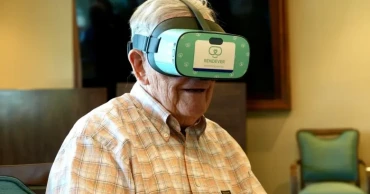
Virtual reality helps seniors forge real-life connections
Residents at The Terraces, a retirement community in Los Gatos, California, are rediscovering adventure and connection through virtual reality (VR) technology. Many of the seniors, most in their 80s and 90s, are unable to travel far but can now explore distant places, dive into oceans, or experience thrill-seeking activities like hang-gliding—all from the comfort of their chairs.
The VR programs, curated by Massachusetts-based Rendever, aim to enhance cognitive function and foster social bonds. During one session, residents paddled along with dolphins in a 3D underwater simulation. Another virtual hot-air balloon ride left participants gasping with excitement. Some residents even revisit childhood neighborhoods through VR, evoking cherished memories. “It’s not just seeing it again; it’s the memories it brings back,” said 84-year-old Sue Livingstone.
Adrian Marshall, community life director at The Terraces, noted that VR often becomes a conversation starter, encouraging residents to connect over shared experiences. Research shows VR can improve memory, reduce isolation, and strengthen intergenerational relationships when used thoughtfully.
Doctors recommend belly laughs two to five times a week for health benefits
Rendever, which received a $4.5 million NIH grant, plans to study ways VR can reduce social isolation for seniors at home and their caregivers. Experts emphasize that while VR is not a replacement for traditional activities, it provides a meaningful and engaging avenue for seniors to socialize and enjoy new experiences.
Residents at other retirement communities, such as the Forum in Silicon Valley, also use VR to revisit past travels and experience nature or performances. For Bob Rogallo, living with dementia, a virtual hike through Glacier National Park brought joy, while 93-year-old Almut Schultz delighted in a virtual music performance and playful puppy interactions.
Source: AP
2 months ago

Doctors recommend belly laughs two to five times a week for health benefits
Melanin Bee arches her back like a stretching cat and lets out a series of forced, exaggerated laughs that soon turn into genuine giggles as she kicks her feet with delight. She is practicing “Laughasté,” a comedic yoga routine she created that traces its roots to laughter clubs first established in India in the 1990s.
“It’s about being comfortable with awkwardness,” said Bee, a Los Angeles comedian and speaker. “Once you do that, you find a silliness within that leads to involuntary laughter.”
Medical experts say laughter offers more than stress relief. Dr. Michael Miller, a cardiologist at the University of Pennsylvania, compared it to exercise. “Like we recommend physical activity at least three to five days a week, you should belly laugh at least two to five days weekly,” he said. Laughter promotes heart health, boosts immunity, and triggers endorphins, natural painkillers that also improve mood.
The modern study of laughter, or gelotology, began in the 1960s. Research has shown that even simulated laughter provides health benefits, including lowering stress hormones, blood sugar levels, and chronic pain, according to Jenny Rosendhal, a medical psychology researcher at Germany’s Jena University. Laughter yoga, which combines intentional laughter with deep breathing and gentle stretches, has proven especially effective for people experiencing depression or illness.
Laughing yoga founder Dr. Madan Kataria in Mumbai created structured exercises that encourage participants to laugh for no reason, using movements and sounds to engage the diaphragm. “It’s about activating your laughter muscles and removing mental inhibitions,” Kataria said. “The real, childlike laughter follows naturally.”
Source: AP
2 months ago

How to get the most out of your doctor’s appointment
Visiting a doctor can be stressful at any age, with patients often forgetting symptoms, medications, or questions until after leaving the office. Preparing ahead is key to making the most of the time with a healthcare provider.
Dr. Sarah Nosal, president of the American Academy of Family Physicians, said even doctors struggle to remember everything they want to discuss with their own physicians. She advises patients to bring a written list of symptoms and questions, prioritizing the most urgent concerns at the top. “Once you leave the office, you can lose that time,” Nosal said.
Primary care doctors play a central role in overall health. They not only provide preventive care such as vaccinations and screenings, but also monitor chronic conditions, detect emerging health problems, and coordinate referrals to specialists. “Knowing a patient over time helps me recognize what’s normal and what’s changed,” Nosal explained.
Preparation should start at home. Young adults may need help recalling medical history, including past surgeries, hospitalizations, and vaccinations. Updating family health history — such as incidences of diabetes, stroke, or early-onset cancer — can guide preventive care.
Indonesia’s first giant panda cub squeals and squirms in new park footage
Patients should also document all medications, including prescriptions, over-the-counter drugs, vitamins, and supplements, as these can interact. Checking whether recent lab results or records from other providers have been sent to the doctor is also important.
Nosal recommends keeping a running list of questions before the appointment. Specific details about symptoms or health concerns, including mental and sexual health, should be included and presented early during the visit. Patients can share these lists via patient portals or check-in forms.
Asking questions repeatedly is encouraged. Patients should understand the rationale behind a diagnosis and next steps, and it is often helpful to bring a friend or relative to take notes. “Whether you are 20 or 85, you will not remember everything from your medical visit,” Nosal said.
Source: AP
2 months ago