Food
Here’s How Vegetarians Can Get Enough Protein Without Meat or Eggs
Protein has emerged as the new buzzword in the world of nutrition — and for good reason. Health experts say a protein-rich diet keeps you full for longer, maintains energy levels, and helps muscles recover faster after workouts.
However, vegetarians often face challenges meeting their daily protein requirements as they avoid major sources like meat, fish, and eggs.
According to reports from the National Library of Medicine, people following vegetarian or vegan diets are at a higher risk of bone fractures and haemorrhagic stroke. They may also lack essential nutrients such as vitamin B12, which is found mainly in animal meat, milk, and eggs.
Fish and shellfish are also rich in B12, while vegetarians are more prone to iron and zinc deficiencies — conditions that can particularly affect children, pregnant and breastfeeding women, and those with heavy menstrual bleeding.
The American College of Cardiology has also noted that vegetarian diets heavy in refined flours, artificial sweeteners, excess salt, and preservatives may raise health risks and even increase mortality rates.
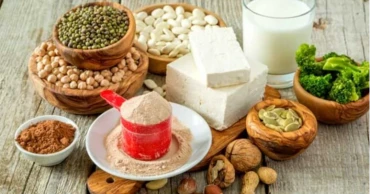
So, how can vegetarians maintain proper protein intake without relying on supplements? Nutritionists suggest adding natural, plant-based protein sources to everyday meals. Here are five healthy options recommended by WebMD:
1. Beans and legumes:
Lentils, kidney beans, soybeans, chickpeas, and black beans are great meat alternatives. They can be added to curries, soups, or salads for a hearty protein boost.
2. Nuts and seeds:
Peanuts, almonds, cashews, hazelnuts, pistachios, pecans, and sesame seeds are excellent snack options or can be added to oatmeal or yoghurt for extra nutrition.
3. Whole grains:
Unprocessed grains like oats, quinoa, barley, millet, and brown rice are rich in protein and fiber, making them ideal for a balanced diet.
4. Vegetables:
Leafy greens and vegetables such as peas, corn, asparagus, and broccoli can naturally increase protein intake when consumed regularly.
5. Dairy products:
For those who consume dairy, options like Greek yoghurt, Icelandic skyr, cottage cheese, whole milk, cheddar, and mozzarella cheese are all rich in protein and essential nutrients.
Experts advise vegetarians to maintain a balanced diet with a mix of these foods to ensure sufficient protein and nutrient intake while supporting long-term health.
Source: NDTV
7 months ago
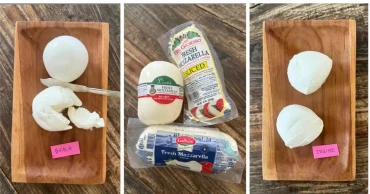
A cheese lover’s guide to choosing the right mozzarella for every dish
If you’ve ever stepped into a supermarket thinking you’d simply grab some mozzarella, you probably discovered it’s not that simple anymore.
What was once a single white ball wrapped in plastic has evolved into a whole category of cheeses — fresh, low-moisture, smoked, buffalo, burrata — each with its own texture, flavor, and best uses. Here’s how to choose the right one for your next meal.
Fresh mozzarella
Soft, milky and delicately tender, fresh mozzarella is a little kitchen magic. Best enjoyed soon after purchase, it’s usually packed in water or brine to preserve its creamy texture. Slice it over tomatoes with olive oil and basil for a perfect Caprese salad, tuck it into sandwiches, or use it in pasta and chicken parmigiana.
Fresh mozzarella comes in different sizes and shapes — from large balls to smaller varieties like bocconcini, ciliegine (“little cherries”), and perline (“pearls”). These bite-sized pieces are ideal for salads, appetizers or casseroles. Braided treccia mozzarella makes an attractive centerpiece for any cheese board.
Because of its high water content, fresh mozzarella can release moisture during cooking. Blot slices with paper towels before baking, and eat within a few days of opening for the best quality.
Low-moisture mozzarella
The reliable all-rounder of mozzarellas, low-moisture mozzarella comes in blocks or shredded form. It melts beautifully, browns evenly, and doesn’t water down dishes — making it the top choice for pizzas and lasagnas. Its denser texture and saltier flavor hold up well in baked recipes.
Unopened, it keeps for weeks in the refrigerator; once opened, wrap it tightly and use within a week.
Burrata
Think of burrata as mozzarella with a surprise inside. Its soft shell of fresh mozzarella encloses a rich mixture of cream and stracciatella (mozzarella curds mixed with cream). Slice it open and the creamy center oozes out — the dairy equivalent of molten chocolate cake.
Serve burrata over warm pizza, with grilled peaches, prosciutto or salad, or drizzle it with balsamic glaze over bruschetta. Enjoy within two days of purchase for its best flavor and texture.
Buffalo mozzarella (Mozzarella di Bufala)Made from water buffalo milk, this version is creamier, tangier, and richer than cow’s milk mozzarella, with a higher fat content and price tag. Typically packed in liquid, it’s best eaten fresh and uncooked, ideally the day it’s bought.
Look for the label Mozzarella di Bufala Campana DOP — it signifies authentic Italian cheese made in a protected region using traditional methods.
Smoked mozzarella (Scamorza Affumicata)For a subtle smoky depth, smoked mozzarella adds a touch of complexity to dishes. Slice it into sandwiches, cube it for grain salads, or layer it into baked pasta. To balance the flavor, pair it with unsmoked mozzarella. Properly wrapped, it lasts up to two weeks in the fridge.
Which one to choose?
For stretch, melt and longer shelf life: go with low-moisture mozzarella.
For luxury and freshness: choose burrata or buffalo mozzarella.
For versatility with a light touch: use fresh mozzarella.
For a distinct, smoky note: pick smoked mozzarella.
Or better yet, try them all. Arrange a mozzarella tasting with olive oil, salt, crusty bread and ripe tomatoes. It might be the most delicious way to appreciate one of the world’s most versatile cheeses.
Source: AP
7 months ago
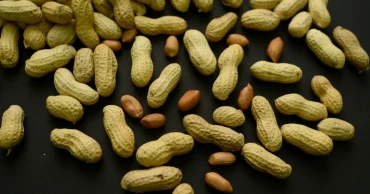
Early peanut introduction helps 60,000 children avoid allergies, study finds
A decade after research first showed that introducing peanuts to babies early could prevent dangerous allergies, a new study has confirmed the real-world impact — an estimated 60,000 children in the United States have avoided developing peanut allergies as a result.
The findings, published Monday in the journal Pediatrics, show that peanut allergies among children aged 0 to 3 have declined by more than 27% since 2015, when new medical guidelines first recommended early introduction for high-risk infants. The rate dropped by over 40% after the recommendations were expanded to all children in 2017.
“That’s a remarkable thing,” said Dr. David Hill, allergist and researcher at the Children’s Hospital of Philadelphia, who led the study. “There are fewer children with food allergies today because of this public health effort.”
The research team analyzed health records from dozens of pediatric clinics before and after the introduction of the new feeding guidelines.
For years, doctors had advised parents to delay introducing peanuts and other allergenic foods until children were at least three. That changed after the landmark 2015 Learning Early About Peanut Allergy (LEAP) study, led by Professor Gideon Lack at King’s College London, demonstrated that early peanut consumption reduced allergy risk by more than 80%. Follow-up research showed that protection persisted into adolescence for around 70% of children.
Despite the clear benefits, uptake of the recommendations has been slow. Surveys found that only 29% of pediatricians and 65% of allergists had fully adopted the expanded 2017 guidance, largely due to uncertainty among healthcare providers and parents.
Even so, experts say the latest data confirm that early allergen exposure is making a measurable difference. “This research reinforces what we already know — that early introduction offers a powerful opportunity to reduce peanut allergies nationwide,” said Sung Poblete, CEO of Food Allergy Research & Education (FARE).
Current U.S. guidelines, last updated in 2021, advise introducing peanuts and other major allergens between four and six months of age, without prior screening.
“It doesn’t have to be much — just small tastes of peanut butter, yogurt, or soy-based foods,” Hill said. “These allow the immune system to learn tolerance safely.”
Parents are encouraged to consult their pediatricians for individualized advice. Source: AP
7 months ago
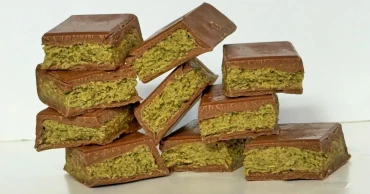
Dubai chocolate craze expands beyond bars, inspiring global confections
While some food trends flare briefly and fade, Dubai chocolate appears to have taken root, spreading rapidly and evolving beyond its original bar format. The rich, indulgent flavors and thick texture that made Dubai chocolate bars a social media sensation are now appearing in a variety of confections worldwide.
The original Dubai chocolate bar, created by Fix Chocolatier in the UAE in 2021, gained viral popularity by 2023. Known for its thick milk chocolate shell encasing a creamy pistachio (and often tahini) filling with crispy, shredded, phyllo-like pastry called kadayif, the bar has become a template for new creations. Global brands and small bakers are now experimenting with Dubai chocolate in croissants, milkshakes, parfaits, and more, with fillings ranging from peanut butter and jelly to s’mores and matcha.
“This isn’t just a trend anymore — it’s a whole new category,” said Din Allall of The Nuts Factory, which operates about 150 U.S. stores featuring nuts, dried fruits, and candies.
The popularity of Dubai chocolate has even contributed to a pistachio shortage this year, according to Iranian producer Keinia, which attributed the scarcity to “the explosive surge in demand fueled by the viral ’Dubai chocolate’ TikTok trend, compounded by underlying supply constraints.”
Global interest in Dubai chocolate has surged. Google searches spiked early this year, peaking in March, and have remained high since. The Nuts Factory now offers 12 flavors of Dubai chocolate bars, as well as chocolate- and pistachio-coated Dubai dates, Dubai-coated roasted nuts, layered chocolate-pistachio strawberry parfaits, and a luxury Dubai Golden Chocolate bar infused with edible 24-karat gold priced at $79.99, while regular 6.5-ounce bars sell for $18.99.
Allall emphasized that the appeal lies not only in the flavors but also in the bar’s structure: “Huge, thick, with lots of filling.”
Retailers and restaurants embrace the craze
Major retailers and restaurants are capitalizing on the trend. Trader Joe’s sells a Dubai chocolate bar by Patislove, IHOP offered a limited-time Dubai pancake stack in August, and Baskin-Robbins features Dubai-inspired ice creams. Costco, Walmart, and QVC have introduced a variety of Dubai chocolate confections, including cakes. Swiss chocolate giant Lindt launched a limited Dubai chocolate bar in Europe last fall, drawing large crowds.
For many consumers, the texture is key. “The chocolate is soft and melty, the filling is creamy, and the kadayif adds a satisfying crunch,” said Erica Lefkowits, a Dublin shopper. Beyond taste, Dubai chocolate evokes luxury and exoticism through ingredients like pistachios, rose, saffron, and cardamom.
Although still niche in the U.S., Dubai chocolate sales are growing rapidly. Pistachio-filled chocolate retail sales totaled $822,900 in the year ending June 28, compared with $16.27 billion for all chocolates. Unit sales of pistachio-filled chocolates jumped 1,234% year-on-year, while overall chocolate sales dipped slightly.
Stew Leonard, Jr., CEO of New York-area grocery chain Stew Leonard’s, said, “I’ve never seen a single item sell like this in my 50 years of retailing.” The chain introduced the BeeMax Dubai chocolate bar in March, followed by its own house-branded version. They also launched a Dubai chocolate gift box for the holidays, including mini ice cream cones, pralines, and bars.
Other widely available U.S. brands offering Dubai chocolate include Moda, Magno, and Leonessa, with variations appearing as candies, coffee syrups, and more, signaling that Dubai chocolate is evolving into a global indulgence far beyond its original bar.
7 months ago
The science behind growing a giant pumpkin
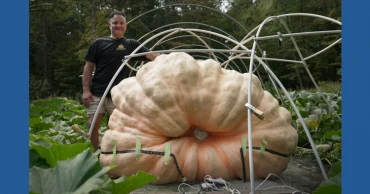
In Tony Scott’s backyard sits a pumpkin nearly the size of a small car. For months, the upstate New York semiconductor engineer has carefully nurtured it — feeding fertilizer, monitoring its growth with measuring tape, and covering it with a blanket at night to maintain a steady temperature.
“I’ve never seen anything grow this fast,” said Scott, whose pumpkin weighed in at 1,931 pounds (876 kilograms) — enough to take third place in this year’s regional competition.
Across the United States, growers like Scott push the limits of plant growth each fall, cultivating colossal pumpkins that can exceed 2,000 pounds (900 kilograms). While other gourds such as squashes, cucumbers, and watermelons can also grow to impressive sizes, the pumpkin remains the undisputed giant of the patch — a seasonal star at autumn fairs and Halloween festivals.
How to grow a pumpkin that breaks recordsThe quest for a record-breaking pumpkin begins with the seed. Most growers rely on Atlantic Giant seeds, a variety known for producing enormous fruits with the right care and growing conditions.
From there, it’s all about balance — water, nutrients, and consistent attention. Giant pumpkins can absorb hundreds of gallons of water each day and, thanks to a highly efficient vascular system, rapidly transport nutrients throughout the plant.
As vines spread, growers typically remove smaller pumpkins so that all available energy is directed into a single fruit. “That helps make it extra big in a way that you might not see in the wild,” explained Aleca Borsuk, a plant scientist at the New York Botanical Garden.
Foraging revival: Wild food enthusiasts rediscover nature
Gravity also plays a role in their unusual shape. Giant pumpkins tend to sprawl outward rather than upward, taking on a wide, flattened form that often looks like a lumpy orange pancake. Scott covers his pumpkin with a tarp to prevent sunlight from hardening its skin too quickly, and waters it using an overhead sprinkler system.
Can pumpkins just keep growing?“The answer is no,” said Borsuk. No matter how large they get, pumpkins eventually reach maturity and stop growing.
Scott, who has been cultivating giants for eight years, said it still amazes him to see how rapidly they expand — sometimes gaining 40 to 50 pounds (18 to 23 kilograms) a day. He even sets up reflective panels and a fake wolf cutout to scare off deer and other animals tempted by the massive orange fruit.
Woodchucks have been known to nibble the vines, but Scott remains undeterred. After the weigh-off season ends, he displays his pumpkin at local events and hauls it around on a trailer — often drawing curious onlookers.
“The first question they ask is, ‘Is it real?’” he said with a laugh. “Where would you buy a fake pumpkin this big?”
Source: AP
7 months ago

Foraging revival: Wild food enthusiasts rediscover nature
Standing barefoot among a patch of dandelions, Iris Phoebe Weaver eagerly explains the many ways the humble plant can be used in cooking and medicine.
“I picked a bunch of dandelion flowers yesterday and soaked them in vodka with orange peel and sugar to make a dandelion aperitif,” Weaver said. “It will make a delightful mixed drink.”
A seasoned herbalist and foraging instructor from Massachusetts, Weaver leads nature walks that help people reconnect with the environment. She says the growing interest in foraging benefits not only individuals but also communities and the environment.
“There is so much food around us,” she said. “An abundance we often don’t even realize.”
Foraging predates agriculture, which emerged around 12,000 years ago, yet interest in collecting wild mushrooms, edible plants, shellfish, and seaweed has surged recently. Enthusiasts share discoveries on social media, while experienced foragers offer guidance on safe, sustainable practices.
People are drawn to foraging for various reasons—from saving money to reducing environmental impact. Some also explore creative pursuits, like making spore prints from mushrooms. The hobby is widely accessible, with opportunities ranging from urban spaces to forests, provided proper permissions are obtained. Some initiatives even map locations where people can collect fruits and vegetables for free.
Day and night share equal time as fall equinox arrives Monday
Gina Buelow, a natural resources specialist at Iowa University Extension, said mushroom foraging programs have been in high demand for the past two years, regularly reaching attendance limits. Participants include older gardeners as well as younger enthusiasts aged 20 to 30.
Chefs are also fueling interest by introducing diners to locally foraged ingredients. Evan Mallett, owner of Portsmouth’s Black Trumpet Bistro, said, “Foraging is an ancient practice. Our culture had moved away from it, but now it’s returning.” Mallett, who has used locally foraged foods at his restaurant for nearly 20 years, encourages people to learn from mentors to avoid poisonous plants.
At Black Trumpet, foraged items such as Black Trumpet mushrooms, sea kelp in lobster tamales, and sea lettuce in salads have become menu highlights. Longtime customer M.J. Blanchette praised the unique taste and local connection of these dishes.
“It’s exciting, local, and something special,” she said.
Source: Agency
8 months ago
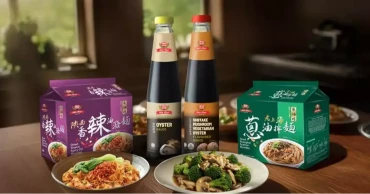
Woh Hup celebrates heritage with new China Flavour instant noodles
From its humble beginnings in Chinatown in 1936 to becoming a household name across Singapore and beyond, Woh Hup has been a key part of the nation’s culinary legacy for nearly nine decades. Best known for its noodles and the iconic Oyster Sauce, the brand continues to shape kitchens while balancing tradition with innovation.
Over the years, Woh Hup has earned recognition for its contributions to Singapore’s food culture, including a place in the National Heritage Board’s 50 Made in Singapore Products (2015) and the Top Influential Brand in Sauces award (2018, 2023).
A delicious guide to frozen drinks this summer
Building on this legacy, Woh Hup has launched its China Flavour Instant Noodles series, designed to bring authentic regional tastes to modern dining. The series features three varieties:
Dried Shanghai Scallion Oil Noodles – rich and savouryDried Sichuan Pepper Noodles – hot and flavourfulDried Shanxi Spicy Oil Noodles – aromatic and spicyCatering to health-conscious consumers, the noodles are non-fried, cholesterol-free and trans fat-free, offering a lighter option without sacrificing taste. Convenient and quick to prepare, they suit today’s fast-paced lifestyles while preserving authentic flavours.
Now available at major retailers in Singapore, the China Flavour series reinforces Woh Hup’s position as a trusted homegrown brand that honours tradition while embracing modern tastes.
Source: Agency
9 months ago

A delicious guide to frozen drinks this summer
As summer temperatures soar, frozen drinks like milkshakes, malts, frappes and concretes offer a refreshing escape, but their names and recipes vary across regions and eateries in the U.S.
Milkshakes, the most iconic of the bunch, are typically made by blending ice cream with milk and flavorings such as syrups, extracts or fruit. At Manhattan’s century-old Lexington Candy Shop, vanilla remains the most popular flavor, followed by chocolate, coffee and strawberry, according to co-owner John Philis. Specialty shakes include the black and white (vanilla and chocolate) and the Broadway (coffee ice cream with chocolate syrup).
Malts are milkshakes enriched with malted milk powder, which combines malted barley, wheat flour and evaporated milk, giving a toasted, nutty flavor reminiscent of 1950s diners.
How to know when your garden vegetables are ready to harvest
Frappes differ by region. In Massachusetts, a frappe resembles a milkshake, sometimes just flavored milk. Coffee-based frappes, popularized by chains like Starbucks, are blended icy drinks topped with whipped cream.
Other frozen treats include concretes — ultra-thick frozen custard blended with mix-ins like cookies or candy, requiring a spoon to eat. Ice cream floats mix ice cream with soda for a bubbly dessert, while ice cream sodas are made with syrup and seltzer, then topped with ice cream.
Smoothies, often viewed as a healthier option, combine fruit, yogurt or juice and sometimes ice, though rich ingredients can make them high in sugar and calories.
From creamy shakes to frothy floats, frozen drinks offer a variety of flavors and textures for summer indulgence.
9 months ago
How to know when your garden vegetables are ready to harvest
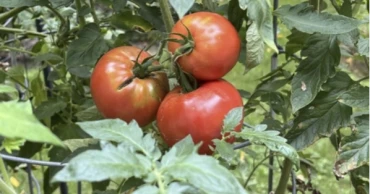
For gardeners, late summer often means it’s nearly time to enjoy the rewards of months of planting and care. While some crops — like tomatoes, which should display a uniform red, yellow, or orange hue — clearly signal ripeness, others require a closer look.
Key signs for popular vegetablesZucchini should be picked at 6–8 inches (15–20 cm) for best tenderness; oversized squash can become tough. Green beans are ready when about pencil-thick — harvesting every couple of days encourages more production. Green peppers can be picked anytime, but are fully mature (and sweeter) when red.
Cucumbers are edible at all sizes but should be harvested before their skin becomes too smooth to avoid bitterness. Sweet corn is ready when its silk turns brown, and kernels release a milky fluid when pierced.
Cantaloupes will detach easily from the vine when ripe, honeydew melons soften at the bottom, and watermelons are ready when their undersides turn creamy white.
Crème fraîche creates a creamy broth in this recipe for briny-sweet steamed clams
Root crops’ readinessGarlic bulbs mature when only about five leaves remain green. Onions are ready once their tops flop and brown. Beets are best at 1½–3 inches (3.8–5 cm) wide; larger roots may become woody. Standard potatoes are fully ready when foliage dies back, while “new” potatoes can be dug two to three weeks after blooming. Carrots can be harvested once their tops emerge above the soil and can remain in the ground for extended storage.
Source: Agency
9 months ago

China’s traditional Baijiu spirit gets a makeover to woo younger drinkers
Baijiu, China’s centuries-old high-proof liquor known for its fiery flavor and strong presence at business banquets, is undergoing a transformation as distillers target younger, health-conscious consumers.
Distilled mainly from sorghum and containing up to 60% alcohol, baijiu is central to Chinese drinking culture and social rituals like the customary gan bei (bottoms up) toast. Yet as modern drinkers shift away from heavy drinking and lavish feasting, baijiu’s producers are innovating to stay relevant.
“If you like spirits and haven’t tried baijiu, it’s like eating noodles but never trying spaghetti,” said Canadian wine expert Jim Boyce, founder of World Baijiu Day. The annual event promotes awareness of the spirit outside China, where it’s less known than whiskey or vodka.
The most famous variety, Moutai from Guizhou province, was famously praised by U.S. diplomat Henry Kissinger during a 1974 banquet with Deng Xiaoping. But despite its prestige, baijiu sales have slumped in recent years. According to the China Alcoholic Drinks Association, Feitian Moutai’s price has dropped 36% this year, and overall baijiu production is expected to decline for an eighth consecutive year in 2025.
Letting children grow: Tips for instilling a love of gardening
Crackdowns on official extravagance and workplace drinking, coupled with an economic slowdown, have weakened demand. In May, the Communist Party banned alcohol during work meals as part of its anti-corruption efforts.
In response, baijiu makers are adapting. Some, like Kweichou Moutai, launched innovations like Moutai-flavored lattes with Luckin’ Coffee, reportedly selling 5 million cups daily. Others are infusing baijiu with fruit, bottling it in sleek designs, and lowering alcohol content to under 10% to attract Gen Z consumers.
Brands like Jiangxiaobai use poetic packaging and lifestyle-oriented marketing. Bartenders are also embracing baijiu in cocktails to appeal to younger palates.
“Baijiu is quietly making its way into our lives,” said Shirley Huang, 27, sipping a baijiu-based cocktail in Beijing. “It may not appear as itself, but it reemerges in new forms.”
Source: Agency
10 months ago