tech

Cloudera launches on-pemises pvt AI with latest data services update
Cloudera, the only company offering AI for data across all environments, has unveiled the latest update of Cloudera Data Services, enabling Private AI capabilities directly within enterprise data centers. This release introduces secure, GPU-accelerated generative AI behind corporate firewalls, complete with governance tools and hybrid cloud flexibility, allowing enterprises to build and scale their own sovereign data clouds on-site—eliminating security risks. Cloudera remains the only provider offering a unified data lifecycle with consistent cloud-native services both on-premises and in the public cloud.
Security concerns around protecting sensitive data and proprietary information continue to be a major barrier to AI adoption across sectors. A report by Accenture shows that 77% of organizations lack the foundational security and data practices necessary to protect critical AI models, data pipelines, and infrastructure. Cloudera addresses these risks head-on, helping enterprises accelerate their AI development from prototype to production in weeks instead of months.
This release extends the benefits of Cloudera Data Services to on-site infrastructure, enabling organizations to cut infrastructure costs, simplify data lifecycles, and boost productivity for data teams. With automated security tasks and streamlined deployment processes, organizations can now realize faster ROI from their AI initiatives. This update also delivers a cloud-native user experience within internal environments, giving enterprises the flexibility to scale without compromising data security.
Included in this update are on-premises versions of Cloudera AI Inference Service and Cloudera AI Studios, both previously available only in the cloud. These tools are designed to eliminate the primary obstacles to enterprise AI adoption, allowing companies to safely develop and operate generative AI applications within their internal networks.
Cloudera AI Inference Service, now available on-prem and powered by NVIDIA, is among the first in the industry to offer integrated NVIDIA NIM microservices. This offering supports the secure and scalable deployment of large AI models within the data center, keeping data and models inside secure infrastructure.
WeFi launches tailored vendor program to boost India’s IT channel
Cloudera AI Studios brings a low-code platform to enterprise data centers, democratizing the development and deployment of generative AI applications and agents across teams.
A Total Economic Impact™ (TEI) study conducted by Forrester Consulting on behalf of Cloudera found that a composite customer using Cloudera Data Services on-premises experienced an 80% reduction in deployment time, a 20% productivity boost among data and platform teams, and a 35% cost savings due to the cloud-native architecture. Organizations also reported major operational improvements, with some increasing hardware efficiency from 30% to 70% and requiring 25% to over 50% less capacity post-modernization.
“Enterprises have long struggled with cobbled-together, fragile solutions for on-prem AI,” said industry analyst Sanjeev Mohan. “With AI adoption becoming urgent, security concerns remain paramount. Enterprises need streamlined, secure solutions to adopt AI without sacrificing performance.”
“Cloudera Data Services On-Premises provides a truly cloud-native experience within private infrastructure, enabling both agility and security,” said Leo Brunnick, Cloudera’s Chief Product Officer. “This release represents a major leap in modernizing enterprise data architecture, shifting from rigid clusters to flexible, container-based applications.”
Toto Prasetio, Chief Information Officer at Bank Negara Indonesia (BNI), said: “We are proud to be early adopters of Cloudera’s AI Inference service. It offers the secure and scalable backbone we need to expand our generative AI initiatives while complying with Indonesia’s evolving regulations. This is a crucial step in delivering smarter, faster, and more reliable digital banking to Indonesians.”
Cloudera is showcasing the new release at EVOLVE25, its annual global data and AI conference series, beginning this week in Singapore. Participants can register to learn how Cloudera enables AI across any enterprise data environment.
Tesla grants Elon Musk $29 billion in stock amid ongoing controversy
To explore how Cloudera Data Services accelerates AI deployment and adoption, tune in to ClouderaNow on October 15, 2025, at 8:00 AM PT / 11:00 AM ET / 4:00 PM GMT / 5:00 PM CET, or visit the Cloudera AI Inference page for more details.
About ClouderaCloudera is the only trusted data and AI platform provider that enables large enterprises to bring AI to all their data, wherever it resides. Unlike other providers, Cloudera offers a consistent cloud experience across public cloud, on-premises, and edge environments—built on a proven open-source base. As a pioneer in big data, Cloudera empowers organizations to unlock AI capabilities while maintaining full control over their data, improving governance, security, and real-time insights. Leading global brands rely on Cloudera to enhance decision-making, drive performance, guard against risks, and even save lives.
For more information, visit Cloudera.com and follow Cloudera on LinkedIn and X. “Cloudera” and associated trademarks are owned by Cloudera, Inc.; other company names may be trademarks of their respective holders.
Source: Agency
1 year ago

WeFi launches tailored vendor program to boost India’s IT channel
As developing economies continue to grow, global tech firms see vast potential in expanding into markets like India. To support this, international finance and technology firm WeFi has introduced a market-specific vendor program aimed at streamlining operations and accelerating growth in India’s dynamic IT channel.
WeFi’s program is designed to navigate the complex financial and regulatory landscape typical of emerging economies, where varying tax systems, compliance rules, currency volatility, and political instability pose challenges. The company’s tailored approach seeks to simplify these hurdles while empowering vendors through innovative financial solutions.
“Channel finance in emerging markets like India is complex but full of opportunity,” said Boris Todorov, WeFi’s Chief Client Officer. He noted that WeFi’s non-recourse and funded capital solutions are structured to manage credit, interest rate, and foreign exchange risks, while ensuring alignment with shifting regulations.
WiFi Wireless Router Buyer Guide with Price Ranges in Bangladesh
The initiative is powered by WeFi’s proprietary cloud-based platform IZZI, which offers AI-driven automation, real-time data visibility, secure invoice management, and workflow optimisation across multiple languages.
WeFi aims to expand its footprint in India by partnering with technology vendors to unlock capital, drive innovation, and support long-term growth in the IT sector.
Source: Agency
1 year ago

Tesla grants Elon Musk $29 billion in stock amid ongoing controversy
On Monday, Tesla awarded CEO Elon Musk a stock package worth approximately $29 billion, recognizing years of significant growth, even as the company faces recent struggles related to Musk’s political involvement, declining sales, and falling stock prices.
The company granted Musk 96 million restricted shares, noting that he hasn't received compensation in years due to a 2018 pay package being struck down by a Delaware court. That package was invalidated again eight months ago, though Tesla is appealing the decision.
Calling the new award a “first step” in good faith, Tesla said the move is aimed at retaining Musk and ensuring he stays focused on the company, especially as he also leads other ventures like SpaceX and xAI. Musk has argued that he needs more control over Tesla to prevent activist shareholders from forcing him out.
In a regulatory filing, Tesla defended the move, saying, “Rewarding Elon for what he has done and continues to do for Tesla is the right thing to do,” referencing the $735 billion increase in Tesla’s market value since 2018.
Despite this long-term growth, Tesla’s stock has dropped 25% this year, partly due to Musk’s alignment with Donald Trump and a growing backlash. The company is also under pressure from increasing competition, both from U.S. automakers and Chinese EV brands.
Tesla's latest financial report showed profits falling sharply from $1.39 billion to $409 million, with revenue also declining and the company missing even reduced Wall Street expectations.
Investors have become increasingly concerned about Musk’s focus, especially as he has been actively involved in political affairs in Washington, taking a visible role in Trump’s efforts to shrink the federal government.
The company stated in its filing that Musk will need to pay $23.34 per share for the restricted stock to vest, which matches the exercise price from the earlier 2018 package.
Last December, Delaware Judge Kathleen St. Jude McCormick reaffirmed a ruling canceling Musk’s 2018 compensation, stating it had been arranged through sham negotiations with non-independent board members. The decision stemmed from a lawsuit filed by a Tesla shareholder.
The original pay deal had a potential value of $56 billion, though the actual worth has changed over time with Tesla's fluctuating stock price. Musk appealed the ruling in March, and in April Tesla announced a special committee would reevaluate Musk’s compensation.
Musk remains one of the world’s wealthiest individuals.
Wedbush analyst Dan Ives said the new stock grant could ease investor concerns, writing that it likely secures Musk's leadership at Tesla through at least 2030 and removes uncertainty that has surrounded the company since the Delaware court battles began.
Under shareholder pressure, Tesla recently announced it would hold its annual meeting in November, in line with Texas law. A group of over 20 shareholders had demanded that the company publicly confirm the meeting after watching the stock's continued decline.
Tesla shares rose nearly 2% during midday trading on Monday.
1 year ago
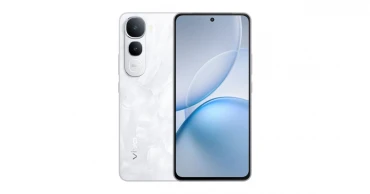
Vivo Y400 4G Review: Worth It or Just Hype?
Vivo’s Y series is known for blending affordability with trendy features, especially for young users. The Vivo Y400 5G, launched on 28 July 2025, continues that legacy with a few key upgrades. Let's take a look at the key features, specifications, pros, cons, and pricing of the Vivo Y400 4G smartphone in Bangladesh.
Key Features of Vivo Y400 4G
.
Design and Build Quality
The Vivo Y400 4G offers an impressive design language for its price. With dimensions of 162.3 mm by 75.3 mm by 7.9 mm and a weight of around 196 g (Green) to 198 g (White), it feels sturdy and sleek in hand. The combination of a glass front and a plastic back wrapped in a plastic frame is standard in this price range, but Vivo has added flair with colour options like Pearl White, Tropical Green, and Purple Twilight.
The IP68/IP69 rating for water and dust resistance, along with MIL-STD-810H compliance, adds serious durability—a rare offering at this budget level. When compared to the Vivo Y300, the Y400 feels more refined. The Y300 has a similar design with a plastic body but comes with only IP64 splash resistance. The bump up to IP68/IP69 on the Y400 makes a noticeable difference for users worried about water damage.
Against the Samsung Galaxy M36, which has Gorilla Glass Victus+ protection and a glass back, the Vivo Y400 4G does feel less premium. Motorola’s G96, though lighter at 178 g and wrapped in eco-leather, wins points for aesthetics and grip but does not match the Y400’s rugged certification.
Read more: Best 10 Smartphones Releasing in August 2025
Display Quality
The Vivo Y400 4G features a 6.67-inch AMOLED panel with a resolution of 2400 by 1080 pixels, a 120 Hz refresh rate and a peak brightness of 1800 nits, making it suitable for both indoor and outdoor use. Colours are vivid, blacks are deep, and the screen is a pleasure for media consumption. The display-to-body ratio of 87.9% and ~395 ppi pixel density make for a crisp viewing experience.
It shares its panel characteristics with the Vivo Y300, but there is a slight improvement in overall smoothness and brightness optimisation on the Y400. The Motorola G96 does outshine both with its P-OLED panel and 144Hz refresh rate, giving gamers and content consumers a buttery-smooth, punchier display.
The Samsung M36, featuring a Super AMOLED screen with Gorilla Glass Victus+ protection, holds up very well, though it maxes out at 120 Hz. While the Y400 4G may not offer the absolute best panel in its class, it competes head-to-head with more expensive rivals in display quality.
Camera Performance
The dual-camera setup on the Vivo Y400 4G includes a 50 MP wide primary lens and a 2 MP depth sensor. In daylight, it captures detailed shots with decent colour reproduction. The Ring-LED flash helps in dim settings, but low-light images suffer from noticeable noise and reduced sharpness. The 8MP selfie shooter is functional but lacks the sharpness and colour fidelity expected from front cameras today.
Read more: Apple iPhone 17 Series: Leaks, Rumours and Probable Release Date
When compared to the Vivo Y300, the Y400’s main sensor seems to have downgraded slightly in sensor size, though results are comparable under good lighting. However, the Y300's 32MP selfie camera easily beats the Y400's 8MP in terms of sharpness and dynamic range.
The Samsung Galaxy M36 and Motorola G96 are in a different league. The M36 comes with OIS on its 50MP main sensor, plus an 8MP ultrawide, giving it better low-light and wide-angle versatility. Meanwhile, the G96’s 50 MP camera with OIS and a 32 MP selfie camera produce more stabilised and vibrant shots, even in challenging conditions.
Processor Performance
The Y400 4G is powered by the Snapdragon 685 chipset built on a 6nm process. With an octa-core CPU (4x2.8 GHz Cortex-A73 & 4x1.9 GHz Cortex-A53) and Adreno 610 GPU, it handles day-to-day tasks smoothly. Whether it is multitasking, browsing, or app switching, the phone feels responsive. UFS 2.2 storage also ensures faster read/write speeds, aiding performance.
Compared to the Y300’s Snapdragon 4 Gen 2 (4 nm), the Y400's Snapdragon 685 is more power-efficient but slightly behind in raw performance—especially on tasks that require heavy GPU power. Samsung M36’s Exynos 1380 (5nm) with Cortex-A78 cores and Motorola G96’s Snapdragon 7s Gen 2 (4nm) with Adreno 710 both deliver stronger CPU/GPU performance, making them better options for performance-focused users.
Read more: Vivo X200 FE Review: The Compact Champion Featuring Zeiss Cameras and a Massive Battery
Gaming Performance
For casual gaming, the Vivo Y400 4G holds up well. Games like PUBG Mobile, Free Fire, and Asphalt 9 run comfortably at medium settings. However, it struggles when pushed to high graphic modes, where frame drops and heating become apparent. The 120Hz display does help in smoother visuals, but the Adreno 610 GPU is not built for sustained high-end gaming.
In comparison, the Vivo Y300 offers slightly better gaming performance due to the Adreno 613 GPU, and lower thermals help maintain consistency over longer sessions. The Galaxy M36 and Motorola G96 leave both behind—thanks to their more powerful GPUs (Mali-G68 MP5 in the M36 and Adreno 710 in the G96), offering higher frame rates and better thermal control during long gaming marathons.
Battery Life
A standout feature of the Vivo Y400 4G is its massive 6000 mAh battery, one of the largest in its class. Combined with the power-efficient Snapdragon 685 and AMOLED display, it easily offers 1.5 to 2 days of battery life with moderate use. 44W wired charging fills the tank in about an hour, which is a decent speed for the size.
Comparing it to the Y300’s 5000 mAh battery with 80 W fast charging, you get faster charging but slightly less endurance. Samsung’s M36 offers a smaller 5000 mAh battery with just 25 W charging, falling behind both. Motorola G96 strikes a balance with 5500 mAh and 30 W charging, giving it good endurance but not quite as lasting as the Y400.
Read more: Tecno Spark 40 Pro Review: Budget Brilliance or Just Another Buzz?
Software and User Interface
The phone runs on Android 15 with Funtouch OS 15, offering a clean, customisable, and feature-rich UI. Vivo has added useful tools like "Circle to Search", game mode optimisations, and smart split-screen functions. It is relatively bloat-free, although a few Vivo-native apps still come pre-installed.
Compared to the Y300's Funtouch OS 14, there is not a huge jump in UI experience, but minor optimisations make transitions and multitasking feel smoother. Samsung’s One UI 7 on the M36 is still arguably the best in terms of polish, animations, and long-term update promises (6 years). Motorola G96, though running near-stock Android 15, offers a smoother and bloat-free experience for purists, with Smart Connect 2.0 adding useful features.
Storage Options
The Vivo Y400 4G offers two storage variants: 128GB and 256GB, both with 8GB RAM and no SD card slot. It is enough for average users, and UFS 2.2 keeps data speeds quick. Vivo includes virtual RAM support, adding up to 8 GB of extended memory from internal storage.
The Y300 has similar internal storage options but includes microSD support (shared), which some users may prefer. The Galaxy M36 also offers a microSD slot (shared) and comes with a 6GB RAM base variant, while the Motorola G96 drops microSD entirely, offering only fixed internal options. For those who prefer expandable storage, the Y400's lack of a card slot might be a drawback.
Read more: Best Smartphones Releasing in July 2025
Pros and Cons of Vivo Y400 4G
.
Pros
- Bright 6.67-inch AMOLED display with 120Hz refresh rate- Snapdragon 685 chipset offers smooth daily performance- 8GB RAM with UFS 2.2 for faster multitasking- Large 6000 mAh battery ensures long usage- 44W fast charging support- In-display fingerprint sensor feels premium- IP68/IP69 certified for water and dust resistance- Stylish design with solid build quality.
Read more: vivo T4 Ultra Review: A Game-Changing Mid-range Flagship
Cons
- Only dual rear cameras; lacks ultra-wide or telephoto- Average low-light camera performance- No support for FM radio- NFC missing in some regions- No microSD card slot for storage expansion- Lacks a 3.5mm headphone jack
Price of Vivo Y400 4G
The Vivo Y400 4G is priced at BDT 27,999 in Bangladesh for the 8GB + 128GB variant.
Read more: Infinix GT 30 Pro Review: Best Budget Gaming Phone with Flagship Features in 2025
Takeaways
The Y400 4G is ideal for users who want a long-lasting battery, vibrant AMOLED display, and smooth daily performance. It is not suited for photography enthusiasts or gamers seeking high-end performance. On the whole, it can be said that the Vivo Y400 4G would be a reliable choice for casual and everyday use. However, if you need 5G, expandable storage, or advanced camera features, you may look for other options.
1 year ago

Tesla ordered to pay $240 million in Autopilot crash case, jury finds company partly liable
A Miami federal jury has ordered Tesla to pay over $240 million in damages after determining that its Autopilot system was partly responsible for a fatal 2019 crash in Florida, even though the driver admitted to being distracted by his phone at the time.
The jury found that while the driver, George McGee, acted negligently, Tesla also bore significant responsibility due to failures in its driver assistance technology. The crash killed 22-year-old Naibel Benavides Leon and seriously injured her boyfriend, Dillon Angulo, as the couple were stargazing in a parked vehicle.
The verdict comes at a critical moment for Tesla and CEO Elon Musk, who is promoting self-driving technology and preparing to roll out a robotaxi service in multiple U.S. cities. It also marks a rare legal defeat for the company, which has typically managed to avoid courtroom trials in such cases through settlements or dismissals.
“This will open the floodgates,” said attorney Miguel Custodio, who was not involved in the case. “It will encourage more victims to take legal action.”
Plaintiffs accused Tesla of withholding or mishandling key evidence, including data and video recorded seconds before the crash. They hired a forensic expert who discovered the material, challenging Tesla’s claims that it wasn’t available.
Elon Musk’s social media influence amplifies Europe’s far-right voices
“We finally learned what happened that night—the car was defective,” said Neima Benavides, the victim’s sister. “Justice was achieved.”
Tesla denied wrongdoing and issued a statement criticizing the verdict: “Today’s verdict is wrong and undermines the development of life-saving automotive technology.” The company argued that the driver alone was at fault, noting he admitted to being distracted.
Still, the jury awarded $200 million in punitive damages and $43 million in compensatory damages out of a total $129 million, meaning Tesla is liable for $243 million. Tesla plans to appeal and believes a pre-trial agreement will reduce its liability to $172 million, though the plaintiffs contend the full amount must be paid.
Financial analyst Dan Ives of Wedbush Securities said the verdict “sends shock waves across the industry,” warning other automakers of the legal risks associated with driver-assist technology.
The 2019 crash happened on a dark, rural road in Key Largo, when McGee, distracted by a dropped cellphone, drove through flashing lights and a stop sign at 62 mph, crashing into a parked Chevrolet Tahoe. The impact threw Benavides 75 feet into nearby woods, killing her, and left Angulo with severe injuries, including a brain injury and broken bones.
Tesla was faulted for allowing Autopilot to remain engaged on roads it wasn’t designed for and for not disabling the system when drivers showed signs of distraction. McGee himself admitted: “I trusted the technology too much. I believed the car would warn me or stop.”
Google loses appeal in antitrust battle with Fortnite maker
Tesla’s lead defense lawyer argued the company clearly warns drivers to remain attentive, blaming the crash solely on McGee’s distraction and speeding.
The case is being closely monitored by the auto industry, as it sets a precedent for potential liability in crashes involving partially automated systems, even when drivers admit fault.
Source: Agency
1 year ago

Best 10 Smartphones Releasing in August 2025
August 2025 is shaping up to be an exciting month for smartphone enthusiasts, with top brands like Google, Samsung, vivo, Oppo, and Huawei set to unveil new devices. From premium flagships to powerful mid-range phones, here is a look at the 10 most anticipated upcoming releases.
Top 10 Upcoming Smartphones in August 2025
.
Tecno Pova 7 5G
The Tecno Pova 7 5G is all set to launch in Bangladesh by August 2025, with an expected price of BDT 27,900. It is a power-packed mid-range device featuring a 6.78-inch IPS LCD display with a smooth 144Hz refresh rate, ideal for gamers and multimedia lovers.
Running on Android 15 with HIOS 15, it houses the efficient MediaTek Dimensity 7300 Ultimate (4 nm) chipset, 8 GB RAM, and 128/256 GB storage options. Its 6000 mAh battery supports 45W wired and 30W wireless magnetic charging, along with reverse charging. Additional perks include a 50 MP main camera, 13 MP selfie shooter, dual stereo speakers, and IP64 water resistance.
Samsung Galaxy F36 5G
Samsung brings the Galaxy F36 5G to Bangladesh in August 2025, priced at around BDT 29,000, delivering a stylish yet reliable mid-range package. This phone boasts a 6.7-inch Super AMOLED display with a 120 Hz refresh rate, protected by Gorilla Glass Victus+ for excellent durability. Under the hood, it runs on the Exynos 1380 (5 nm) chipset, paired with 6 GB or 8 GB RAM and 128 GB storage, expandable via microSD.
Read more: Apple iPhone 17 Series: Leaks, Rumours and Probable Release Date
It houses a triple rear camera setup (50 MP wide, 8 MP ultrawide, 2 MP macro) and a 13 MP selfie camera, supporting 4K video. With a 5000 mAh battery, 25 W fast charging, IP drop resistance (up to 2 m), and features like One UI 7, Android 15, and Circle to Search, the F36 5G is ideal for tech-savvy users looking for performance and premium design in the sub-30K range.
Vivo iQOO Z10R
Set to arrive in Bangladesh by early August 2025, the Vivo iQOO Z10R is priced around BDT 34,900, delivering an excellent balance of performance and style. It features a 6.77-inch AMOLED display with a 120 Hz refresh rate, HDR10+, and an impressive 1800 nits peak brightness, protected by Schott Xensation Alpha glass.
Powered by the MediaTek Dimensity 7400 (4 nm) chipset, it runs Android 15 with Funtouch OS 15, offering 8 GB or 12 GB RAM and 256 GB/ 512 GB UFS 2.2 storage. The phone sports a dual rear camera setup (50 MP + 2 MP) and a 32 MP selfie shooter. It also includes a 5700 mAh battery with 44W fast charging, stereo speakers, IP68/IP69 water resistance, and advanced features like under-display fingerprint and Circle to Search.
realme 15
Expected to arrive in Bangladesh by early August 2025, the realme 15 is a powerful upper mid-range smartphone, priced at approximately BDT 45,900. This stylish device features a massive 6.8-inch OLED display with a 144 Hz refresh rate, 1 billion colours, 460 8 Hz PWM dimming, and an insane peak brightness of 6500 nits—perfect for vivid outdoor viewing.
Read more: Vivo X200 FE Review: The Compact Champion Featuring Zeiss Cameras and a Massive Battery
Powered by the MediaTek Dimensity 7300+ (4 nm) chipset and running Android 15 with Realme UI 6.0, it offers smooth multitasking with 8GB/12GB RAM and up to 512GB UFS 3.1 storage. The Realme 15 boasts a dual rear camera system (50 MP + 8 MP) and a standout 50 MP selfie shooter.
Its massive 7000 mAh battery supports 80 W fast charging, ensuring all-day performance. Additional highlights include IP68/IP69 water resistance, an under-display fingerprint sensor, stereo speakers, and vibrant finishes like Flowing Silver, Silk Pink, and Velvet Green, making it one of the most feature-rich phones in its class.
Motorola Moto G86 Power
The Motorola Moto G86 Power is expected to release in Bangladesh by August 2025, priced around BDT 54,000. It features a vibrant 6.67-inch P-OLED display with 1B colours, a 120Hz refresh rate, HDR10+, and an impressive 4500 nits peak brightness, all shielded by Gorilla Glass 7i.
Powered by the MediaTek Dimensity 7300 chipset, it runs Android 15, with 8GB/12GB RAM and up to 512GB storage, expandable via microSD. The phone offers a triple rear camera (50 MP wide + 8MP ultrawide + 2MP macro) and a sharp 32MP selfie camera. A massive 6720 mAh battery supports 30W fast charging, while features like an IP68/IP69 rating, stereo speakers, and Smart Connect make it a reliable, powerhouse mid-range device.
Read more: Tecno Spark 40 Pro Review: Budget Brilliance or Just Another Buzz?
Oppo Reno14 F 5G
The Oppo Reno14 F 5G is expected to make its way to the Bangladeshi market in August 2025. Flaunting a premium design and IP68/IP69-rated durability, it is both stylish and rugged. The device features a 6.57-inch AMOLED display with 1 billion colours, a 120 Hz refresh rate, and 1400 nits HBM brightness, protected by AGC Dragontrail DT-Star D+ glass.
Inside, it is powered by the Snapdragon 6 Gen 1 chipset, paired with 8GB/12GB RAM and UFS 3.1 storage (256GB/512GB). Photography is handled by a triple rear camera (50 MP + 8 MP + 2 MP) and a 32 MP front camera, capable of 4K video recording.
Priced at BDT 54,500, the phone runs Android 15 with ColorOS 15 and is fuelled by a 6000 mAh battery with 45 W fast charging and reverse wired support. Available in Glossy Pink, Luminous Green, and Opal Blue, it is a sleek yet powerful device perfect for tech enthusiasts in Bangladesh.
Google Pixel 10
The highly anticipated Google Pixel 10 Pro is rumoured to debut in Bangladesh by August 2025, setting a new standard for flagship smartphones. It features a 6.3-inch LTPO OLED display with 120 Hz refresh rate, HDR10+, and 3000 nits peak brightness, protected by Gorilla Glass Victus 2, which costs around BDT 87,900.
Read more: Best Smartphones Releasing in July 2025
Powered by the next-gen Google Tensor G5 (4 nm) and running Android 16 with seven years of major updates, it is expected to deliver powerful, long-term performance. Camera lovers can expect a triple rear setup with a 48 MP main lens, a 10.8 MP telephoto (5x zoom), and a 12 MP ultrawide, plus a 10.5 MP ultrawide selfie camera, all capable of stunning 4K video.
It includes 12GB RAM, 128GB or 256GB UFS 3.1 storage, and a 4970mAh battery with 29W wired, 15W wireless (Pixel Stand), and reverse wireless charging. With IP68/IP69 water resistance, USB-C 3.2, satellite SOS, and smart features like Circle to Search, the Pixel 10 is shaping up to be a true Android powerhouse.
Huawei Pura 80
Launching soon in Bangladesh, the Huawei Pura 80 is expected to retail at around BDT 99,500. This elegant flagship blends premium aesthetics with cutting-edge performance. It showcases a 6.6-inch LTPO OLED display, supporting 1 billion colours, HDR, a 120 Hz refresh rate, and an impressive 2800 nits peak brightness, all protected by durable Kunlun Glass 2. The phone comes with 12GB RAM and storage options of 256GB, 512GB, or 1TB, offering ample space for heavy users.
Photography enthusiasts will appreciate the triple rear camera setup: 50MP wide, 12MP periscope telephoto with 5X optical zoom, and 13MP ultrawide, while the 13MP front camera handles selfies and video calls. The device is powered by Huawei’s EMUI 14.2, and though it lacks Google services, it runs efficiently with Harmony-based enhancements.
Read more: vivo T4 Ultra Review: A Game-Changing Mid-range Flagship
The 5600 mAh battery supports 66 W wired charging, 50 W wireless, and reverse charging capabilities. It includes stereo speakers, IP68/IP69 water resistance, a side-mounted fingerprint scanner, and NFC and infrared ports and is available in Black, White, Gold, and Green. Perfect for power users who crave innovation with a premium finish.
Nothing Phone 3
Arriving in Bangladesh this August 2025, the Nothing Phone 3 is a flagship device priced at BDT 124,900. The device is designed for users who demand standout aesthetics and elite performance. It features a 6.67-inch OLED display with 1 billion colours, HDR10+, 960 Hz PWM dimming, and a peak brightness of 4500 nits, all protected by Corning Gorilla Glass 7i.
Running on Android 15 with Nothing OS 3.5, it is powered by the blazing-fast Snapdragon 8s Gen 4 (4 nm) chipset, paired with 12 GB or 16 GB RAM and UFS 4.0 storage (256 GB/ 512 GB). The camera setup is exceptional: 50MP wide, 50MP periscope telephoto with 3X optical zoom, 50MP ultrawide, and a 50MP front camera, capable of 4K video at 60fps.
It boasts a 5150 mAh battery with 65 W wired, 15 W wireless, and reverse charging capabilities. With IP68 water resistance, stereo speakers, and its signature 489-LED Glyph interface on the back, the Phone 3 is innovation and style redefined.
Read more: Infinix GT 30 Pro Review: Best Budget Gaming Phone with Flagship Features in 2025
Samsung Galaxy Z Flip7 FE
The Samsung Galaxy Z Flip7 FE is now available in Bangladesh via unofficial channels, with prices starting at BDT 135,000 for the 8/128 GB model and BDT 142,000 for the 8/256 GB variant. This stylish foldable boasts a 6.7-inch LTPO AMOLED 2X main display with a 120 Hz refresh rate, HDR10+, and 2600 nits peak brightness. It folds neatly into a compact design with a 3.4-inch Super AMOLED cover display for quick tasks.
Powered by the Exynos 2400 processor, it runs Android 16 with One UI 8, supported by 8GB RAM. The camera setup includes 50MP wide + 12MP ultrawide rear cameras and a 10MP selfie camera, capable of 4K video at 60fps.
With a 4000 mAh battery, 25 W wired, 15 W wireless, and 4.5 W reverse wireless charging, it offers solid all-day usage. Durable features include an Armour Aluminium frame, IP48 water resistance, and Gorilla Glass Victus 2 protection. Available in Black and White, it is perfect for those wanting innovation and portability in one sleek package.
In a Nutshell
August 2025 promises an exciting lineup of smartphones in Bangladesh, offering innovation across all price segments. From foldables to camera powerhouses and budget-friendly 5G phones, there is something for everyone. Stay tuned and pick the one that fits your style, needs, and budget best.
Read more: Basic to Flagship: Top 5 Official Smartphones Released in Bangladesh in 2025
1 year ago

SpaceX swiftly delivers four astronauts to International Space Station within 15 hours of launch
SpaceX successfully transported a new international crew to the International Space Station (ISS) on Saturday, completing the journey in just 15 hours after liftoff from NASA’s Kennedy Space Center.
The newly arrived team — comprising NASA astronauts Zena Cardman and Mike Fincke, Japan’s Kimiya Yui, and Russia’s Oleg Platonov — will spend at least six months aboard the ISS, replacing the current crew who have been stationed there since March. SpaceX is expected to bring those four astronauts back to Earth as early as Wednesday.
“Hello, space station!” Fincke radioed cheerfully as their SpaceX capsule docked with the ISS high above the South Pacific.
The crew members are all seasoned professionals who were reassigned from other missions. Cardman had previously been pulled from a SpaceX mission last year to make room for Boeing Starliner test pilots Butch Wilmore and Suni Williams, whose intended one-week stay at the ISS turned into an unexpected nine-month mission due to technical issues.
Google loses appeal in antitrust battle with Fortnite maker
Fincke and Yui had been preparing for the next Starliner mission, but with the spacecraft grounded until at least 2026 due to ongoing thruster problems, both astronauts shifted to the SpaceX crew. Meanwhile, Platonov had been removed from a previous Soyuz mission a few years ago due to an undisclosed illness.
Their arrival brings the ISS crew count temporarily to 11.
“It was such an unbelievably beautiful sight to see the space station come into our view for the first time,” Cardman said after boarding.
While the SpaceX trip was rapid by U.S. standards, Russia still holds the record for the fastest ISS journey — an incredible three-hour flight.
Source: Agency
1 year ago

BSCPLC hits new milestone with 4 terabits
The state-owned Bangladesh Submarine Cable PLC (BSCPLC) has crossed a major milestone in internet infrastructure by supplying over 4.00 terabits per second of international bandwidth, marking the highest-ever capacity transmission by the company.
The BSCPLC, which is listed on the stock exchange, achieved this new record on August 1, shortly after the commercial launch of satellite-based internet service (Starlink) in July, which added 200 gigabits of bandwidth per second to the country’s overall internet capacity, said a press release issued by the Chief Adviser’s Press Wing on Saturday.
Earlier, on April 28, BSCPLC reached the 3-terabit mark, and in just three months, the company added another terabit.
In contrast, it took eight months for the company prior to April to increase bandwidth by only 1.10 terabits.
Earlier, during the Awami League's tenure, more than 65% of the company's capacity was left unutilised.
During the current government’s tenure, the company’s bandwidth supply has increased by more than 2.2 terabits of capacity in just one year, with the growth rate exceeding 105%.
This achievement has been made possible over the past few months due to policy support and guidance from the Ministry of Posts and Telecommunications, the sincere efforts of the company’s management and two phases of price reductions.
As Bangladesh Submarine Cables PLC’s share in the country’s bandwidth usage has steadily increased, the company’s revenue collection has also risen significantly.
Recently, through an amendment to its licensing guidelines, BTRC has directed all IIG operators to source at least 50 percent of their utilised bandwidth from submarine bandwidth.
This move aims to reduce overreliance on unilateral, India-dependent internet supply and promote greater use of submarine bandwidth.
In line with this, Bangladesh Submarine Cables PLC has begun offering additional discounts on increased bandwidth usage to those IIG operators who have started using more than 50 percent of their total bandwidth from submarine sources.
Besides, the company has introduced dedicated internet packages for data centres, cloud service providers, and hyperscalers—outside of the regular discounted bulk packages.
In addition to the existing SEA-ME-WE 4 and SEA-ME-WE 5, the government has signed an agreement for the revised route of SEA-ME-WE 6, which was approved at the latest ECNEC meeting.
Through this initiative, an additional 17 terabits of new capacity will be added to the real-time internet footprint of Bangladesh Submarine Cable Company.
1 year ago

Elon Musk’s social media influence amplifies Europe’s far-right voices
Across Europe, far-right politicians, activists, and influencers have discovered a powerful tool to grow their reach and impact: engaging with Elon Musk on X (formerly Twitter).
In Germany, a politician from a party labeled extremist by national intelligence saw her audience grow from 230,000 to over 2 million on days Musk responded to her posts—just before her party achieved its strongest electoral result ever. In the UK, a far-right anti-immigration activist, previously banned from Twitter and jailed for contempt of court, regained access under Musk and gained nearly a million followers by repeatedly interacting with the billionaire online.
Even a relatively unknown influencer from Cyprus, whose biggest aspiration was once to hug Musk, found political success after that moment went viral. After repeated online engagement with Musk, his audience jumped from 300,000 to nearly 10 million views. He went on to win a surprise seat in the European Parliament and has since praised Musk and defended X in EU debates.
While Musk has distanced himself from Washington politics and stepped away from advising Donald Trump, his influence on X remains potent and largely unchallenged. The Associated Press conducted a data-driven analysis of Musk’s interactions with 11 far-right figures in Europe, examining over 20,000 posts and interactions since Musk acquired X for $44 billion. The data reveals how Musk’s engagement—whether replying, reposting, or tagging—can dramatically expand the reach and impact of hard-right voices across the continent.
Although X’s algorithm is not transparent, AP's research shows that Musk’s attention can skyrocket view counts and follower numbers. On average, accounts he interacts with receive two to four times more views, with some getting boosts of up to 30 or 40 times their usual visibility. Most of the 11 examined figures saw triple-digit percentage growth in followers.
Some of these individuals have faced legal issues in their home countries. One UK activist was imprisoned for defying a court order not to spread defamatory claims about a Syrian refugee. A German politician used a Nazi slogan in a speech, and Italy’s vice premier was tried (and later acquitted) for unlawfully detaining migrants on a rescue ship.
Others, like German climate skeptic Naomi Seibt and Dutch commentator Eva Vlaardingerbroek, used X to cultivate loyal audiences, monetize content, and draw attention from Musk. Seibt, for example, messaged Musk nearly 600 times before he engaged, after which her follower count surged by over 320,000. She now resides in Washington, D.C., citing fear of political persecution in Germany.
Musk’s support hasn’t been limited to online amplification. His endorsements—such as his support for Matteo Salvini in Italy or Nigel Farage in the UK—often come with measurable spikes in visibility and social media reach. In Spain, columnist Rubén Pulido saw his viewership triple when Musk responded to his anti-migration posts. Without Musk’s attention, his reach dwindled.
While Musk’s amplification has helped fringe and emerging voices gain traction, established far-right leaders like Italy’s Giorgia Meloni and Dutch politician Geert Wilders saw less dramatic benefits from his attention, possibly due to their already high public profiles.
The economic implications are also notable. With X now offering monetization features, many of these figures earn money directly from their online presence. For example, Tommy Robinson, a UK anti-immigration activist, more than doubled his average daily views with Musk’s help and linked his X account to fundraising pages. Accounts like Radio Genoa, accused of spreading hate speech, also used Musk’s platform to gain followers and solicit donations.
AP’s analysis points to a broader concern: Musk’s ability to amplify narratives and political ideologies that align with his worldview, potentially influencing democratic processes across Europe. EU regulators have taken notice. Investigations are ongoing into X’s algorithm, its role in spreading biased content, and whether Musk's influence poses a threat to electoral integrity.
Experts say Musk's power on the platform—whose popularity he has pushed to new highs—creates a major imbalance. With over 220 million followers, he now commands more reach than any other user, including Taylor Swift, Donald Trump, or world leaders like Indian Prime Minister Narendra Modi.
While Musk’s defenders frame this as free speech in action, critics argue X has become a vehicle for advancing Musk’s own views. “There’s a clear sense that you’re entering Musk’s kingdom when you log on,” said Timothy Graham, a digital media researcher in Australia.
Musk’s online support also often turns into offline political momentum. For example, Cypriot influencer-turned-lawmaker Fidias Panayiotou credited Musk’s engagement for his skyrocketing reach and electoral success. Although he later stated they had no personal relationship since their viral hug, Musk endorsed him to over 11 million viewers, praising his character and energy.
Despite criticism from European leaders—including the heads of France, Germany, and Norway—Musk continues to amplify voices aligned with nationalist, anti-migrant, and far-right views, reshaping political conversations both online and off.
1 year ago

Google loses appeal in antitrust battle with Fortnite maker
A federal appeals court has upheld a jury verdict condemning Google's Android app store as an illegal monopoly, clearing the way for a federal judge to enforce a potentially disruptive shakeup that's designed to give consumers more choices.
The unanimous ruling issued Thursday by the Ninth Circuit Court of Appeals delivers a double-barreled legal blow for Google, which has been waylaid in three separate antitrust trials that resulted in different pillars of its internet empire being declared as domineering scofflaws monopolies since late 2023.
The unsuccessful appeal represents a major victory for video game maker Epic Games, which launched a legal crusade targeting Google’s Play Store for Android apps and Apple’s iPhone app store nearly five years ago in an attempt to bypass exclusive payment processing systems that charged 15% to 30% commissions on in-app transactions.
The jury's December 2023 rebuke of Google's app store for Android-powered smartphones began a cascade of setbacks that includes monopoly judgements against the company's ubiquitous search engine last year and the technology underlying its digital ad network earlier this year.
Although not as lucrative as Google's search engine or ad system, the Play Store for Android apps has long been a gold mine that generated billions of dollars in annual revenue by taking a 15% to 30% cut from in-app transactions funneled through the company's own payment processing system.
Following a month-long trial, a nine-person jury determined that Google had rigged its system to thwart alternative app stores from offering better deals to consumers and software developers. That verdict resulted in U.S. District Judge James Donato ordering Google to tear down digital walls shielding the Play Store from competition, triggering the company's appeal to overturn the jury's finding and void the judge's mandated shakeup.
But a three-judge panel that heard Google's appeal in February rejected its lawyers' contention that Donato erred by allowing the case to be determined by a jury that deviated from the market definition outlined by another federal judge who mostly sided with Apple in Epic's case against the iPhone maker's app store.
Epic's lawsuit "was replete with evidence that Google’s anticompetitive conduct entrenched its dominance, causing the Play Store to benefit from network effects," the judges wrote in the decision.
The ruling “will significantly harm user safety, limit choice, and undermine the innovation that has always been central to the Android ecosystem,” Google’s vice president of regulatory affairs Lee-Anne Mulholland said in a statement.
Unless Google can extend the enforcement delay placed on Donato's order issued last October, the company will have to begin an overhaul that includes making the Play Store's entire library of more than 2 million Android apps available to would-be rivals and also help distribute the alternative options. Google has argued that the required revisions will raise privacy and security risks by exposing consumers to scam artists and hackers masquerading as legitimate app stores.
But Epic's lawyers have ridiculed Google's warnings about the changes as scare tactics in a desperate attempt to protect the fortunes of its corporate parent Alphabet Inc.
Although Epic fell short in its attempt to have the iPhone's app store declared a monopoly, that case resulted in a judge issuing an order that required Apple to surrender exclusive control over the payment processing of in-app transactions and allow links to alternative systems without collecting a commission.
Besides being hit with Donato's order, Google still faces further trouble ahead that could leave an even bigger dent in its finances.
As part of the effort to address Google’s illegal monopoly in search, a federal judge is weighing a proposal by the U.S. Justice Department that would require the sale of its Chrome web browser and ban the multibillion dollar deals that company has been making with Apple and others to lock-in its search engine as the main gateway to the internet.
Google is also facing a proposed breakup of its advertising technology as part of the countermeasures to its monopoly in that business. A trial on that proposal is scheduled to begin in September.
1 year ago