Gadget

Best 10 Smartphones Releasing in August 2025
August 2025 is shaping up to be an exciting month for smartphone enthusiasts, with top brands like Google, Samsung, vivo, Oppo, and Huawei set to unveil new devices. From premium flagships to powerful mid-range phones, here is a look at the 10 most anticipated upcoming releases.
Top 10 Upcoming Smartphones in August 2025
.
Tecno Pova 7 5G
The Tecno Pova 7 5G is all set to launch in Bangladesh by August 2025, with an expected price of BDT 27,900. It is a power-packed mid-range device featuring a 6.78-inch IPS LCD display with a smooth 144Hz refresh rate, ideal for gamers and multimedia lovers.
Running on Android 15 with HIOS 15, it houses the efficient MediaTek Dimensity 7300 Ultimate (4 nm) chipset, 8 GB RAM, and 128/256 GB storage options. Its 6000 mAh battery supports 45W wired and 30W wireless magnetic charging, along with reverse charging. Additional perks include a 50 MP main camera, 13 MP selfie shooter, dual stereo speakers, and IP64 water resistance.
Samsung Galaxy F36 5G
Samsung brings the Galaxy F36 5G to Bangladesh in August 2025, priced at around BDT 29,000, delivering a stylish yet reliable mid-range package. This phone boasts a 6.7-inch Super AMOLED display with a 120 Hz refresh rate, protected by Gorilla Glass Victus+ for excellent durability. Under the hood, it runs on the Exynos 1380 (5 nm) chipset, paired with 6 GB or 8 GB RAM and 128 GB storage, expandable via microSD.
Read more: Apple iPhone 17 Series: Leaks, Rumours and Probable Release Date
It houses a triple rear camera setup (50 MP wide, 8 MP ultrawide, 2 MP macro) and a 13 MP selfie camera, supporting 4K video. With a 5000 mAh battery, 25 W fast charging, IP drop resistance (up to 2 m), and features like One UI 7, Android 15, and Circle to Search, the F36 5G is ideal for tech-savvy users looking for performance and premium design in the sub-30K range.
Vivo iQOO Z10R
Set to arrive in Bangladesh by early August 2025, the Vivo iQOO Z10R is priced around BDT 34,900, delivering an excellent balance of performance and style. It features a 6.77-inch AMOLED display with a 120 Hz refresh rate, HDR10+, and an impressive 1800 nits peak brightness, protected by Schott Xensation Alpha glass.
Powered by the MediaTek Dimensity 7400 (4 nm) chipset, it runs Android 15 with Funtouch OS 15, offering 8 GB or 12 GB RAM and 256 GB/ 512 GB UFS 2.2 storage. The phone sports a dual rear camera setup (50 MP + 2 MP) and a 32 MP selfie shooter. It also includes a 5700 mAh battery with 44W fast charging, stereo speakers, IP68/IP69 water resistance, and advanced features like under-display fingerprint and Circle to Search.
realme 15
Expected to arrive in Bangladesh by early August 2025, the realme 15 is a powerful upper mid-range smartphone, priced at approximately BDT 45,900. This stylish device features a massive 6.8-inch OLED display with a 144 Hz refresh rate, 1 billion colours, 460 8 Hz PWM dimming, and an insane peak brightness of 6500 nits—perfect for vivid outdoor viewing.
Read more: Vivo X200 FE Review: The Compact Champion Featuring Zeiss Cameras and a Massive Battery
Powered by the MediaTek Dimensity 7300+ (4 nm) chipset and running Android 15 with Realme UI 6.0, it offers smooth multitasking with 8GB/12GB RAM and up to 512GB UFS 3.1 storage. The Realme 15 boasts a dual rear camera system (50 MP + 8 MP) and a standout 50 MP selfie shooter.
Its massive 7000 mAh battery supports 80 W fast charging, ensuring all-day performance. Additional highlights include IP68/IP69 water resistance, an under-display fingerprint sensor, stereo speakers, and vibrant finishes like Flowing Silver, Silk Pink, and Velvet Green, making it one of the most feature-rich phones in its class.
Motorola Moto G86 Power
The Motorola Moto G86 Power is expected to release in Bangladesh by August 2025, priced around BDT 54,000. It features a vibrant 6.67-inch P-OLED display with 1B colours, a 120Hz refresh rate, HDR10+, and an impressive 4500 nits peak brightness, all shielded by Gorilla Glass 7i.
Powered by the MediaTek Dimensity 7300 chipset, it runs Android 15, with 8GB/12GB RAM and up to 512GB storage, expandable via microSD. The phone offers a triple rear camera (50 MP wide + 8MP ultrawide + 2MP macro) and a sharp 32MP selfie camera. A massive 6720 mAh battery supports 30W fast charging, while features like an IP68/IP69 rating, stereo speakers, and Smart Connect make it a reliable, powerhouse mid-range device.
Read more: Tecno Spark 40 Pro Review: Budget Brilliance or Just Another Buzz?
Oppo Reno14 F 5G
The Oppo Reno14 F 5G is expected to make its way to the Bangladeshi market in August 2025. Flaunting a premium design and IP68/IP69-rated durability, it is both stylish and rugged. The device features a 6.57-inch AMOLED display with 1 billion colours, a 120 Hz refresh rate, and 1400 nits HBM brightness, protected by AGC Dragontrail DT-Star D+ glass.
Inside, it is powered by the Snapdragon 6 Gen 1 chipset, paired with 8GB/12GB RAM and UFS 3.1 storage (256GB/512GB). Photography is handled by a triple rear camera (50 MP + 8 MP + 2 MP) and a 32 MP front camera, capable of 4K video recording.
Priced at BDT 54,500, the phone runs Android 15 with ColorOS 15 and is fuelled by a 6000 mAh battery with 45 W fast charging and reverse wired support. Available in Glossy Pink, Luminous Green, and Opal Blue, it is a sleek yet powerful device perfect for tech enthusiasts in Bangladesh.
Google Pixel 10
The highly anticipated Google Pixel 10 Pro is rumoured to debut in Bangladesh by August 2025, setting a new standard for flagship smartphones. It features a 6.3-inch LTPO OLED display with 120 Hz refresh rate, HDR10+, and 3000 nits peak brightness, protected by Gorilla Glass Victus 2, which costs around BDT 87,900.
Read more: Best Smartphones Releasing in July 2025
Powered by the next-gen Google Tensor G5 (4 nm) and running Android 16 with seven years of major updates, it is expected to deliver powerful, long-term performance. Camera lovers can expect a triple rear setup with a 48 MP main lens, a 10.8 MP telephoto (5x zoom), and a 12 MP ultrawide, plus a 10.5 MP ultrawide selfie camera, all capable of stunning 4K video.
It includes 12GB RAM, 128GB or 256GB UFS 3.1 storage, and a 4970mAh battery with 29W wired, 15W wireless (Pixel Stand), and reverse wireless charging. With IP68/IP69 water resistance, USB-C 3.2, satellite SOS, and smart features like Circle to Search, the Pixel 10 is shaping up to be a true Android powerhouse.
Huawei Pura 80
Launching soon in Bangladesh, the Huawei Pura 80 is expected to retail at around BDT 99,500. This elegant flagship blends premium aesthetics with cutting-edge performance. It showcases a 6.6-inch LTPO OLED display, supporting 1 billion colours, HDR, a 120 Hz refresh rate, and an impressive 2800 nits peak brightness, all protected by durable Kunlun Glass 2. The phone comes with 12GB RAM and storage options of 256GB, 512GB, or 1TB, offering ample space for heavy users.
Photography enthusiasts will appreciate the triple rear camera setup: 50MP wide, 12MP periscope telephoto with 5X optical zoom, and 13MP ultrawide, while the 13MP front camera handles selfies and video calls. The device is powered by Huawei’s EMUI 14.2, and though it lacks Google services, it runs efficiently with Harmony-based enhancements.
Read more: vivo T4 Ultra Review: A Game-Changing Mid-range Flagship
The 5600 mAh battery supports 66 W wired charging, 50 W wireless, and reverse charging capabilities. It includes stereo speakers, IP68/IP69 water resistance, a side-mounted fingerprint scanner, and NFC and infrared ports and is available in Black, White, Gold, and Green. Perfect for power users who crave innovation with a premium finish.
Nothing Phone 3
Arriving in Bangladesh this August 2025, the Nothing Phone 3 is a flagship device priced at BDT 124,900. The device is designed for users who demand standout aesthetics and elite performance. It features a 6.67-inch OLED display with 1 billion colours, HDR10+, 960 Hz PWM dimming, and a peak brightness of 4500 nits, all protected by Corning Gorilla Glass 7i.
Running on Android 15 with Nothing OS 3.5, it is powered by the blazing-fast Snapdragon 8s Gen 4 (4 nm) chipset, paired with 12 GB or 16 GB RAM and UFS 4.0 storage (256 GB/ 512 GB). The camera setup is exceptional: 50MP wide, 50MP periscope telephoto with 3X optical zoom, 50MP ultrawide, and a 50MP front camera, capable of 4K video at 60fps.
It boasts a 5150 mAh battery with 65 W wired, 15 W wireless, and reverse charging capabilities. With IP68 water resistance, stereo speakers, and its signature 489-LED Glyph interface on the back, the Phone 3 is innovation and style redefined.
Read more: Infinix GT 30 Pro Review: Best Budget Gaming Phone with Flagship Features in 2025
Samsung Galaxy Z Flip7 FE
The Samsung Galaxy Z Flip7 FE is now available in Bangladesh via unofficial channels, with prices starting at BDT 135,000 for the 8/128 GB model and BDT 142,000 for the 8/256 GB variant. This stylish foldable boasts a 6.7-inch LTPO AMOLED 2X main display with a 120 Hz refresh rate, HDR10+, and 2600 nits peak brightness. It folds neatly into a compact design with a 3.4-inch Super AMOLED cover display for quick tasks.
Powered by the Exynos 2400 processor, it runs Android 16 with One UI 8, supported by 8GB RAM. The camera setup includes 50MP wide + 12MP ultrawide rear cameras and a 10MP selfie camera, capable of 4K video at 60fps.
With a 4000 mAh battery, 25 W wired, 15 W wireless, and 4.5 W reverse wireless charging, it offers solid all-day usage. Durable features include an Armour Aluminium frame, IP48 water resistance, and Gorilla Glass Victus 2 protection. Available in Black and White, it is perfect for those wanting innovation and portability in one sleek package.
In a Nutshell
August 2025 promises an exciting lineup of smartphones in Bangladesh, offering innovation across all price segments. From foldables to camera powerhouses and budget-friendly 5G phones, there is something for everyone. Stay tuned and pick the one that fits your style, needs, and budget best.
Read more: Basic to Flagship: Top 5 Official Smartphones Released in Bangladesh in 2025
1 year ago

Apple iPhone 17 Series: Leaks, Rumours and Probable Release Date
The Apple iPhone 17 series is generating massive buzz ahead of its expected early September 2025 launch. Packed with exciting upgrades like a thinner design, advanced cameras, and next-gen chips, Apple fans are eager to see how this flagship lineup will redefine innovation legacy once again.
Apple iPhone 17 Series Rumored and Leaked New Features
.
A Major Redesign
One of the most anticipated updates in the Apple iPhone 17 series is the introduction of the iPhone 17 Air. Apple is reportedly dropping the underwhelming "Plus" variant in favour of a sleeker, thinner, and more premium device that redefines design expectations for iPhones.
According to notable analysts such as Mark Gurman and Ming-Chi Kuo, the iPhone 17 Air will be Apple’s thinnest iPhone ever, with a remarkable thickness of between 5.5mm and 6mm. To put that in perspective, the iPhone 16 Pro has an 8.25mm body, making the Air a significant leap in engineering and design.
This model is expected to sit in a perfect spot—positioned between the standard iPhone 17 and the Pro models, both in terms of size and price. It will likely feature a 6.6-inch LTPO OLED display, giving it a comfortable middle ground compared to the 6.3-inch iPhone 17 and the 6.9-inch Pro Max.
Read more: Vivo X200 FE Review: The Compact Champion Featuring Zeiss Cameras and a Massive Battery
What truly sets the Air apart is its rumoured centred, horizontal camera bump, a departure from the vertical stack seen on current non-Pro models. It adds a futuristic look while accommodating the internal adjustments needed for such a thin chassis.
In terms of aesthetics, the Apple iPhone 17 Air could come in a set of refined and minimalist colours, including silver, black, gold, and light blue—mirroring Apple’s Air lineup across other product categories like MacBooks and iPads.
Camera Upgrades
Apple appears poised to elevate camera performance across all iPhone 17 models. The front-facing selfie camera on every model is expected to get a huge upgrade, from 12 MP to 24 MP, providing sharper images, better video call quality, and more detail in selfies. On the back, things get even more exciting.
The standard iPhone 17 is expected to continue with a dual-lens setup, offering a wide and ultra-wide combination. The iPhone 17 Air, however, will go with a single 48 MP wide camera, which marks a notable upgrade for a non-Pro model and aligns with Apple’s strategy to make high-quality photography more accessible.
Read more: Tecno Spark 40 Pro Review: Budget Brilliance or Just Another Buzz?
On the Pro and Pro Max, Apple is reportedly going all-in with three 48 MP sensors: wide, ultra-wide, and telephoto. This would be the first time an Apple iPhone features this level of parity across all three lenses, and the leap from a 12MP telephoto lens to a 48MP one is especially significant. Additionally, the introduction of a mechanical aperture system on Pro models may allow photographers to manually adjust depth of field, mimicking DSLR-style photography.
Another standout feature in the pipeline is dual-video recording, which lets users capture footage simultaneously from both the front and rear cameras. Ideal for content creators and vloggers, this feature brings professional-level storytelling tools into the hands of everyday users.
A19 Chips and More RAM
Apple is expected to standardise high performance across the entire iPhone 17 range with its next-gen A19 chip, with the Pro and Pro Max getting the A19 Pro variant. These chips are said to be based on TSMC’s 3NP architecture, offering increased speed, reduced power consumption, and enhanced AI capabilities.
To handle more resource-intensive apps and Apple’s latest AI features, all Apple iPhone 17 models will reportedly come equipped with 12GB of RAM. The increase will allow smoother multitasking, faster app launches, and better performance in high-demand tasks like gaming, video editing, and machine learning.
Read more: Best Smartphones Releasing in July 2025
ProMotion for All Models
One of the most exciting leaks is that Apple will finally bring ProMotion displays to every model in the iPhone 17 lineup. Previously exclusive to the Pro models, this 120 Hz adaptive refresh rate technology enables ultra-smooth scrolling, fluid animations, and better responsiveness.
Apple’s move to LTPO OLED panels across the board makes this possible, as these panels are more energy-efficient and capable of variable refresh rates from 1Hz to 120Hz. While always-on display functionality might still remain a Pro-only perk, standard and Air users will still enjoy the benefits of a faster, more visually engaging interface.
Design
Design is getting a refresh as well. The Pro and Pro Max models are rumoured to abandon their titanium frames for a more durable and lighter half-glass, half-aluminium body. This not only improves drop protection but also maintains MagSafe compatibility. The most striking change is the horizontal camera bar, which now spans the width of the device—similar to the Pixel design language.
Colour-wise, Apple is stepping out of its comfort zone. Along with the usual silver, black, and dark blue, a bold orange variant may join the lineup. A liquid glass-inspired white option could also debut, featuring a finish that subtly changes colour based on lighting conditions. These aesthetic choices indicate Apple’s willingness to experiment with more expressive designs.
Read more: vivo T4 Ultra Review: A Game-Changing Mid-range Flagship
Improved Audio and Display Protection
The audio experience is rumoured to get an upgrade too. Longer earpiece cutouts and possibly enhanced speaker tuning should improve call clarity and media playback. Coupled with new software optimisations in AirPods, Apple is aiming to deliver a superior audio ecosystem.
Display durability is also a key area of improvement. Apple might debut scratch-resistant, antireflective glass on the Pro models—significantly tougher than the current Ceramic Shield. This would not only enhance durability but also reduce glare, making screen content easier to view in bright environments.
Vapor Chamber Cooling and Battery Upgrades
To keep everything running smoothly, especially under high-performance loads, vapour chamber cooling systems could be introduced in the Apple iPhone 17 Pro and Pro Max. These systems efficiently dissipate heat, preventing thermal throttling during demanding tasks like gaming or extended video recording.
Battery life is getting better, too. The iPhone 17 Pro Max may house the largest battery ever in an iPhone, while the Pro variant will also benefit from increased capacity due to its slightly thicker frame, rumoured to be 8.725 mm. Charging speeds will reportedly stay at 35W wired and 25W wireless, but improvements in thermal management and battery chemistry could extend real-world usage time considerably.
Read more: Infinix GT 30 Pro Review: Best Budget Gaming Phone with Flagship Features in 2025
In a Nutshell
The iPhone 17 series is shaping up to be Apple’s most exciting release in years. With a completely new Air model, universal ProMotion displays, camera and performance upgrades, and a striking design refresh, Apple is signalling a bold step forward. Whether you are a casual user or a power-hungry pro, the Apple iPhone 17 lineup will likely offer something worth waiting for.
1 year ago
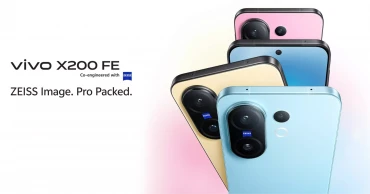
Vivo X200 FE Review: The Compact Champion Featuring Zeiss Cameras and a Massive Battery
Vivo has carved a name in the premium smartphone world with its innovative X series, known for flagship-grade cameras and sleek designs. The latest addition, the Vivo X200 FE, launched on 5 July 2025, continues this tradition with a powerful compact package built for performance lovers. Let's take a look at the main features, specifications, pros, cons and pricing of the Vivo X200 FE in Bangladesh.
Key Features & Specs of vivo X200 FE
.
Design and Build Quality
The Vivo X200 FE is a compact flagship that does not skimp on premium aesthetics or durability. With a sleek aluminium frame sandwiched between a glass front and back, it measures just 150.8 mm tall and weighs 186 g, perfect for one-handed use.
Its IP68/IP69 rating for dust and water resistance is a rare bonus at this size, even rivalling the rugged capabilities of Sharp Aquos R8s (which is MIL-STD-810G compliant) and exceeding the Motorola Razr 2025’s IP48 protection. While the Razr has a unique folding design and eco-leather finish, the X200 FE feels more solid and less gimmicky.
Compared to its bigger sibling, the Vivo X200, which is slightly larger and heavier (197–202 g), the X200 FE appeals to users seeking portability without compromising on materials. The colour options—Luxe Grey, Frost Blue, Amber Yellow, and Pink Vibe—add flair for those who care about visual appeal.
Read more: Tecno Spark 40 Pro Review: Budget Brilliance or Just Another Buzz?
Display Quality
The Vivo X200 FE packs a stunning 6.31‑inch LTPO AMOLED display with 1B colours, a 120 Hz refresh rate, 2160 Hz PWM dimming, HDR10+ support, and an incredible peak brightness of 5,000 nits. The visuals are vibrant and sharp (at 1216×2640 resolution, ~461 ppi) and remain clear even under intense sunlight.
In comparison, the standard Vivo X200 features a slightly larger 6.67‑inch AMOLED display with a similar 2160 Hz PWM and HDR10+, but peaks at 4,500 nits. While both are excellent, the FE’s brightness makes it unbeatable outdoors.
The Sharp Aquos R8s uses a PRO IGZO LTPO OLED panel with Dolby Vision support, but it peaks at just 1,300 nits, making it look dim beside the X200 FE in bright conditions. The Motorola Razr 2025’s foldable LTPO AMOLED screen is large (6.9″) and visually rich but peaks at 3,000 nits and feels more fragile due to the folding mechanism.
The X200 FE’s flat panel with Schott Xensation glass offers the best balance between performance, durability, and comfort for compact flagship seekers.
Read more: Best Smartphones Releasing in July 2025
Camera Performance
Vivo continues its imaging legacy with a powerful triple rear setup on the X200 FE: a 50 MP wide lens, a 50 MP periscope telephoto with 3x optical zoom, and an 8 MP ultrawide lens. Zeiss optics, laser autofocus, and Zeiss T* coating bring professional-level clarity and flare control. In daylight, shots are crisp, and the 50 MP selfie cam is a dream for content creators. Low-light performance is respectable, though the 8 MP ultrawide shows some soft edges and noise.
Compared to the Vivo X200, which carries a superior 50 MP ultrawide camera with autofocus and a more advanced main sensor with OIS, the FE falls slightly short in diversity and sensor depth. However, the FE still outperforms competitors like the Motorola Razr 2025 and Sharp Aquos R8s. The Razr’s dual-camera setup lacks the FE’s periscope lens and struggles in low light, while the Sharp’s 13 MP ultrawide feels outdated and delivers middling detail.
In video, the X200 FE records in 4K at 60 fps with HDR and gyro‑EIS, ensuring steady and vibrant footage—on par with most 2025 flagships. The Razr also shoots 4K, but the output lacks the vivid contrast and dynamic range Vivo's Zeiss partnership brings to the table.
Processor Performance
Under the hood, the Vivo X200 FE is powered by the MediaTek Dimensity 9300+ (4 nm), built for flagship-level multitasking and speed. It boasts an octa-core CPU with a high-performance 3.4 GHz Cortex-X4 core and Immortalis-G720 MC12 GPU. While it is slightly less powerful on paper than the Vivo X200’s Dimensity 9400 (3 nm) and Immortalis-G925 GPU, the FE still performs fluidly across all tasks.
Read more: vivo T4 Ultra Review: A Game-Changing Mid-range Flagship
In daily usage, you will barely notice the difference unless benchmarking is your thing. Compared to the Snapdragon 8 Gen 2 chip in the Sharp Aquos R8s, the Dimensity 9300+ is more energy-efficient and slightly faster in AI and multitasking tasks. Meanwhile, the Motorola Razr 2025's Dimensity 7400X, paired with a Mali-G615 GPU, feels a step behind in both general responsiveness and heavy app loads. For users who prioritise consistent flagship-grade speed without thermal throttling, the X200 FE remains ahead of both competitors.
Gaming Performance
Gaming on the Vivo X200 FE is a smooth affair. The combination of a powerful GPU, 12–16 GB RAM, and a high-refresh-rate AMOLED screen ensures a top-tier experience in games like Genshin Impact, PUBG, or Call of Duty Mobile. Thermal performance is well-controlled, though there’s minor warmth after extended play or fast charging sessions.
The Razr 2025, with its weaker GPU and foldable screen, is not built with hardcore gaming in mind. It struggles to maintain stable frame rates in graphically intensive titles. The Aquos R8s, though built on a Snapdragon 8 Gen 2, does not have a gaming-optimised cooling system and tends to throttle over long periods.
Here, the X200 FE, despite lacking the ultra-performance edge of the X200’s Dimensity 9400, still delivers a far more reliable gaming experience than its similarly priced rivals.
Read more: Infinix GT 30 Pro Review: Best Budget Gaming Phone with Flagship Features in 2025
Battery Life
One of the standout features of the Vivo X200 FE is its massive 6,500 mAh battery (outside Austria and Hungary). It is rare to see this capacity in such a compact phone. In real-world use, this means 1.5 to 2 days of battery life for moderate users and a full day for power users with heavy media consumption. When you do run low, 90 W fast charging refills the phone to 100% in just under 60 minutes.
By contrast, the Vivo X200 offers a smaller 5,800 mAh battery and similar 90 W charging speed—but drains quicker due to its larger display and more powerful processor. The Sharp Aquos R8s is limited by a 4,750 mAh battery and slow 15 W charging—totally outdated by 2025 standards.
The Motorola Razr 2025 also disappoints with a 4,500 mAh battery and 30 W charging (though it adds 15 W wireless support), but it cannot compete with the endurance the X200 FE delivers. Overall, the FE’s battery life is unmatched in this size class.
Software and User Interface
Running Android 15 with Funtouch OS 15, the Vivo X200 FE promises four major Android upgrades, keeping it future-proof until Android 19. Funtouch 15 is now lighter, more customisable, and smoother than previous versions, with fewer bloatware issues and cleaner UI animations. Features like RAM expansion, always-on display, and advanced camera controls are polished and useful.
Read more: Basic to Flagship: Top 5 Official Smartphones Released in Bangladesh in 2025
Compared to OriginOS on Chinese models of the X200, Funtouch is more user-friendly globally. The Motorola Razr 2025 runs near-stock Android 15, which some may prefer for its simplicity, though it lacks the smart features and customisation Vivo offers. Sharp Aquos R8s still runs Android 13, and software updates remain a weak point for Sharp’s phones—putting it behind both Vivo and Motorola.
Storage Options
The X200 FE offers up to 512 GB storage with 12 or 16 GB of LPDDR5X RAM and UFS 3.1 speeds. While UFS 4.0 would have been preferable (as used in the X200 and Aquos R8s), real-world speed differences are minimal unless you are moving massive files frequently. There is no microSD support—same as its competitors—but the high base storage helps offset that.
The Vivo X200 leads slightly with up to 1 TB storage and faster UFS 4.0, appealing to content hoarders and power users. Motorola Razr 2025, on the other hand, offers just 256 GB UFS 2.2—noticeably slower and more limiting. The Sharp Aquos R8s supports expandable storage via microSDXC, which is handy but can’t match the speed and integration of internal UFS storage.
Pros and Cons of vivo X200 FE
Pros
- Premium aluminum frame with IP68/IP69 rating- Compact 6.31-inch LTPO AMOLED display, 120 Hz refresh- Sharp and detailed triple rear camera with Zeiss optics- High-res 50 MP front selfie camera- Stereo speakers for rich audio- Infrared port and NFC included- Massive 6500 mAh battery with fast 90 W charging- Smooth performance with Dimensity 9300+ chipset- Bright 5000-nit screen, great for outdoor use- Up to 16GB RAM and 512GB storage.
Read more: Xiaomi Redmi Turbo 4 Pro Review: Can It Survive the Competition?
Cons
- No FM radio feature- No 3.5mm headphone jack- USB-C is still version 2.0- The ultrawide camera is only 8 MP and lacks autofocus- No wireless charging support
Price of vivo X200 FE
The Vivo X200 FE is priced at approximately BDT 87,000 in Bangladesh.
Verdict
The Vivo X200 FE is perfect for users seeking a compact phone with flagship cameras, long battery life, and a stunning display. However, those needing wireless charging, a headphone jack, or a powerful ultrawide camera should consider alternatives. It is a premium pick for on-the-go power users and content creators.
Read more: vivo iQoo Z10 Turbo Review: Is It the Mid-Range Beast You Are Looking For?
1 year ago

Honor launches AI-powered smartphone X6c in Bangladesh
Global technology brand Honor has officially launched its latest AI-powered smartphone, the Honor X6c, in the Bangladeshi market, aiming to redefine the entry-level smartphone experience with intelligent features and a durable design.
The launch event was held on Tuesday at Honor Bangladesh’s headquarters in Smart Tower, Dhaka. It was attended by senior company officials, including Country Manager Lang Guo, Deputy Country Manager Md Muzahidul Islam, and Head of Business Md Abdullah Al Mamun.
The Honor X6c stands out for its advanced Artificial Intelligence features, including a dedicated AI Button that offers quick access to Google Lens for object recognition, live translation, and smart search—enhancing day-to-day convenience and productivity. Another notable feature is the AI Eraser, which allows users to remove unwanted objects from images with just a few taps. The built-in AI Translation tool is designed to assist travelers and professionals in overcoming language barriers during real-time communication.
Lang Guo said, “We believe the future of mobile lies in intelligent features that serve real needs. With the Honor X6c, we aim to redefine what users can expect from a budget smartphone powered by AI.”
Md Abdullah Al Mamun described the X6c as “the smartest Honor smartphone ever,” highlighting its sturdy build quality, long-lasting battery, and smart functionality tailored for everyday users.
The smartphone comes with a 5300mAh battery supported by 35W fast charging. It features a 6.61-inch center punch-hole display with a 120Hz refresh rate and runs on MagicOS 9 based on Android 15. With an IP64 rating, the device offers water and dust resistance, as well as drop resistance up to 1.5 meters. It also includes an Ultra Power-Saving Mode that enables up to 60 minutes of talk time or nearly 14 hours of standby from just 2% battery life.
Available in Moonlight White, Ocean Cyan, and Midnight Black, the Honor X6c is priced at BDT 14,999 and includes a special gift package.
1 year ago

Nvidia to resume AI chip sales to China with U.S. approval
Nvidia CEO Jensen Huang announced that the company has received approval from the Trump administration to resume sales of its H20 artificial intelligence chips to China.
In a blog post late Monday, Nvidia stated that the U.S. government had “assured" it that licenses would be granted and the company “hopes to start deliveries soon.” Following the announcement, Nvidia shares rose over 4% by midday Tuesday.
Huang, currently in Beijing for a supply chain conference, also confirmed the development on China’s CGTN. “Today, I'm announcing that the U.S. government has approved for us filing licenses to start shipping H20s,” he said. Emphasizing China’s role in AI, Huang added, “It's so innovative and dynamic here in China that it's really important that American companies are able to compete and serve the market here.”
The H20 chip is a GPU designed to comply with U.S. export restrictions, and while less powerful than Nvidia's top-tier chips, it enables AI development. The Biden administration initially imposed restrictions on advanced chip exports, citing national security, a policy Trump continued in his second term.
Samsung electronics eyes turnaround in HBM segment amid AI surge
Huang recently met President Trump, whose administration reversed the H20 ban in what Commerce Secretary Howard Lutnick said was linked to a trade deal on rare earth magnets. Nvidia had warned the earlier restrictions could cost the firm $5.5 billion.
Lawmakers remain concerned. Last week, Senators Elizabeth Warren and Jim Banks urged further tracking of chip exports to prevent military use. AMD, facing similar curbs, also expects to resume sales of its MI308 chips as licenses are processed.
1 year ago
Tecno Spark 40 Pro Review: Budget Brilliance or Just Another Buzz?
Tecno, a brand synonymous with budget innovation, has steadily carved a niche in the affordable smartphone segment, especially in markets like South Asia and Africa. Their Spark series has long been known for offering impressive features at wallet-friendly prices. Released on 7 July 2025, the Spark 40 Pro continues this trend, promising upgrades in camera tech, processing power, and gaming experience. Let's delve into the specs, pros, cons and price of the Tecno Spark 40 Pro in Bangladesh.
Key Features of Tecno Spark 40 Pro
.
Design and Build Quality
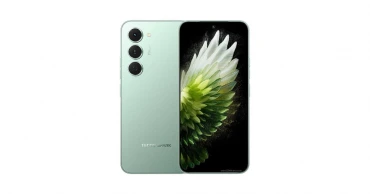
The Tecno Spark 40 Pro does not reinvent the wheel in terms of aesthetics, but it offers a refined look that feels more premium than its price would suggest. Its sleek curves, slim profile, and matte finish back make it comfortable to hold. You get color choices like Ink Black, Moon Titanium, Lake Blue, and Bamboo Green, which bring a fresh, youthful vibe.
When compared to the Tecno Spark 30 Pro, the 40 Pro comes with a more rugged build and higher water/dust resistance at IP64 (vs IP54), which adds a bit more durability. Though both models stick to plastic frames, the Spark 40 Pro feels more solid and less creaky.
Read more: Best Smartphones Releasing in July 2025
The Huawei Nova Y73 steps behind here with a slightly bulkier body and no stereo speakers. However, it does offer drop resistance up to 1.8 m, which is a nice bonus for clumsy users. Meanwhile, the Honor X70i, at just 7.3 mm thick and weighing 178.5 g, edges out all in terms of thinness and portability while also being IP65 certified, offering slightly better water resistance.
Display Quality
This is one of the biggest upgrades in the Spark 40 Pro. The 6.78-inch AMOLED panel with a 144 Hz refresh rate and PWM dimming is impressive at this price point. The resolution is bumped to 1220 x 2712 pixels, which results in around 439 PPI—sharper than both the Spark 30 Pro and the Honor X70i.
In contrast, the Spark 30 Pro features a similar AMOLED panel but with a slightly lower 120 Hz refresh rate and resolution (1080 x 2436), although it gets brighter with a 1700 nits peak. Still, the Spark 40 Pro edges ahead with smoother scrolling and crisp visuals.
Against competitors, Huawei Nova Y73 clearly lags with its 720p IPS LCD screen. The 90 Hz refresh rate and low pixel density (264 PPI) make it feel outdated next to the Spark 40 Pro. On the other hand, the Honor X70i's AMOLED panel is brighter (up to 3500 nits), offering richer visuals outdoors, though its refresh rate stays at 120 Hz.
Read more: vivo T4 Ultra Review: A Game-Changing Mid-range Flagship
Camera Performance
Tecno has scaled back slightly in the megapixel war with a 50MP main sensor in the Spark 40 Pro, compared to the 108MP unit in the Spark 30 Pro. However, in actual usage, the difference is not always noticeable. The 50 MP sensor on the Spark 40 Pro uses pixel binning and improved software to deliver well-exposed, detail-rich photos, especially in daylight. In low light, the dual-LED flash and HDR enhancements help, but it still shows grain in darker scenes.
For selfies, the 13 MP front camera with dual LED flash performs decently, producing natural skin tones and balanced exposure. It holds up well in video calls and casual content creation.
Compared to the Huawei Nova Y73, which also sports a 50MP sensor, the Spark 40 Pro offers better image clarity and more consistent colour accuracy, particularly in challenging lighting. The Nova's selfie camera, limited to 8 MP, also cannot match Tecno’s.
The Honor X70i, with its 108 MP sensor, performs better overall, especially in detail capture and sharpness. Its image processing is more mature, thanks to Honor’s superior computational photography software. However, the Spark 40 Pro still stands its ground surprisingly well in good lighting conditions.
Read more: Infinix GT 30 Pro Review: Best Budget Gaming Phone with Flagship Features in 2025
Processor Performance
The Spark 40 Pro runs on the MediaTek Helio G100 (6 nm) chipset—the same as its predecessor, the Spark 30 Pro. It is an octa-core processor with 2x Cortex-A76 and 6x Cortex-A55 cores. While this might seem like Tecno is playing it safe, the performance is consistent and efficient for the segment.
Basic multitasking, switching between apps, and even handling multiple social media apps or browser tabs is smooth. But when compared with Honor X70i, which is powered by the more powerful Dimensity 7025 Ultra, there is a clear performance gap. The X70i opens apps faster, handles heavier tasks with ease, and simply feels snappier.
The Huawei Nova Y73, on the other hand, comes with a dated Kirin 710A (14 nm) chip, which struggles under heavy load and is less power-efficient. So, the Spark 40 Pro sits nicely in the middle ground—better than Huawei, but below Honor.
Gaming Performance
Gaming on the Spark 40 Pro is decent, but do not expect flagship-level performance. Popular titles like PUBG Mobile, Call of Duty: Mobile, and Free Fire run well on medium graphics with stable frame rates. Thanks to the 144 Hz refresh rate display, games feel smoother, although the GPU (Mali-G57 MC2) cannot fully utilise the refresh rate in heavier games.
Read more: Basic to Flagship: Top 5 Official Smartphones Released in Bangladesh in 2025
Compared to the Spark 30 Pro, the experience is quite similar since both share the same chipset. However, slightly better thermal management and UI optimisation on the 40 Pro give it an edge in prolonged gaming sessions.
Huawei Nova Y73 is not ideal for gaming—it suffers from frequent frame drops in graphic-intensive games and gets warm quickly. In contrast, Honor X70i is clearly superior in this department. The Dimensity 7025 and IMG BXM-8-256 GPU combo allows for high settings in demanding titles and better FPS consistency, offering a near mid-range experience.
Battery Life
The 5200 mAh battery on the Spark 40 Pro ensures all-day usage even with heavy tasks. With casual use—browsing, streaming, light gaming—it can stretch into the second day. Charging is also improved with a 45W fast charger, which takes the battery from 0 to 50% in under 30 minutes.
It outpaces the 5000 mAh/33 W combo on the Spark 30 Pro and the 40W charger on the Huawei Nova Y73, despite the latter's larger 6620 mAh capacity, which takes significantly longer to recharge. The Honor X70i, although powerful, has a 6000 mAh battery and slower 35W charging, meaning it takes longer to juice up despite lasting long.
Read more: Xiaomi Redmi Turbo 4 Pro Review: Can It Survive the Competition?
In terms of battery optimisation, the Spark 40 Pro’s balance between display, processor, and software makes it one of the more efficient budget phones currently available.
Software and User Interface
Running Android 15 with HIOS 15.1, the Tecno Spark 40 Pro offers a smooth, clean user experience. Tecno has come a long way with HIOS—it is now more streamlined, less bloated, and more customisable. Features like smart panel, lightning multi-window, and gesture control improve usability.
There are still a few minor annoyances—pre-installed bloatware and occasional ad prompts—but far fewer than what older Tecno users might remember.
Compared to the Spark 30 Pro’s HIOS 14 and Huawei Nova Y73’s EMUI 12 (Android 12, no Google Play Services), the 40 Pro is clearly ahead in terms of OS version and long-term support. Honor X70i’s MagicOS 9, based on Android 15, is equally modern, with smoother animations and deeper system-level integration, but it is more resource-hungry.
Read more: vivo iQoo Z10 Turbo Review: Is It the Mid-Range Beast You Are Looking For?
Storage Options
Tecno gives users flexibility here with 128GB and 256GB storage options, both paired with 8GB of RAM and additional virtual RAM support. The best part? It supports microSDXC cards, which neither the Honor X70i nor the Huawei Nova Y73 offer.
This expandable storage is a win for content creators and media hoarders who do not want to rely solely on internal memory. Spark 30 Pro also offers the same configuration, but 40 Pro’s improved read/write speeds and file management enhancements make it feel faster in day-to-day use.
Pros and Cons of Tecno Spark 40 Pro
Pros
- Large 6.78-inch AMOLED display with 144Hz refresh rate.- High-resolution screen (1220×2712 pixels) for sharp visuals.- Comes with 8GB RAM and 128GB/256GB storage options.- Stereo dual speakers deliver rich sound.- Has an Infrared port for remote control use.- Big 5200mAh battery lasts long.- 45W fast charging powers up quickly.- Android 15 with clean HIOS 15.1 software.- Expandable storage via microSD card.
Read more: Motorola Edge 60 Pro Review: Know the Pros and Cons
Cons
- No support for 5G network.- Same old Mediatek Helio G100 chipset.- Camera downgraded from previous model (50MP vs 108MP).- Still comes with some bloatware.- No major design upgrade over Spark 30 Pro.
Price of the Tecno Spark 40 Pro in Bangladesh
The Tecno Spark 40 Pro is expected to cost around BDT 24,000 in Bangladesh for the 8GB+128GB variant.
Final Words
The Tecno Spark 40 Pro is ideal for budget-conscious users seeking a sharp display, long battery life, and solid daily performance. It is great for students, casual gamers, and content streamers. However, power users, mobile photographers, or those needing 5G connectivity should consider alternatives with faster chips and better cameras.
Read more: vivo V50 Lite Review: Does it offer value-for-money
1 year ago

Best Smartphones Releasing in July 2025
The month of July is here with its exciting deal of new smartphones for almost every budget range. From feature-heavy flagships to pocket-friendly powerhouses, the upcoming line of the best smartphones is ready to roll out the latest upgrades, futuristic designs, and innovative features to deliver more power and more freedom. Let’s have a peek at the list of the most-hyped smartphones coming in July 2025.
Top Smartphones Arriving in July 2025
.
Nothing Phone 3
The Nothing Phone 3, from the British manufacturer Nothing Technology Limited, is rumoured to be launched on July 1. While the company has kept silence about the phone's design, information about several of its key features has leaked. With a 6.7-inch LTPO OLED display and a 50MP secondary lens on the front and a primary camera module comprising a trio of 50MP sensors on the back, the phone is suspected to be an upper mid-ranger.
A Gen 4 octa-core Qualcomm SM8735 Snapdragon 8s, accompanied by an Adreno 825 GPU, hints at powerful performance. To back it, the phone will present a 5150 mAh battery with a lightning-fast 100W charging system. The design and other functionalities are supposed to be inspired by the signature NOTHING style.
Read more: vivo T4 Ultra Review: A Game-Changing Mid-range Flagship
OnePlus Nord 5
OnePlus Nord 5 has marked July 8, 2025, as its launch date. The phone will come wrapped in a unique design, combining a futuristically linear camera module, vertically placed at the left upper corner of the phone’s back, with a classic marble slab pattern on the flat rear panel. The primary camera module accommodates a wide 50 MP, an ultrawide 8 MP sensor, and a flashlight.
The secondary camera, which is a 50 MP sensor, is punch-holed in the display, a 6.83-inch full-HD+ AMOLED screen. The operations of the phone will involve a Snapdragon 8s Gen 3 SoC processor, up to 12GB of RAM, and a maximum of 512GB of storage, catering to high-end gamers and media bingers. Enhancing the experience, there will be a 7,300sq mm vapour chamber and a 5200 mAh battery.
OnePlus Nord CE 5
OnePlus’s second release, planned for July 8, 2025, will be the OnePlus Nord CE 5. By features, the phone seems to target the lower mid-range market as it will come with 8GB of RAM, a 50MP dual primary camera setup, a 16MP front lens, and a Mediatek Dimensity 8350 processor. By compromising a few crucial features, like a macro lens, a more powerful RAM and selfie camera, the phone has strived to provide a more gaming-friendly environment.
Read more: Infinix GT 30 Pro Review: Best Budget Gaming Phone with Flagship Features in 2025
With a super-responsive fluid AMOLED display and a massive 7100 mAh battery, the appeal of high-end gaming is alive in the phone.
Samsung Galaxy Z Fold 7 & Z Flip 7
To rock the world of Fold and Flip lovers, Samsung has arranged its next-to-release lineup with the Galaxy Z Fold 7 and Z Flip 7 models, coming on July 9, 2025. The Fold 7 will extend a much thinner structure, marking only 4.2 mm in thickness when unfolded. The 8.2-inch bendable LTPO AMOLED primary display and a cover display of the same panel will produce vivid visuals at higher resolutions and respond to touch at a 120Hz refresh rate.
Its design will be highly focused on multitasking. Fostering that expectation, the phone will exploit a 3nm Qualcomm SM8750-AB Snapdragon 8 Elite processor. Cooperating with the Adreno 830 GPU and 12 GB of RAM, the processor can pull up a solid experience for gamers, too. The primary set of cameras will feature an awe-striking 200 MP wide sensor with a 10 MP telephoto and a 12 MP ultrawide lens.
The Z Flip 7 will share the same primary display panel, processor, RAM, and GPU as the Z Fold 7 but differ by featuring a dual rear camera setup composed of a 50 MP wide and a 12 MP ultrawide sensor. With all these features, both phones may be really up for a great performative and visual experience, but they come up short in battery capacity, using around 4000 mAh batteries.
Read more: Basic to Flagship: Top 5 Official Smartphones Released in Bangladesh in 2025
Vivo X Fold 5 and Vivo X200 FE
Vivo is rolling up its sleeves in preparation for its next two big releases, the vivo X Fold 5 and the vivo X200 FE, coming between July 14 and July 19. Most about the vivo X Fold 5 is kept hidden, and no rumour seems to have gained access to it. Only through a few leaks, the possibility of an 8.03-inch LTPO AMOLED and a Snapdragon 8 Gen 3 processor is suggested. As per general expectation, the phone may have a triple 50MP camera module and a 6000 mAh battery.
With X200 FE, vivo will refresh its presence in the mid-range market, and amidst the current competition in that segment, the phone will make a good entry. Its armament is heavy with powerful features, like a MediaTek Dimensity 9300+ SoC, 12GB of RAM, a 50MP trio, and a 6500 mAh battery.
Motorola G96 & G86
Motorola’s aggressive domination in the budget-friendly segment grows in power as the company is all set to release two models back to back, the Motorola G96 and G86. Both phones will feature curved pOLED displays, which is extremely rare at this price. The arrangement of the primary and secondary cameras is also identical between them, comprising a 50MP wide and an 8MP macro lens on the back and a 32MP secondary camera on the front. Both phones are also designed for powerful performance delivery. The Motorola G96 will come with a Qualcomm Snapdragon 7s Gen 2 SoC, while the G86 will feature a Mediatek Dimensity 7300 chipset.
Read more: Xiaomi Redmi Turbo 4 Pro Review: Can It Survive the Competition?
Conclusion
The new smartphone lineup for July 2025 brings a powerful mix of innovation across all price segments, from futuristic foldables like the Galaxy Z Fold 7 to performance-packed budget options like the Motorola G96. Whether you're into style, gaming, or productivity, this month offers a smartphone that fits your needs and budget.
1 year ago

US judge allows antitrust lawsuit against Apple
A US federal judge on Monday rejected Apple’s bid to dismiss a government lawsuit accusing the tech giant of building illegal barriers to protect the iPhone from competition and inflate its profit margins.
US District Judge Xavier Neals of New Jersey issued a 33-page opinion that allows the antitrust lawsuit, filed by the US Justice Department 15 months ago, to move forward. He also set a timeline that could bring the case to trial in 2027, as reported by AP.
Apple had urged the court to throw out the lawsuit, arguing that the Justice Department misrepresented the smartphone market and made other legal errors.
However, Judge Neals ruled there is sufficient evidence to support the government’s market definitions and said the central allegations in the case deserve to be examined in court.
The Justice Department’s lawsuit seeks to challenge what it describes as a “walled garden” that Apple has built around its products, including the iPhone and iPad, by tightly integrating hardware and software. While Apple says this system benefits users, the government alleges it has turned into a shield against competition, enabling higher prices and stifling innovation.
The lawsuit “sets forth several allegations of technological barricades that constitute anticompetitive conduct,” Neals wrote. He added that prosecutors had presented enough concerns to raise the “dangerous possibility” that Apple has turned the iPhone into an illegal monopoly.
Apple alters EU app store rules to avoid fines
In response, Apple maintained its stance, saying, “The Justice Department's case is wrong on the facts and the law, and we will continue to vigorously fight it in court.”
The antitrust lawsuit is one of several legal challenges facing the California-based company, which reported \$94 billion in profits on \$295 billion in sales during its last fiscal year ending in September.
In April, a federal judge issued a civil contempt order barring Apple from collecting fees on in-app transactions processed through alternatives to its proprietary payment system, which previously charged commissions of 15% to 30%.
Apple is also facing the possible loss of more than \$20 billion in annual payments it receives for setting Google as the default search engine on its devices. That issue is part of a separate Justice Department antitrust case against Google, with a Washington, D.C. judge expected to rule on proposals to disrupt Google’s search monopoly.
Neals' decision on Monday came as Apple was also hit with a lawsuit from app developer Proton, echoing the allegations of anti-competitive conduct. Proton’s lawsuit seeks class-action status on behalf of thousands of app developers, punitive damages against Apple, and a court order to dismantle the company’s walled garden.
1 year ago

Apple alters EU app store rules to avoid fines
Apple has revamped its App Store policies in the European Union in a last-minute attempt to avoid further fines under the bloc's digital competition laws.
The move follows a €500 million ($585 million) penalty imposed by the European Commission in April for preventing app developers from directing users to cheaper purchasing options outside Apple’s App Store.
The Commission had given the tech giant a 60-day deadline, which expired on Thursday, to implement changes and avert additional periodic fines.
Under the new terms, Apple will make it easier for app developers to inform users about better deals on digital products and alternative payment options, including other websites, apps, or app stores.
The California-based company is also introducing a two-tier fee system to accommodate developers who choose to use alternative payment methods.
vivo T4 Ultra Review: A Game-Changing Mid-range Flagship
“The European Commission is requiring Apple to make a series of additional changes to the App Store," Apple said in a statement. "We disagree with this outcome and plan to appeal.”
The European Commission acknowledged Apple’s announcement and stated it “will now assess these new business terms for DMA compliance,” referring to the Digital Markets Act.
The DMA aims to curb the market dominance of major tech companies, with potential fines of up to 10% of their global annual revenue for non-compliance.
One of the DMA’s key provisions requires developers to inform customers of cheaper purchasing options and provide direct access to those offers.
Apple’s previous restrictions, which blocked developers from steering users to external payment channels, had drawn criticism from several companies, including Spotify, which removed its in-app payment feature to avoid paying commissions of up to 30% on digital subscriptions through iOS.
END/UNB/SA/1709hrs
1 year ago

Samsung electronics eyes turnaround in HBM segment amid AI surge
Samsung Electronics Company is exploring strategies to reclaim its leadership in the high bandwidth memory (HBM) market, following a recent decline in its position, according to sources familiar with the matter.
The efforts were discussed during the company’s biannual executive-level strategy meetings, held over three days. Led by division heads, the sessions reviewed regional and business-specific challenges, sales strategies, and performance goals for the latter half of the year.
Samsung sees revenue boost from smartphone sales despite chip slump
A key focus during Wednesday’s meeting—hosted by the semiconductor division—was HBM sales strategies and production schedules, amid soaring global demand fueled by the recent boom in generative artificial intelligence (AI), Yonhap reported.
Samsung’s HBM chips have reportedly failed to pass quality tests by Nvidia Corp., a critical player in the AI hardware sector. This shortfall has prevented Samsung from entering the global HBM supply chain, which is currently led by Nvidia, SK hynix Inc., and Taiwan Semiconductor Manufacturing Co. (TSMC).
Consequently, Samsung was overtaken by rival SK hynix in global DRAM market share during the first quarter of 2024. According to data from global market research firm Omdia, SK hynix’s market share rose to 36.9 percent, while Samsung’s dropped to 34.4 percent.
In response, Samsung is reviewing its plans to begin mass production of its next-generation HBM4 chips in the second half of the year—a move the company hopes will be a game-changer in regaining its competitive edge.
1 year ago