Leading cultural figures from South Asia and the United Kingdom have observed that the concept of a single cultural capital is becoming increasingly outdated as creativity, cultural exchange and artistic innovation increasingly flourish across networks of cities, communities, and cultures.
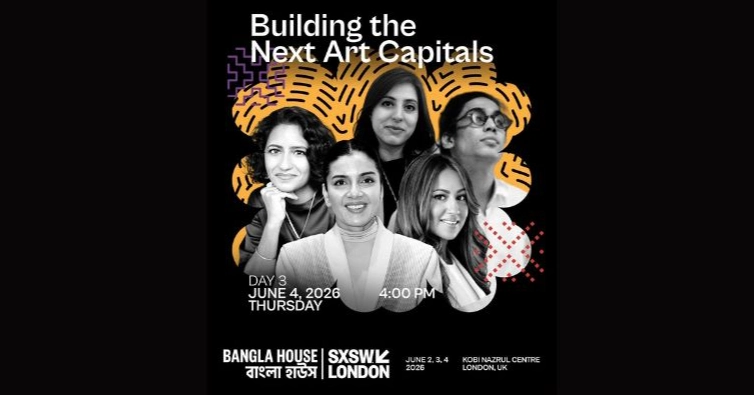
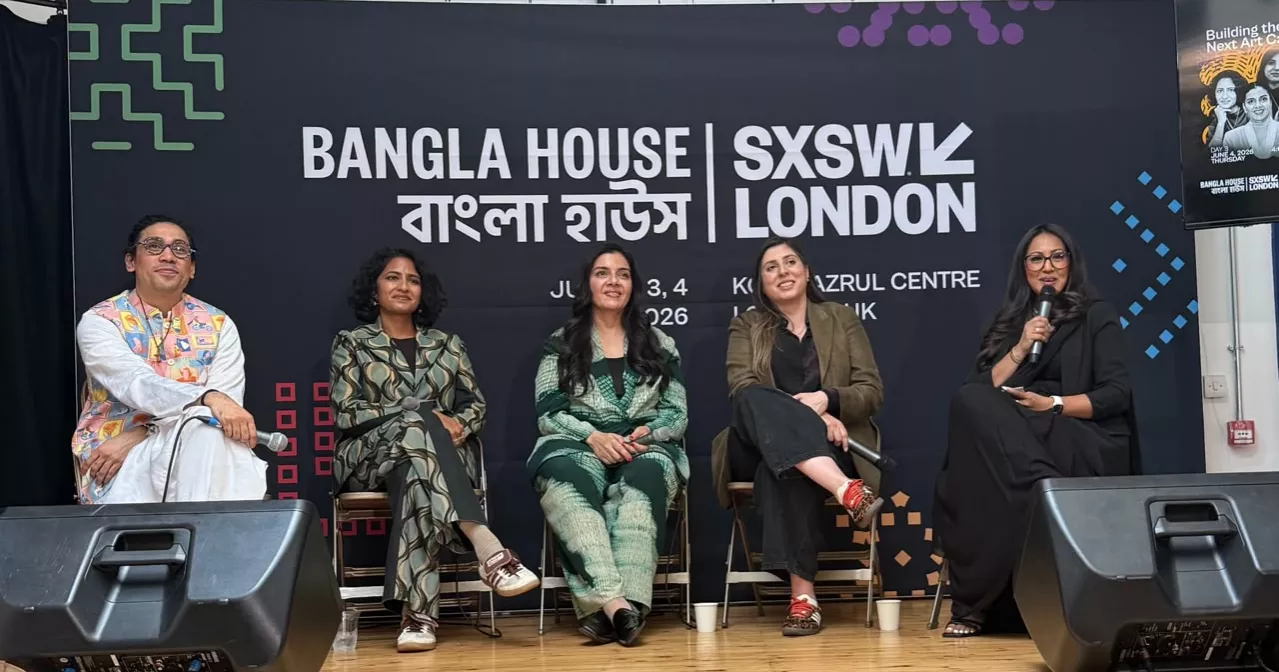
Speaking at a panel discussion titled “Building the Next Art Capitals” hosted at the Kobi Nazrul Centre in London on June 4, 2026, curators, art fair directors, and cultural entrepreneurs highlighted how collaboration and regional connectivity are reshaping the cultural landscape across South Asia and beyond.
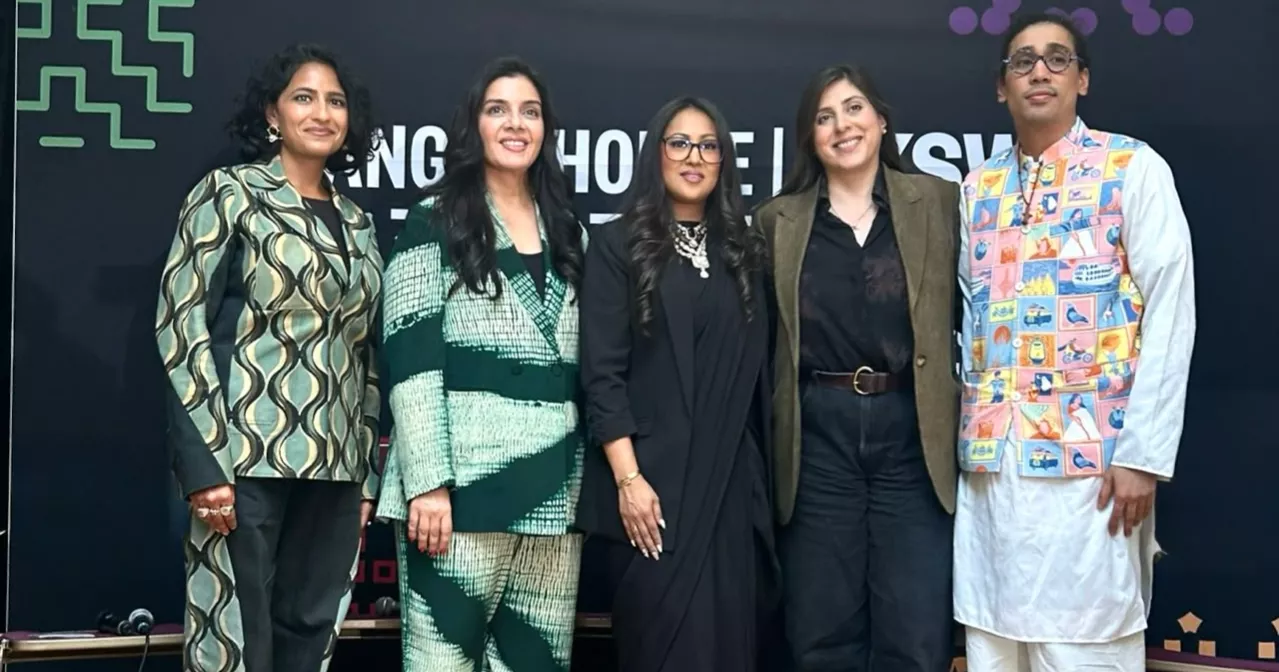
The discussion brought together Fahd Sattar, founder and CEO of Aloki and co-founder of Art Dhaka; Jaya Asokan, Fair Director of India Art Fair; Meneesha Kellay, Senior Curator at V&A East; and Nour Aslam, founder and Executive Director of the Art South Asia Project.
Nahar Khan, who works across media, culture, and is the founder of Solis, a multi-platform initiative spanning strategic insights and intelligence, convening and culture, curated and moderated the panel discussion.
Opening the session, the panel questioned whether the idea of fixed cultural capitals still holds relevance in a rapidly interconnected world, noting that cultural influence is increasingly emerging from distributed networks of cities, communities, and creatives.
Panelists noted that South Asian artists and cultural voices are playing an increasingly visible role in global conversations, reflecting the growing interconnectedness of cultures through migration, diaspora networks, and cross-border collaboration, making the contemporary cultural landscape more diverse and interconnected than ever before.
Rethinking Cultural Capitals Beyond Single Cities
The panel emphasized that cultural influence is no longer anchored in a single geographic centre, but shaped through interconnected creative networks.
They highlighted how South Asia exemplifies this shift, with artists and creatives contributing to global conversations while remaining grounded in local cultural contexts.