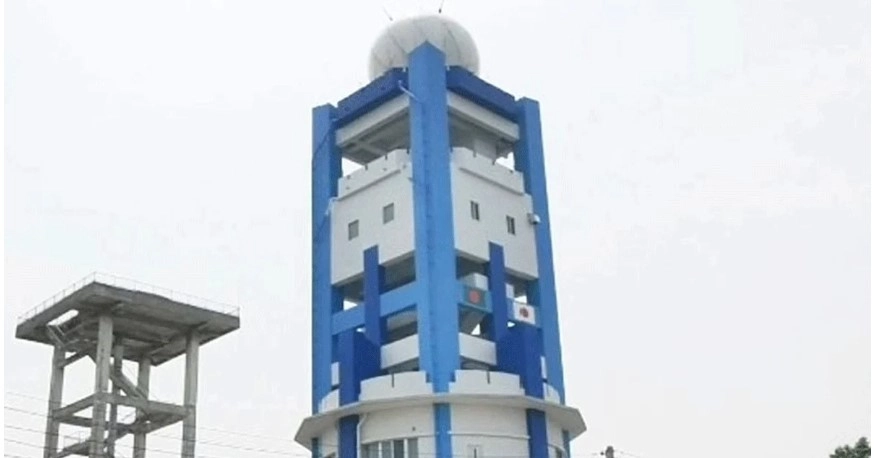
The weather pattern in the Rangpur region is gradually changing due to the impact of climate change.
Although the monsoon season is ongoing, intense heat similar to the month of Bhadro (spans from mid-August to mid-September) has made public life uncomfortable. A brief spell of rain a few days ago offered temporary relief, but the region is once again experiencing a mild heat wave.
Bridge without roads fails to benefit Rangpur farmers
Along with the rising temperature, frequent load shedding has worsened the situation, causing increased suffering for residents. Patients, students and working people have been the most affected.
According to the Rangpur Meteorological Office, the highest temperature recorded in Rangpur at 3:00 pm on Saturday was 35.8 degrees Celsius. During the same period, temperatures were recorded at 36.8 degrees Celsius in Tentulia of Panchagarh, 37 degrees in Syedpur, 36.5 degrees in Nilphamari and 35.5 degrees in Dinajpur, with a mild heat wave prevailing across these districts.
Meanwhile, the power situation in the Rangpur division has deteriorated due to supply shortages.
According to the Northern Electricity Supply Company (NESCO), the current demand for electricity in the region stands at 850 to 900 megawatts, while supply is around 700 megawatts. As a result, load shedding is being carried out in different areas to manage the shortfall.
Frequent power cuts have further intensified the heat, particularly affecting patients in hospitals.
HSC examinees are also facing difficulties in their studies due to irregular electricity supply. In Rangpur city, movement on roads was noticeably low around midday, with many residents staying indoors to avoid the extreme heat.
Locals said the unusual weather pattern has also led to a rise in seasonal illnesses, including fever, colds and coughs.
Meteorologist Mostafizur Rahman of the Rangpur Meteorological Office said there is a possibility of rain in the next two days. If it rains, temperatures may drop slightly, bringing some relief to the public.