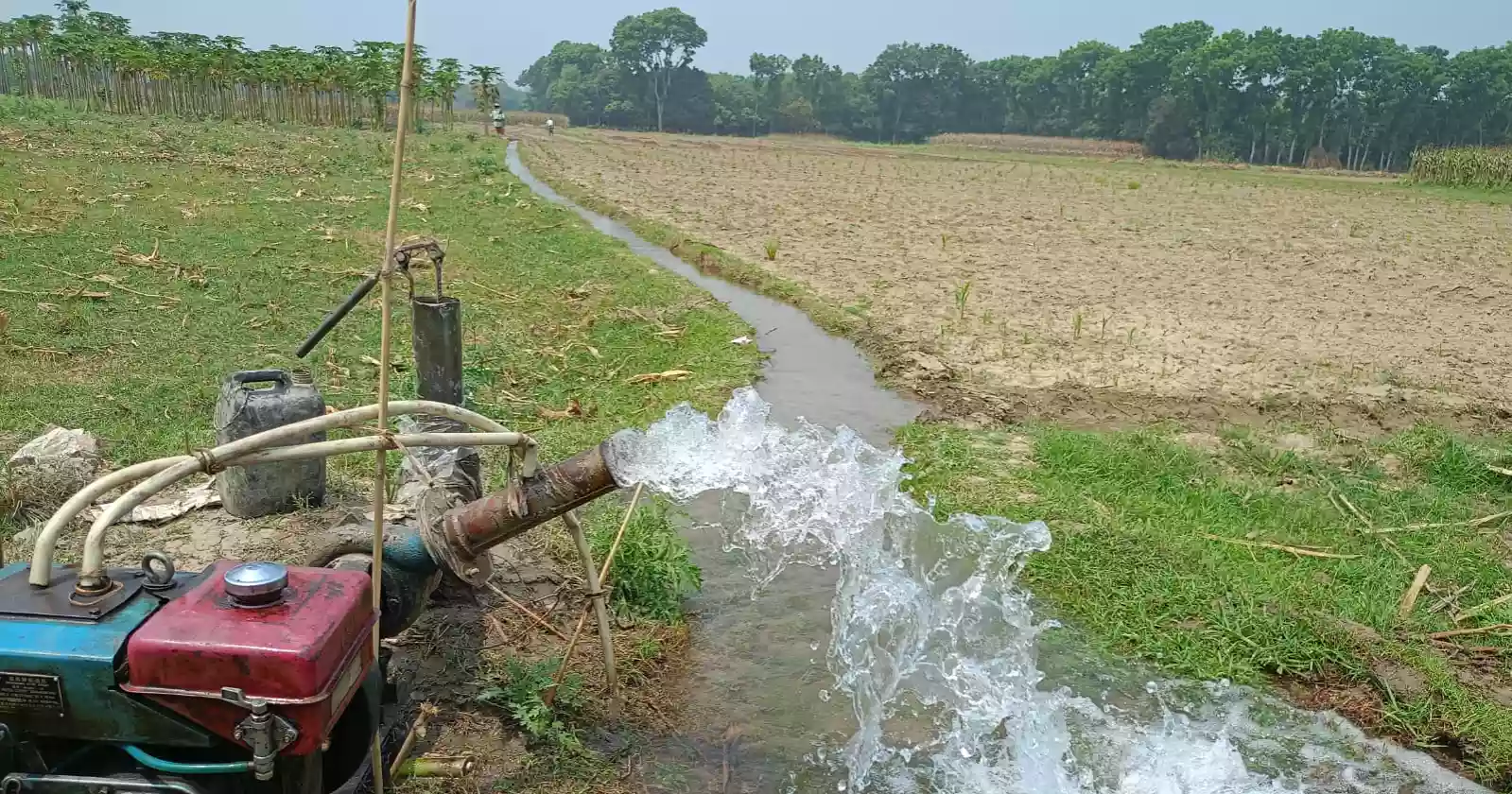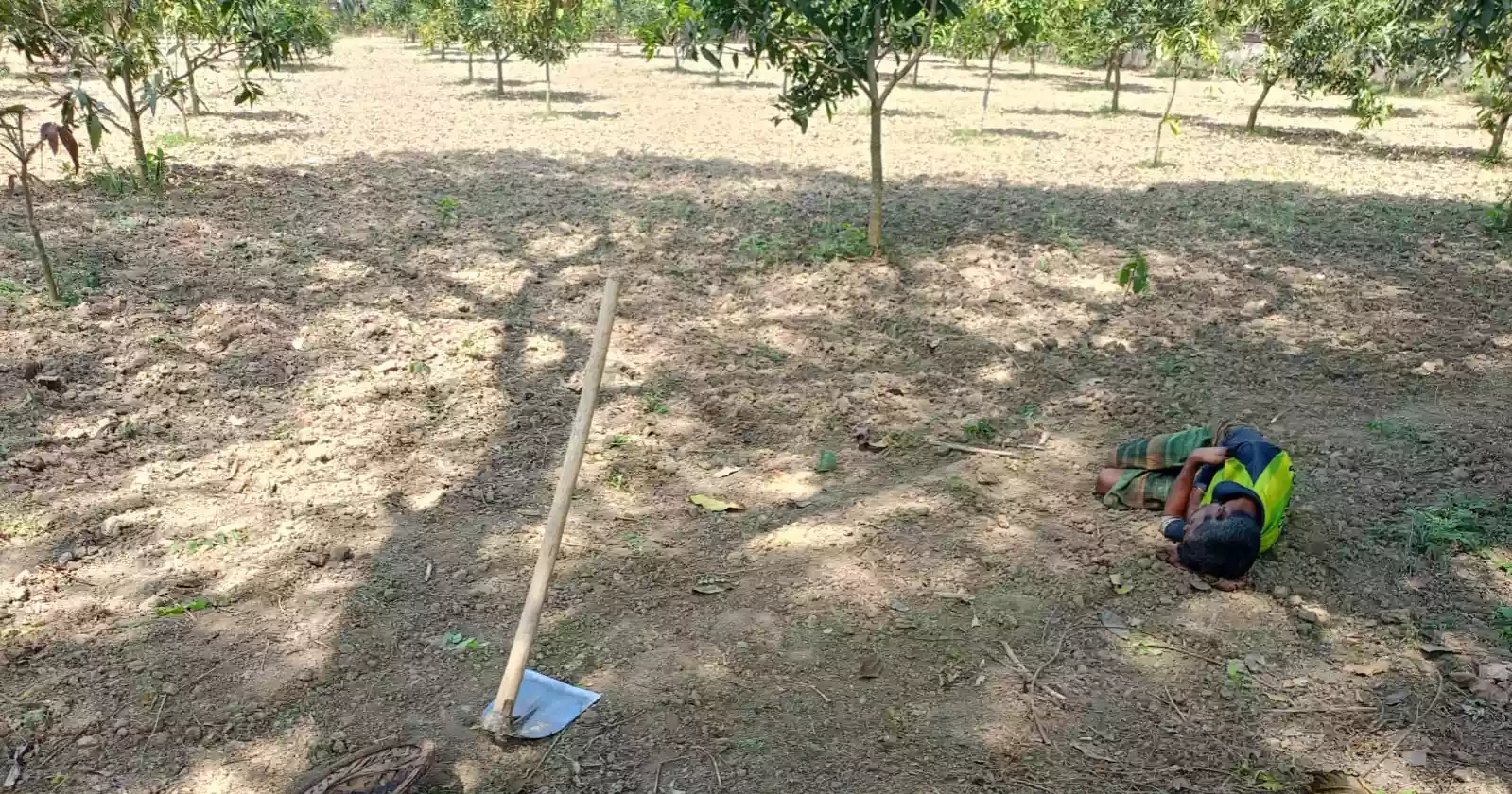
The western district of Chuadanga has been reeling from the escalating impacts of climate change, with farmers suffering losses worth ‘hundreds of crores of taka’ over the past five years.
Prolonged droughts, devastating storms and extreme cold spells have battered agriculture, livestock and fisheries, leaving thousands of families struggling to survive.
“Extreme heat is not just a seasonal inconvenience. Its impact is far reaching. As we see in Bangladesh that the rising temperature is affecting our health and productivity, and the country’s prosperity,” said Jean Pesme, The World Bank Division Director for Bangladesh and Bhutan.
Between April and June each year, temperatures now frequently soar between 36°C and 40°C, scorching farmlands and reducing yields.
Winters, on the other hand, have become unusually harsh, with temperatures plunging to record lows, compounding the stress on crops and livestock.
Worsening Climate Disasters
Chuadanga’s agricultural sector has been particularly hard-hit by repeated bouts of drought, storms and irregular rainfall. Major crops such as Boro paddy, wheat, maize, winter vegetables, tobacco, onions, bananas, papaya, betel leaves and fruit orchards have suffered extensive damage, with many farmers unable to recover before the next calamity strikes.
Disaster Preparedness: Govt to construct 90 three-storey cyclone shelters in 12 districts
Field surveys conducted by non-governmental organisations, including Wave Foundation and Riso, indicate that the scale of devastation may be far greater than official figures suggest. Their studies estimate that climate change is causing annual agricultural losses amounting to between Tk 200 crore and Tk 300 crore in the district.
The Department of Agricultural Extension (DAE) has reported significant losses over the last five years, with 2022 emerging as the most catastrophic year.