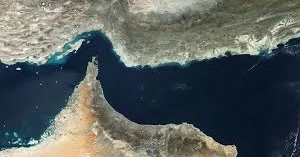
Iran has reopened the Strait of Hormuz to commercial shipping, but warned it could shut it again if the United States continues blocking Iranian vessels and ports.
In Beirut on April 18, officials said ships can pass through the key waterway—responsible for about 20% of global oil transport—but only along routes approved by Iran, indicating Tehran still maintains significant control. It remains unclear whether ships must pay fees. Data from a monitoring firm showed that traffic is still restricted to corridors requiring Iranian permission.
U.S. President Donald Trump stated that the American blockade will stay in place until Iran reaches a broader agreement with Washington, including over its nuclear program. Although he initially welcomed Iran’s move, he quickly clarified that the blockade would continue until negotiations are fully concluded.
Iranian leaders criticized the blockade as a breach of a recent ceasefire agreement and warned the strait could be closed again if U.S. restrictions persist. Since the blockade began, U.S. forces have reportedly turned back multiple Iranian ships.
Trump indicated that new talks with Iran could take place soon, after earlier discussions failed to produce an agreement, particularly over nuclear issues. Optimism around potential negotiations led to a drop in oil prices, amid concerns that continued disruption in the strait could worsen the global energy situation.
However, there were mixed signals within Iran itself, as some semi-official media outlets questioned the clarity and authority behind the decision to reopen the strait, suggesting it may still require approval from top leadership.
Meanwhile, a ceasefire between Israel and the Iran-backed Hezbollah group in Lebanon appeared to be holding, which could ease broader tensions and support diplomatic efforts. Still, uncertainty remains about whether all parties will fully adhere to the truce, especially with Israeli troops still present in southern Lebanon.
Despite the ceasefire, isolated violence continued, including an Israeli strike that caused casualties shortly after the truce began. Both sides have yet to confirm full compliance.
The broader conflict has caused thousands of deaths across multiple countries, and key sticking points in ongoing mediation include Iran’s nuclear program, control of the Strait of Hormuz, and compensation for war damages.
Trump also claimed Iran might concede on its enriched uranium stockpile—though this has not been confirmed by Iran or mediators.