Mobile phones in Iran were able to make some international calls on Tuesday, days after authorities shut down the internet and blocked overseas connections amid a nationwide crackdown on protests.
Several residents in Tehran managed to reach journalists at The Associated Press, though the AP bureau in Dubai said it could not call those numbers back. Iranians said text messaging was still not working, and witnesses reported that internet access remained cut off from the outside world.
Iran imposed the shutdown on Thursday as protests intensified across the country.
US President Donald Trump said Iran wants to negotiate with Washington after he warned of possible military action over Tehran’s handling of the protests. Activists say at least 646 people have been killed during the unrest.
Iranian Foreign Minister Abbas Araghchi told Qatar-based Al Jazeera in an interview aired Monday night that he has continued to communicate with US envoy Steve Witkoff.
The contacts “continued before and after the protests and are still ongoing,” Araghchi said, adding that Washington’s proposals and threats toward Iran are “incompatible.”
White House press secretary Karoline Leavitt said Iran’s public statements differ from the private messages the US administration has received in recent days.
“The president has an interest in exploring those messages,” Leavitt said. “However, the president has also shown he is not afraid to use military options if and when he believes it is necessary, and nobody knows that better than Iran.”
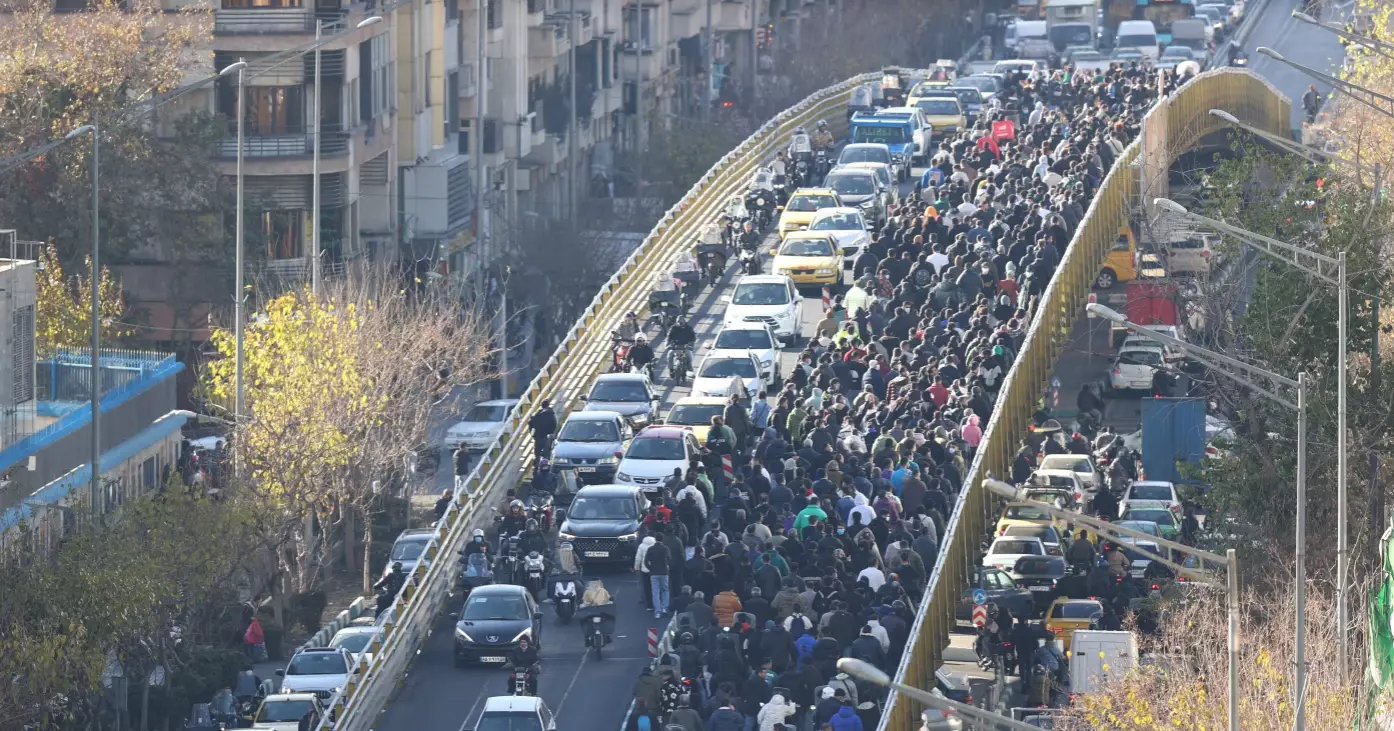
Meanwhile, large pro-government rallies took to the streets on Monday in a show of support for the ruling system after days of protests that directly challenged the leadership of 86-year-old Supreme Leader Ayatollah Ali Khamenei.
Iranian state television broadcast scenes of crowds, appearing to be in the tens of thousands, chanting slogans including “Death to America!” and “Death to Israel!” Others shouted, “Death to the enemies of God!”
What to know about Iran protests as government shuts down internet, phone networks
Iran’s attorney general has warned that anyone taking part in protests will be treated as an “enemy of God,” a charge that carries the death penalty.