world-business

Israel-Iran conflict exposes Asia's oil dependence, slow pace of clean energy transition
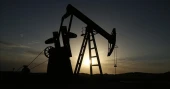
The war between Israel and Iran has underscored Asia's heavy reliance on oil and gas from the Middle East and its sluggish progress in transitioning to renewable energy — vulnerabilities made worse by the region's dependence on shipments passing through the Strait of Hormuz.
The Strait of Hormuz, bordering Iran, is a critical route for nearly 20% of global oil and liquefied natural gas (LNG) supplies. China, India, Japan, and South Korea collectively account for 75% of those imports.
According to research group Zero Carbon Analytics, Japan and South Korea are the most exposed to risks from disruptions in the strait, followed by India and China, all of which have been slow to scale up renewable energy.
In 2023, renewable energy contributed only 9% of South Korea’s electricity generation, significantly below the 33% average among OECD countries. Japan, meanwhile, remains the most fossil-fuel-dependent nation among the G7.
A fragile ceasefire following the 12-day Israel-Iran conflict has eased immediate concerns. But energy experts stress that reducing fossil fuel dependence and accelerating the transition to clean, domestic energy is the only long-term solution to mitigate these risks.
“These are serious threats that countries need to take into account when considering energy and economic security,” said Murray Worthy, a researcher at Zero Carbon Analytics.
Japan, South Korea most vulnerable
While China and India are the largest importers of oil and LNG through the Strait of Hormuz, Japan and South Korea face higher vulnerability due to their dependence on imported fossil fuels. Japan meets 87% of its energy demand through imports, while South Korea imports 81%, according to energy think tank Ember. In comparison, China imports 20% of its energy needs, and India 35%.
“When you combine the volume of energy flowing through the strait with the countries’ overall reliance on oil and gas, Japan ranks as the most vulnerable,” Worthy explained.
Global economies face uncertain future amid U.S. trade tensions
Roughly 75% of Japan's oil imports and over 70% of South Korea's oil imports — along with one-fifth of its LNG supply — transit the strait, according to Sam Reynolds of the Institute for Energy Economics and Financial Analysis (IEEFA). Both nations have prioritized diversifying fossil fuel suppliers over shifting to renewables.
Japan aims to meet 30-40% of its energy demand with fossil fuels by 2040 and continues to invest in new LNG infrastructure. South Korea plans to reduce its LNG share in electricity generation from 28% to 25.1% by 2030, with further cuts to 10.6% by 2038.
Experts say Japan and South Korea must significantly ramp up solar and wind installations to meet their 2050 net-zero targets. According to think tank Agora Energiewende, both countries need to add around 9 gigawatts of solar capacity annually by 2030. Japan also requires 5 gigawatts of new wind power each year, while South Korea needs 6 gigawatts.
However, Japan's energy policies have been criticized for lacking consistency. The country still subsidizes fossil fuels, supports overseas oil and gas projects, and faces regulatory hurdles in offshore wind development. Its hydrogen fuel initiatives, largely reliant on natural gas, have also drawn criticism.
“Japan hasn’t done enough. Their energy transition strategies are far from ideal,” said Tim Daiss of the APAC Energy Consultancy.
In South Korea, artificially low electricity prices limit profitability for solar and wind projects, discouraging investment in renewables. Reforms in energy pricing and stronger policy support are necessary to accelerate the transition, said Kwanghee Yeom of Agora Energiewende.
China, India making progress — but gaps remain
China and India have taken more steps to reduce their exposure to energy market volatility and trade disruptions.
China led global growth in solar and wind energy in 2024, with solar capacity increasing by 18% and wind by 45%. The country has also expanded domestic gas production, though its reserves are depleting.
China has managed to reduce LNG imports through increased domestic production, but remains the world's largest oil importer, with nearly half of its more than 11 million barrels per day sourced from the Middle East. Other key suppliers include Russia and Malaysia.
India remains heavily reliant on coal, with plans to increase coal production by 42% by 2030. Nonetheless, its renewable energy sector is expanding rapidly, adding 30 gigawatts of clean power last year — enough to supply nearly 18 million homes.
Chevron’s Javier La Rosa to lead portfolio across key global exploration and production assets
Diversifying oil imports from the U.S., Russia, and other Middle Eastern nations has helped lower India’s exposure to disruptions, but energy security still hinges on accelerating renewable deployment, said Vibhuti Garg of the IEEFA.
Wider risks across Asia
A blockade of the Strait of Hormuz would have broader repercussions across Asia, where many countries are now net oil importers. Building renewable energy capacity is seen as a key safeguard against the volatility of fossil fuel markets, said Reynolds of the IEEFA.
Southeast Asia has become a net oil importer as domestic production in countries like Malaysia and Indonesia fails to keep pace with growing demand, according to the ASEAN Centre for Energy. While the region remains a net LNG exporter due to output from Brunei, Indonesia, Malaysia, and Myanmar, demand is expected to outstrip supply by 2032, turning the region into a net LNG importer, says consultancy Wood Mackenzie.
Renewable energy growth is failing to keep up with soaring demand, and aging oil and gas fields are contributing to declining output.
The International Energy Agency warns that ASEAN's oil import bill could surge from $130 billion in 2024 to over $200 billion by 2050 without stronger clean energy policies.
“Clean energy is not only vital for addressing climate change — it is fundamental to national energy security,” Reynolds emphasized.
11 months ago
UK firms to be protected from cheap imports
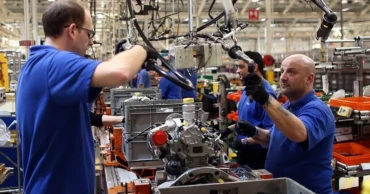
The UK government is to reveal a new plan for trade aimed at boosting exports and safeguard British companies from cheap foreign imports, especially during economic times.
It is also concerning that cars and steel predestined to be sold in US might be converted to UK shores as Donald Trump’s tariffs make it costly to sell in America.
The plan will be declared during the annual British Chambers of Commerce (BCC) conference in London on Thursday, reports BBC.
A one-sided trade strategy is difficult to achieve as it’s a matter of international give and take and is focused on strengthening offence and defence.
One offence strategy outlined is that there will be more government financial support for exporters, and help comprehending complex trade rules, whereas the significant part is defence particularly for cars and steel industries.
Asian shares mixed as markets take breather after recent volatility
Unlike the EU, the UK has not placed steep tariffs on electric vehicles made in China, and its existing protections against low-cost steel imports are set to end in 2026. Thus, a surge in Chinese cars could make it harder for UK manufacturers to compete.
The government is to highlight on boosting the UK's export of services, and showcase the recent achievement of a free trade deal with India following prolonged negotiations.
It will also focus to closer trading ties with the EU and being the first country to be in good terms with the Trump White House on tariffs.
However, Andrew Opie of the British Retail Consortium, which represents retailers, said that though the UK's trade deals were beneficial, the larger win for consumers would be "swift action" by the chancellor on abuse of the "de minimis" rule, which allow low-value packages to enter the UK tax-free.
Using such rules has increased in the past decade. Planned for consumers purchasing goods for personal use from abroad, some businesses have used it to avoid paying tax on their goods.
11 months ago
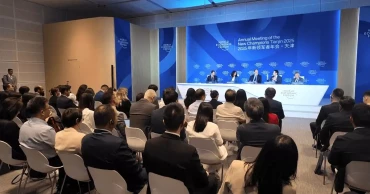
Global economies face uncertain future amid U.S. trade tensions
The 16th Annual Meeting of New Champions of the World Economic Forum, also known as the 2025 Summer Davos Forum, kicked off this week with a focus on navigating a rapidly changing global economic landscape.
Under the theme “Entrepreneurship for a New Era,” the three-day event has brought together over 1,700 influential leaders from more than 90 countries to discuss how innovation and emerging technologies can foster resilience and growth.
Uncertainty casts shadow on global economic outlook
Economists attending the forum expressed concern over mounting uncertainties that threaten to trigger a domino effect across the world, reports CGTN.
Paul Gruenwald, global chief economist at S&P Global Ratings, highlighted the difficulties faced by forecast institutions amid unpredictable geopolitical and economic conditions.
“Uncertainty has been the dominant theme this year, especially stemming from U.S. trade policies,” Gruenwald explained. “With high levels of uncertainty, firms are hesitant to invest, consumers are cautious with their spending, and markets are beginning to show signs of slowdown.”
He mentioned that this cautious environment hampers economic growth and complicates policymaking at an international level.
Asian countries, particularly China demonstrate resilience
Despite global turbulence, some economies, notably in Asia, are holding steady. Economists at the forum highlighted China’s robust performance, attributing its resilience to its vast manufacturing sector and consumer market.
Zhu Min, former deputy managing director of the International Monetary Fund, emphasized China’s significant role in the global economy. “China accounts for 30 percent of global manufacturing, with a population of 1.4 billion offering a substantial consumer base,” he said. “Additionally, the country boasts millions of engineers and a diverse range of application scenarios, creating a favorable environment for innovation and software development.”
According to estimates, China contributes approximately 60 percent to global economic growth this year, underscoring its importance in stabilizing the world economy amid widespread uncertainties.
Meanwhile, Chinese Premier Li Qiang urged the international community to take proactive steps toward fostering international trade and economic cooperation.
The global economic and trade system is becoming increasingly diverse, with the Global South rising rapidly, Li said, noting that while the growth of traditional trade is slowing down, emerging trade has grown against the odds.
Li also noted that, beyond affecting global institutions and increasing regional collaborations, the world is facing volatile declines in cross-border investment and rising risks of fragmented production and supply chains.
As the forum continues, discussions are expected to focus on how entrepreneurship and technological innovation can help economies adapt to the challenges ahead.
The 2025 Summer Davos Forum aims to foster dialogue on creating sustainable growth pathways, emphasizing the importance of collaboration and innovation in shaping the future economic landscape.
11 months ago

Chevron’s Javier La Rosa to lead portfolio across key global exploration and production assets
Javier La Rosa has been appointed to lead a broad Chevron portfolio which includes a number of the company’s key global assets.
According to a Chevron press release issued on Wednesday, La Rosa’s new role as president of Base Assets and Emerging Countries (BAEC), is effective July 1 and he will be based at Chevron’s Houston headquarters.
La Rosa will be responsible for the strategic leadership and overall performance of the BAEC organization, which includes heavy oil assets in the Partitioned Zone (located between Kuwait and the Kingdom of Saudi Arabia), San Joaquin Valley (California), and Venezuela; domestic gas assets in Bangladesh and Thailand; non-operated joint ventures in the UK, Canada and China; countries with emerging assets such as Egypt and Cyprus, and legacy assets such as Indonesia.
La Rosa’s appointment follows an announcement by Chevron Corporation (NYSE: CVX) in February this year, of the company’s efforts to simplify its organizational structure, execute faster and more effectively, and be positioned for stronger long-term competitiveness.
“I am honoured to be appointed to this new role. I believe the key to advancing and maintaining partnerships is trust. Partnerships between people, companies and countries are fundamental to providing reliable, affordable and ever cleaner energy,” said La Rosa.
Google Pay arrives in Bangladesh, pushing nation closer to a cashless future
In his previous role, Javier La Rosa was based in Buenos Aires, Argentina as managing director of Chevron Latin America. He has also led Chevron’s businesses in Venezuela, Brazil and Colombia, and Geothermal operations in Indonesia and the Philippines.
“I leave Argentina filled with optimism for the country and the region. I am confident that we will continue to advance the tremendous opportunities we see in Argentina’s Vaca Muerta shale play and in the region,” he said.
It’s worth mentioning that Eric Walker will continue in his role as President and Managing Director of Chevron Bangladesh.
11 months ago
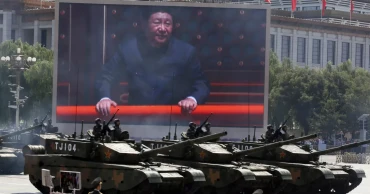
Beijing treads carefully as Iran-Israel war tests its Middle East strategy
When Israel launched strikes on Iran nearly two weeks ago, China — a longtime ally of Tehran — was quick to react, at least with words. Beijing condemned the attacks, Chinese President Xi Jinping held talks with Russia’s leader urging calm, and China's foreign minister reached out to his Iranian counterpart.
But beyond diplomatic statements, China offered no material assistance.
Despite its growing global ambitions and status as a major rival to the United States, Beijing avoided providing military support to Iran or becoming directly involved — highlighting its limited influence in the region.
“Beijing lacks both the diplomatic capabilities and the risk appetite to quickly intervene in, and to think it can successfully navigate, this fast-moving and volatile situation," said Jude Blanchette, director of the China Research Center at RAND.
China’s economic and energy stakes in the Middle East are significant, but its military presence is minimal, making Beijing reluctant to take risks, Blanchette noted. “The Chinese government opts to remain a measured, risk-averse actor.”
Commercial interests come first
Zhu Feng, dean of the School of International Relations at Nanjing University, said China sees instability in the region as a direct threat to its economy.
“From China’s point of view, the Israel-Iran conflicts challenge and impact China’s business interests and economic security,” Zhu said. “This is something China absolutely does not want to see."
Oil sells off as traders calmly look behind the attacks in the Middle East
When Iranian lawmakers recently proposed closing the vital Strait of Hormuz, Beijing immediately voiced opposition. “China calls on the international community to step up efforts to de-escalate conflicts and prevent regional turmoil from having a greater impact on global economic development,” said Chinese foreign ministry spokesman Guo Jiakun.
Following the ceasefire announcement, U.S. President Donald Trump took to social media, saying, “China can now continue to purchase Oil from Iran,” implying that the truce would safeguard Iranian oil exports.
A 2024 report from the U.S. Energy Information Administration estimates that up to 90% of Iran’s oil exports go to China, providing roughly 1.2 million barrels daily — a key supply to fuel China’s industrial sector.
Craig Singleton, a senior China expert at the Foundation for Defense of Democracies, summarized China’s approach as limited to “steady oil buys and ritual calls for ‘dialogue.’”
“That’s about it,” Singleton said. “No drones or missile parts, no emergency credit line. Just words calibrated to placate Tehran without rattling Riyadh or inviting U.S. sanctions.”
China’s cautious response reflects the gap between its global ambitions and actual influence in the Gulf. “China’s Gulf footprint is commercial, not combat-ready,” Singleton added. “When missiles fly, its much-touted strategic partnership with Iran shrinks to statements. Beijing wants discounted Iranian oil and a ‘peace-broker’ headline, while letting Washington shoulder the hard-power risks.”
Diplomatic support, but no deeper involvement
Since hostilities began, Beijing has stood by Iran diplomatically while promoting talks. China, which brokered a 2023 diplomatic thaw between Iran and Saudi Arabia, has consistently called for de-escalation.
At the United Nations, China, alongside Russia and Pakistan, submitted a draft resolution condemning attacks on Iran’s nuclear facilities and urging an immediate ceasefire. However, the proposal is expected to be vetoed by the United States.
After the Israeli strikes, Chinese Foreign Minister Wang Yi spoke with his Iranian counterpart, Abbas Araghchi, saying, “China explicitly condemned Israel's violation of Iran's sovereignty, security and territorial integrity.” Wang expressed Beijing’s willingness to maintain dialogue with Iran and “play a constructive role in de-escalating the situation.”
Brent crude dips below $70 amid Iran-Israel tensions
Wang also spoke with officials from Oman and Egypt, both key regional mediators. Meanwhile, Xi Jinping and Russian President Vladimir Putin discussed efforts to stabilize the region, though neither nation has directly intervened.
Iran is a key player in Xi’s Belt and Road Initiative and joined the China- and Russia-led Shanghai Cooperation Organization (SCO) in 2023, aimed at countering Western influence. Iran also participates in joint drills with China, including this year’s “Maritime Security Belt 2025” exercise with Russia in the Gulf of Oman. On Wednesday, Beijing is set to host a meeting of SCO defense ministers.
Despite Iran’s strategic role, China’s response is guided by broader priorities, according to the Soufan Center, a New York-based security think tank.
In an intelligence brief, the center noted that China’s support for partners confronting the U.S. remains “limited by a complex matrix of interests, including its desire to avoid alienating major economic partners and escalating tensions with the West."
Source: Agency
11 months ago
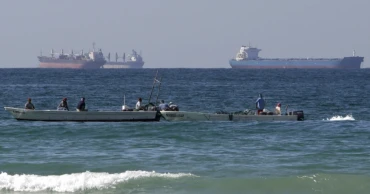
Oil sells off as traders calmly look behind the attacks in the Middle East
If oil prices are any indication, Iran may have backed down. Crude prices plunged Monday afternoon in a historic drop, as traders interpreted Iran’s strike on a U.S. base in Qatar as a sign that Tehran was not planning the one move that could inflict real damage on the U.S.—disrupting global oil supplies by targeting crude shipments.
“When the response comes and it is muted, oil drops,” explained Tom Kloza, chief market strategist at consultancy Turner Mason & Co. He described Iran’s measured retaliation as far less severe than many market participants had anticipated, calling the oil price slide comparable to some of the most significant selloffs in history.
While analysts acknowledge that Iran still has the capability to escalate tensions and push oil prices higher, the immediate fears in the market appear to have eased.
The likelihood of oil prices stabilizing increased further after U.S. President Donald Trump announced that Israel and Iran had agreed to a complete ceasefire, though uncertainty around the situation still lingered.
Scary then calm
The price of West Texas Intermediate (WTI), the primary U.S. oil benchmark, dropped by 7.2% to $68.51 per barrel during regular trading on Monday, following Iran's announcement that it had carried out a missile strike on Al Udeid Air Base in Qatar, a key U.S. military installation. Despite the attack, traders felt reassured after Iran stated that the strike matched the number of bombs the U.S. had dropped on Iran’s nuclear sites over the weekend — suggesting a possible willingness to reduce tensions.
Brent crude dips below $70 amid Iran-Israel tensions
Oil prices declined even further after President Donald Trump announced a “complete and total ceasefire” between Iran and Israel, set to take effect gradually over 24 hours. Early Tuesday, U.S. crude prices had fallen nearly 4% to $65.84 per barrel, now sitting lower than they were before the Iran-Israel conflict escalated over a week ago, when oil prices hovered just above $68 per barrel.
Traders were initially on edge when oil markets opened for the week on Sunday. Brent crude, the international oil benchmark, surged 4% as traders closely monitored the situation around the Strait of Hormuz — a critical waterway along Iran’s southern coast — following demands from lawmakers in Tehran to shut it down as retaliation. A closure of the Strait would have had devastating consequences for the global economy since a significant portion of the world's crude oil and liquefied natural gas passes through the area.
However, by early Tuesday, Brent crude had retreated to $68.06 per barrel, reflecting a 3.5% drop. This decline in oil prices benefits President Trump, who has been urging the Federal Reserve to shift its focus away from inflation concerns and start cutting interest rates. Lower oil prices could also bring relief to drivers ahead of the summer travel season, provided the downward trend holds.
Even before the U.S. strike on Iranian nuclear facilities, drivers were already paying more at the gas pump. According to GasBuddy surveys, the national average for gasoline reached $3.18 per gallon — an increase of about 10 cents over the past two weeks.
‘It would be suicidal’
Despite tensions, many traders were skeptical that Iran would attempt to close the Strait of Hormuz, even before its limited retaliatory strike on Monday. A significant amount of Iran’s own oil — approximately 1.5 million barrels per day — passes through the Strait, and crude exports remain a vital source of revenue for Tehran, which the government would likely avoid jeopardizing.
“It’s a foolish idea to think Iran would deliberately shut down the Strait,” said Tom Kloza, chief market strategist at Turner Mason & Co. “In my 50 years covering the oil sector, we’ve never seen the Strait of Hormuz successfully closed.” Vice President J.D. Vance also dismissed the idea during an interview on NBC’s Meet the Press, bluntly stating, “I think that would be suicidal.”
At the current market rate for oil, Iran earns around $40 billion annually from crude exports passing through the Strait — representing roughly one-tenth of the country's total economic output.
Hyundai’s US exports plunge amid tariff woes
Yes, but…
Houston-based oil analyst Andy Lipow pointed out that although history suggests Iran would avoid actions that block its own oil shipments, nations — much like individuals — don’t always act according to pure economic logic.
“The big question for oil markets is whether this time will be different,” Lipow said, cautioning that political or emotional factors might drive unexpected decisions. He added that Iran has several alternatives to disrupt oil markets without fully shutting down the Strait of Hormuz.
According to Lipow, Tehran could interfere with navigational systems to delay oil shipments, deploy underwater mines to force increased U.S. naval protection, or even target an oil tanker. Any of these moves would likely send shipping insurance costs soaring, driving oil prices higher.
Big gamble
Should market expectations prove wrong and oil prices surge again, the repercussions could be widespread.
Tianjin Port advances as China’s premier smart shipping hub
A sudden spike in oil prices would hit the global economy at a delicate moment. While Trump has been asserting that inflation concerns are largely over, many economists believe prices are still poised to rise, especially as the effects of his tariffs on everyday goods begin to surface.
Trump himself seems aware of the risks. Posting on Truth Social Monday, he ordered: “To The Department of Energy: DRILL, BABY, DRILL!!! And I mean NOW!!!” He added, “EVERYONE, KEEP OIL PRICES DOWN. I’M WATCHING!”
11 months ago
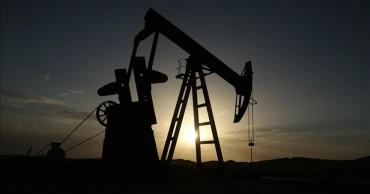
Brent crude dips below $70 amid Iran-Israel tensions
The price of Brent crude oil dropped below $70 per barrel on Monday for the first time since the latest round of hostilities between Iran and Israel began.
The decline came after Iran launched retaliatory attacks on Monday in response to US airstrikes over the weekend targeting three Iranian nuclear facilities. The strikes resulted in no casualties but triggered a sharp fall in oil prices, with Brent crude losing around 8.6% as of 0900 GMT.
In retaliation, Iran fired missiles at Al Udeid Air Base in Qatar, the largest American military installation in the Middle East.
US President Donald Trump, in a social media post, thanked Iran for providing advance notice of the attack, which he said helped avoid any casualties.
Stocks rise, oil drops as Wall Street hopes for limited US retaliation on Iran
“Perhaps Iran can now move toward peace and harmony in the region, and I will strongly encourage Israel to do the same,” Trump added.
At the time of reporting, Brent crude was trading at $69.40 per barrel, down 8.64%. Prices were at $65 earlier this month and surged to $77 during the peak of clashes last week.
Source: With inputs from Anadolu
11 months ago
IMF approves $1.3 billion of $4.7 billion loan program for Bangladesh
The International Monetary Fund (IMF) has finally approved a $1.3 billion disbursement of the third and fourth tranches of Bangladesh's $4.7 billion loan program.
As a result, it is set to receive a significant boost to its foreign exchange reserves, with the IMF approving the disbursement of US$1.3 billion from its ongoing $4.7 billion loan program.
This amount, covering both the third and fourth tranches, is expected to be deposited into Bangladesh's account on June 26.
Economist Abu Ahmed questions logic behind complying with all IMF conditions
The news was confirmed by Bangladesh Bank Governor Ahsan H. Mansur on Monday night, who stated, "We are receiving $1.3 billion. It has been approved by the IMF board today."
Sources from the Finance Division of the Ministry of Finance and Bangladesh Bank indicate that the approval came during a meeting of the IMF's Executive Board at its headquarters in Washington D.C., held late Monday Bangladesh time. During the meeting, reports from the third and fourth reviews of Bangladesh's loan program were presented and subsequently approved.
The IMF initially approved the $4.7 billion loan proposal for Bangladesh on January 31, 2023, for a period of three and a half years.
IMF finally agrees to release $1.3bn loan tranche for Bangladesh in June
At the time, the IMF stated that the loan program aimed to help Bangladesh maintain macroeconomic stability, protect vulnerable and marginalized populations, and foster inclusive and environmentally sustainable growth. The then-Awami League government had sought the loan primarily due to a widening current account deficit, depreciation of the Bangladeshi Taka, and declining foreign exchange reserves.
The release of these two tranches is expected to provide much-needed support to Bangladesh's economy, which has been grappling with external sector challenges.
11 months ago
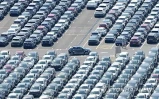
Hyundai’s US exports plunge amid tariff woes
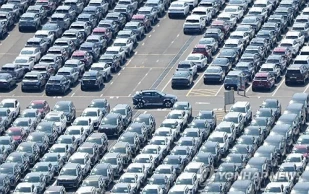
Hyundai motor company's vehicle exports from its US plant dropped significantly last month, according to industry data released Sunday, as the South Korean automaker steps up production realignment strategies in response to intensifying tariff pressures.
Hyundai Motor Manufacturing Alabama (HMMA), the company’s US production unit, exported just 14 vehicles in June, a dramatic fall from 1,303 units in the same month last year and 2,386 in May, Yonhap reported.
This marked the first time HMMA’s monthly exports fell below 100 units since April 2020, during the early phase of the COVID-19 pandemic. HMMA exported a total of 22,600 vehicles last year.
Industry insiders attributed the plunge to Hyundai’s production realignment strategy aimed at minimizing the effects of Washington’s tariff policies, which currently impose a 25 percent duty on all imported vehicles.
China's foreign trade demonstrates resilience despite challenging global environment
Hyundai motor, which exported 637,000 vehicles to the United States last year, is reportedly considering redirecting US-produced vehicles to the domestic market rather than exporting them overseas.
To reduce tariff exposure, the company previously announced plans to expand production capacity in the United States by increasing output at its Alabama and Georgia plants to meet local demand. Concurrently, it will cut production of US-bound models at Kia Corp.’s plant in Mexico.
"In order to minimize the impact of US tariffs, we have implemented measures to shift Tucson production from Mexico to HMMA and moved HMMA's Canadian-bound production to Mexico," a Hyundai official said during an earnings call in April.
Reflecting that shift, Hyundai shipped around 2,100 units of the Tucson crossover from Mexico in February. That number fell to 522 in March and has remained at zero since April.
11 months ago
Tianjin Port advances as China’s premier smart shipping hub
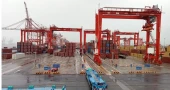
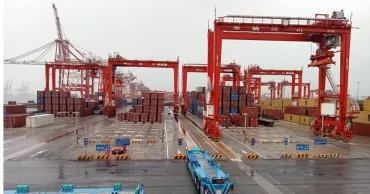
Tianjin Port, recognised as one of China’s leading modern comprehensive ports and the world’s highest-grade artificial deep-water port, continues to expand its global reach.
Connecting with over 500 ports across more than 200 countries and regions, it operates more than 40 sea-rail multimodal routes and 147 container shipping lines.
In recent years, the port has shifted its focus towards intelligent shipping services, transforming into a comprehensive port and logistics operator.
As part of the “China Up Close: Tianjin Tour,” journalists from various countries recently visited the port.
The visit was co-hosted by China Global Television Network (CGTN) and the Tianjin Municipal People's Government.
During the tour, journalists observed the port’s operations, which are powered entirely by clean energy.
In 2019, President Xi Jinping visited Tianjin Port and instructed authorities to digitalise the facility. Since then, the port has focused on implementing digital technologies, achieving automation across several sectors, according to a port official.
"We offer our partners online services through a single station, and many new methods are currently being trialled to enhance our service efficiency," said the official.
Feng Miao, Manager of Operation Management at Tianjin Port, said that the port utilises its own global navigation satellite system, BeiDou (BDS), for precise positioning and navigation.
Furthermore, all dispatching and instructions within the port are managed by Huawei, which has contributed to increased operational efficiency, he added.
Tianjin Port handles various types of cargo, including liquid bulk, general cargo, roll-on/roll-off (RoRo) vehicles, and containers, facilitating seamless connections with ports worldwide. The port is also equipped to manage specialised cargo such as metal ore, coal, oil, automobiles, steel, and grain.
11 months ago