Health-&-Fitness

Surprising health benefits of walking barefoot at home
In many cultures, including those in Asia, removing shoes before entering a home is a common practice, particularly in households with carpeted floors. However, few people realise that walking barefoot indoors may offer notable health advantages.
Dr Robert Conenello, a certified clinical podiatrist, explained to HuffPost that walking barefoot helps strengthen the intrinsic muscles of the feet. These muscles naturally weaken over time due to ageing and frequent shoe use, making barefoot walking an effective way to maintain foot health.
Dr Conenello strongly advocates for the practice, emphasising the connection between foot muscles and overall mobility. He noted that reduced foot strength can lead to limited movement as people grow older. “Many of the conditions I treat stem from the inability to properly engage these muscles for normal movement and metabolic efficiency,” he said.
Beyond strengthening the feet, walking without shoes also benefits the skin. Dr Hannah Kopelman, a dermatologist, highlighted that it allows the skin to breathe, reducing moisture buildup and the likelihood of fungal infections such as athlete’s foot. She also pointed out that going barefoot can have a calming effect, similar to a mini reflexology session.
Remnant Cholesterol and its impact on heart health
“For those without pre-existing foot or skin conditions, this practice can serve as a natural way to connect with the surroundings and encourage mindfulness,” she explained.
Despite the benefits, there are some drawbacks. Walking barefoot may expose the feet to irritants, allergens, sharp objects, or cleaning chemicals on the floor.
Individuals with chronic skin conditions, such as eczema or dermatitis, may be particularly vulnerable. However, Dr Conenello recommended a simple solution—washing and thoroughly drying the feet before applying moisturiser.
Another concern is foot fatigue or joint discomfort, particularly for those who stand for long periods, such as while cooking. To minimise strain, Dr Conenello advised wearing supportive footwear when standing for extended durations. Wearing socks can also help by creating a protective barrier between the feet and the floor.
This is for informational purposes only and should not be considered medical advice.
1 year ago

Ramadan 2025: Five tips for mental and emotional well-being while fasting
The holy month of Ramadan is set to begin, observed by Muslims worldwide through fasting from dawn to dusk, prayers, and acts of charity.
While the focus is often on the physical aspects of fasting, it is equally important to prioritise mental and emotional well-being throughout the month.
Speaking to HT Lifestyle, Nausheen Shaikh, a nutritionist and diet consultant at Alyve Health, emphasised the importance of holistic well-being during Ramadan. “While fasting primarily impacts physical health, it is essential to recognise its mental and emotional effects. Ramadan offers a unique opportunity to enhance mental well-being alongside spiritual growth,” she noted.
Here are five strategies to help maintain mental and emotional balance while fasting:
Maintain a structured routine
Having a well-organised daily schedule can help regulate your body clock and create a sense of stability. Set aside time for sleep, prayers, cooking, and relaxation. Effective time management is crucial for ensuring a smoother and more fulfilling Ramadan experience.
Stay hydrated and eat nutrient-rich foods
Proper hydration and balanced nutrition significantly impact mental health. Although fasting requires abstaining from food and drink during daylight hours, consuming sufficient water and wholesome meals during non-fasting periods is essential. Dehydration and poor nutrition can lead to fatigue and mood fluctuations.
Acknowledge challenges
Recognising potential difficulties in advance can ease stress and anxiety. List any challenges you anticipate during Ramadan, which will allow you to create a practical approach to managing them. Having a structured plan can provide reassurance and prevent overwhelming situations.
Manage stress, fear, and anxiety
Ramadan can be both spiritually rewarding and physically demanding. Monitor your mood on a scale of 1 to 10 and keep a list of activities that lift your spirits. Listening to the Quran, stretching, or making Eid cards for loved ones can help maintain a positive mindset.
Focus on what you can control
Identify stressors that are within your control and those that are not. Practising patience and self-compassion is vital, as fasting challenges both the mind and body.
This article is for informational purposes only and should not replace professional medical advice.
With inputs from Hindustan Times
1 year ago

How to Stay Safe from Devil's Breath
Several alarming incidents have recently been reported in Dhaka, where unsuspecting pedestrians became victims of criminals using "Devil's Breath." According to eyewitness accounts, strangers approached passersby, asking for directions while holding slips of paper with addresses written on them. Moments later, victims reportedly lost awareness, willingly handing over valuables to the perpetrators without resistance. Authorities have expressed growing concern over the rising frequency of crimes involving this substance, known to swiftly incapacitate individuals, making them easy targets for robbery and theft.
What is Devil’s Breath?
Devil’s Breath, also known as scopolamine or burundanga, is a powerful and dangerous drug derived from the seeds of the Borrachero shrub, common in the South American country of Colombia. The drug is a tropane alkaloid with potent anticholinergic effects, often used by criminals to incapacitate victims, rendering them highly suggestible and unable to resist.
When administered in large doses, it causes amnesia, confusion, hallucinations, and loss of free will, making victims easy targets for robbery, assault, or even worse crimes. Unlike common misconceptions, Devil’s Breath is typically ingested through food or drink rather than being absorbed through the skin or inhaled. The drug blocks muscarinic receptors in the brain, disrupting cognitive functions and leading to severe disorientation.
Read more: Should You Drink Hot or Cold Water?
In medical settings, scopolamine is used in small doses to treat motion sickness, nausea, and gastrointestinal disorders, but when misused, it becomes a dangerous tool for criminals. Victims often wake up with no memory of the events, making it difficult to report or prosecute the crimes.
How to Stay Safe from Devil’s Breath?
.
Be Cautious with Strangers
Criminals often pose as friendly individuals to gain your trust. They may offer assistance, ask for directions, or hand you an object laced with the substance. You should avoid accepting anything from strangers, especially in unfamiliar environments. If someone insists on handing you something, politely refuse and walk away.
Never Accept Food or Drinks from Strangers
One of the most common methods of administering Devil’s Breath is by spiking food or beverages. If you are in a public place such as a nightclub, or restaurant, always keep an eye on your food and drink. It is important to never accept drinks or food from strangers, and if you leave your drink unattended, discard it immediately.
Read more: How to Fix Your Sleep Routine: Know the Do's and Don'ts
Stay Alert in Crowded Places
Busy environments such as public transport stations, markets, and tourist attractions provide an ideal setting for criminals to operate unnoticed. You need to be aware of your surroundings and stay vigilant. If you feel dizzy, disoriented, or excessively drowsy, seek help immediately from a trusted individual or law enforcement officer.
Use Secure Transportation
Unlicensed taxis and unverified ride-sharing services pose significant risks. Many cases of Devil’s Breath-related crimes involve victims being drugged in unauthorized vehicles. So, it is highly recommended to always use official transport services, verify the driver’s identity, and avoid getting into a vehicle with strangers, especially at night.
Travel in Groups
There is safety in numbers. Traveling with friends or family reduces the likelihood of being targeted. If you must go out alone, inform someone of your whereabouts and estimated return time. Also, you should avoid isolated areas and stay in well-lit public spaces.
Read more: How to Stay Safe from Snakes During and After Flood
Wear a Face Mask or Cover Your Nose and Mouth
Since Devil’s Breath can be administered in powdered form and blown into a victim’s face, wearing a mask provides a protective barrier. If you suspect someone is trying to use this method on you, cover your nose and mouth immediately and leave the area.
Trust Your Instincts
If a situation feels unsafe or someone’s behavior seems suspicious, you should remove yourself from the environment immediately. It is better to avoid engaging with strangers who make you uncomfortable and do not hesitate to seek help if needed.
Secure Your Home and Accommodation
Criminals may use Devil’s Breath in home invasions by blowing it through windows or air vents. It is necessary to ensure that doors and windows are locked, especially at night. If staying in a hotel or Airbnb, confirm that the place has adequate security measures in place.
Read more: Effective Home Remedies to Combat Bad Breath
Be Mindful of Personal Items
Try to avoid handling unfamiliar objects given to you by strangers. Items such as business cards, flyers, money, or papers could be laced with Devil’s Breath. If you must handle such objects, wash your hands thoroughly afterward and avoid touching your face.
Avoid Public Displays of Wealth
Carrying large amounts of cash, expensive jewelry, or high-end gadgets makes you a target. Criminals are more likely to use Devil’s Breath on individuals they perceive as wealthy. It would be better to opt for digital payments and keep valuables concealed in public places.
Stay Informed and Educate Others
Knowledge is one of the best defenses against criminal activities. Stay updated on reports of Devil’s Breath incidents in your area and share safety tips with friends, family, and colleagues. Awareness helps prevent more people from falling victim.
Read more: How to Teach Students to Accept and Overcome Academic Failures
Have Emergency Contacts Ready
It is a must to save emergency numbers in your phone and keep a physical copy as well. In case of an emergency, you should be able to reach out to law enforcement, medical services, or a trusted friend or family member.
Know the Symptoms of Exposure
If you suspect you have been exposed to Devil’s Breath, recognizing the symptoms early can be life-saving. Symptoms include confusion, dizziness, hallucinations, dry mouth, blurred vision, and loss of muscle control. If you experience these effects, seek medical help immediately and inform healthcare providers of the suspected exposure.
Seek Medical Attention Immediately
If you or someone you know has been drugged, get medical assistance as soon as possible. Time is critical, and healthcare professionals can provide necessary treatment to minimize the effects. It is suggested to avoid going home alone, as symptoms may worsen over time.
Read more: Strategies for Cooling Your Roof During Intense Summer Heat
Report Suspicious Activity
If you encounter suspicious individuals or situations that suggest an attempted Devil’s Breath attack, report them to the authorities. Providing information can help prevent future incidents and protect others.
Final Words
Staying safe from Devil’s Breath requires awareness, vigilance, and preventive measures. By being cautious with strangers, securing your belongings, and recognizing the signs of exposure, you can reduce the risk of becoming a victim. Always trust your instincts, seek medical help if needed, and educate others about the dangers of this dangerous substance. Your safety and well-being depend on your preparedness and awareness.
Read more: Circadian Rhythm: How to Reset the Biological Master Clock
1 year ago

Remnant Cholesterol and its impact on heart health
Cholesterol plays a crucial role in assessing heart health, as it is a key factor in cardiovascular medical tests. While LDL cholesterol, often termed "bad cholesterol," is widely recognized, emerging research suggests that another type—remnant cholesterol—may be a more precise indicator of heart attack and stroke risk.
What is Remnant Cholesterol?
Dr Sandeep Khasa, a cardiologist at Ujala Cygnus Group of Hospitals, explains that remnant cholesterol is found in the remnants of lipoproteins left after triglycerides are extracted from very low-density lipoproteins (VLDLs). Unlike LDL cholesterol, which primarily transports cholesterol to tissues, remnant cholesterol is more likely to contribute to arterial plaque buildup, making it highly atherogenic.
Why is Remnant Cholesterol Significant?
Elevated levels of remnant cholesterol are strongly linked to an increased risk of cardiovascular diseases, even in individuals with normal LDL cholesterol levels. According to Dr. Khasa, this is due to the behavior of remnant lipoproteins, which are more prone to accumulating in arterial walls, triggering inflammation and plaque formation—key contributors to atherosclerosis. Unlike LDL cholesterol, these lipoproteins tend to persist longer in the bloodstream, increasing the risk of arterial damage.
Study reveals why brain inflammation in Alzheimer’s differs from regular infections
How Does It Impact Heart Health?
Given its strong association with cardiovascular issues, doctors are increasingly considering remnant cholesterol in heart disease risk assessments. Managing its levels may require lifestyle changes, including a heart-healthy diet, regular exercise, and, in some cases, medication. Dr. Khasa emphasizes that incorporating remnant cholesterol into standard cholesterol tests can lead to early intervention, helping prevent heart attacks and strokes.
By recognizing the significance of remnant cholesterol, healthcare providers can take proactive measures to safeguard heart health.
Source: with inputs from Hindustan Times
1 year ago

Study reveals why brain inflammation in Alzheimer’s differs from regular infections
A new study has shed light on the differences between how the immune system responds to Alzheimer's-related inflammation compared to infections.
While inflammation is a key immune response, in Alzheimer's disease, it becomes chronic and harmful rather than short-term and protective. Researchers have been working to understand why this prolonged immune reaction occurs.
The findings, presented at the 69th Biophysical Society Annual Meeting in Los Angeles, highlight crucial variations in immune activity when exposed to Alzheimer’s-related proteins versus bacterial infections.
How the immune system reacts
The research focuses on how immune cells respond to amyloid-beta (Ab) plaques, a defining feature of Alzheimer's, and how this differs from their reaction to bacterial toxins. "Bacteria cannot directly enter the brain due to the blood-brain barrier," explained Arpan Dey, PhD, a postdoctoral associate at the University of Cambridge. "However, small proteins might be mimicking bacterial activity in the brain, triggering inflammation that contributes to dementia."
Dey and his colleagues used immune cell models and exposed them to either Ab aggregates or lipopolysaccharide (LPS), a bacterial toxin that strongly activates immune responses. They specifically studied the formation of myddosomes, structures that play a key role in initiating inflammation.
Can sleep position affect your heart and brain health?
Their results showed that larger Ab clusters prompted significant myddosome formation, whereas smaller clusters failed to do so even after prolonged exposure. This suggests that the size of Ab aggregates is a crucial factor in triggering an immune response in Alzheimer’s.
On the other hand, LPS caused a much faster and more intense myddosome reaction than even the largest Ab clumps. This difference in speed and strength may explain why inflammation in Alzheimer’s is persistent and prolonged, whereas infection-related inflammation is typically brief and resolves quickly.
"Our research highlights a fundamental difference in how the brain’s immune system reacts to bacterial infections versus amyloid-beta aggregates," said Dey. "The slower, sustained immune activation in Alzheimer’s may be a key factor in its chronic inflammation."
The researchers now plan to investigate myddosome markers in blood samples from dementia patients and brain tissue from the UK Brain Bank. By uncovering the mechanisms behind Alzheimer’s inflammation, they hope to aid in the development of treatments targeting chronic neuroinflammation.
"This study opens new possibilities for drug discovery," Dey added. "By identifying and targeting inflammatory pathways, we may develop therapies to slow the progression of Alzheimer’s and other neurodegenerative diseases."
Source: with inputs from Indian Media
1 year ago
Can sleep position affect your heart and brain health?
There's no question about whether sleep is important for heart and brain health. Study after study has shown that it is.
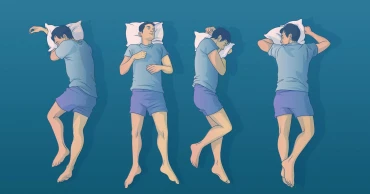
Questions about the importance of how you sleep – on your back, on your side, on your stomach – haven't been asked nearly as often. But experts say sleep position can indeed matter, at least in some situations.
In general, sleep position is a matter of personal preference, said Dr. Rachel Salas, a sleep neurologist at the Johns Hopkins Center for Sleep and Wellness in Baltimore.
Initially, she said, it's like Goldilocks: People gravitate toward whatever feels just right. But that can evolve over time.
Your bedroom, your mattress, where your windows are and who you sleep with can all affect your choices, said Dr. Susan Redline, the Peter C. Farrell Professor of Sleep Medicine at Brigham and Women's Hospital in Boston. So can injuries or chronic pain, said Redline, who also is a professor of epidemiology at the Harvard T.H. Chan School of Public Health.
But while you can make a conscious choice about which position you start out in each night, Salas said, "not a lot" of research has been done on the effects of that choice.
Key questions that can help to maintain balance as you age
Researchers have looked at sleep position in people with heart failure, a condition where the heart does not pump effectively. People with heart failure often experience shortness of breath that worsens when they sleep on their left side, Salas said, leading many to prefer their right. But she said sleeping on the left side might be better for people with gastroesophageal reflux disease, or GERD, the symptoms of which can sometimes be confused with heart issues. Sleeping on the left side also is known to help blood flow in pregnant women.
Some research has looked into how sleep position might affect how the brain removes waste. "But I don't think there's anything ready for prime time," said Dr. Devin L. Brown, a professor of neurology at the University of Michigan Medical School in Ann Arbor.
One of the best-understood connections between sleep position and heart and brain health involves sleep apnea, where breathing stops and restarts during slumber, Redline said. "Most people with sleep apnea have much, much worse sleep apnea when they sleep on their back versus on their sides."
Sleep apnea affects cardiovascular health in several ways, she said. As the body works harder to pull in air, it triggers a stress response. Apnea can also raise carbon dioxide levels in the blood and interfere with deep sleep. Obstructive sleep apnea, a type that stems from anatomical issues, has been associated with irregular heartbeats, high blood pressure and other problems.
It also is a risk factor for stroke, said Brown, who, along with Redline, helped write a 2024 American Heart Association scientific statement on the role optimal sleep may have on brain health.
A 2011 clinical trial published in the journal Sleep Medicine, co-written by Brown, found avoiding the supine (face-up) position modestly reduced the severity of apnea in people who'd had a stroke. "We don't know, however, if treatment to avoid supine positioning, or any other treatment for sleep apnea, helps reduce the risk of stroke," she said.
Setting boundaries at workplace improves health and well-being
According to a 2021 AHA scientific statement that both Redline and Brown contributed to, sleep apnea affects approximately 34% of middle-aged men and 17% of middle-aged women, and many cases are undiagnosed.
"There are people who have what we call positional obstructive sleep apnea, meaning that they only have apnea in a certain position," Salas said. Most of the time that's when they are back-sleepers.
To combat that problem, Salas and Redline noted the availability of a range of products, from electronic devices that wake people when they roll onto their backs to shirts with pockets in the back for a tennis ball, which can encourage sleepers to shift into another position if they roll over.
"I think the bottom line for most people is if they have sleep apnea, sleeping on your side, in most cases, may be very helpful," Redline said. And if you don't have sleep apnea or snore, sleeping in a position you feel most comfortable in and where you wake least frequently "is probably the simplest common-sense advice."
She emphasized the importance of sleep. Most adults should average seven to nine hours of sleep each night, according to the AHA.
"We know now that sleep really touches every body system, including the heart and the brain, and it does so through influencing the health of our blood vessels, the health of our immune system," and much more, Redline said.
Salas said people "should definitely be aware of and reflect on what position they're sleeping in."
People get into habits and can be reluctant to experiment with position in pursuit of better sleep, but Salas encourages them to do so. A change as simple as replacing a decades-old pillow or putting a rolled towel between their knees to help with back pain, can make a difference, she said.
Morning coffee may lower risk of early death, study finds
If you can't find a comfortable position, don't ignore that, Salas said. If a patient tells her they can't breathe when they sleep flat, or they have to sleep in a recliner, it's a sign that "there definitely could be something more serious going on."
If you feel like you're getting enough sleep at night but still fall asleep during meetings or movies, talk to a health care professional, Salas suggested.
No matter the position, sleep needs to be a priority, she said, and "only you can make sleep a priority. Nobody else can do that for you."
American Heart Association News covers heart and brain health. Not all views expressed in this story reflect the official position of the American Heart Association. Copyright is owned or held by the American Heart Association, Inc., and all rights are reserved.
1 year ago

Key questions that can help to maintain balance as you age
Taking a shower, grocery shopping, moving around the kitchen, getting dressed, the underappreciated link between these mundane activities is good balance, which geriatricians say is key to maintaining an independent lifestyle as we age.
In the US, about three million older people seek medical care for fall-related injuries each year, according to the Centers for Disease Control.
But falls are not inevitable, said Roopa Anmolsingh, a geriatrician who created the Cleveland Clinic’s balance classes.
“Some people have a misconception that part of getting old is, you’re going to fall. That’s not true,” Anmolsingh said. “You can control how you fall, or if you fall.”
To prevent falls, geriatricians say people should start asking themselves questions about their balance as early as 50 years old.
Do I ever feel unsteady?
Besides muscles and bones, other systems in the body can affect balance, so it’s important to have a doctor check you if you ever feel unsteady, even if only occasionally. The cause could be related to blood pressure, a medication, inner-ear function, a nervous system issue or countless other potential problems.
Setting boundaries at workplace improves health and well-being
Even if unsteadiness is not an issue, you can determine whether you still might need an intervention with an easy at-home assessment.
Standing next to a wall or something that can lend support if needed, raise one leg. If you can balance on each leg for 10 seconds, you should be fine, said Greg W. Hartley, a University of Miami professor of physical therapy specializing in geriatrics.
“If you can’t do that, then you should probably go see a physical therapist,” he said.
Another assessment, which Hartley recommended doing supervised, is called TUG, for “timed up and go.” Sit in a chair and start a timer when you stand. Walk 10 feet (3 meters), come back and stop the timer upon sitting back down. If it takes longer than 15 seconds, the risk for a fall is very high. Twelve seconds or less, the likelihood of a fall is almost zero.
The National Council on Aging offers an online resource to assess the risk of a fall with questions about medications, whether you worry about falling and if you have trouble stepping over a curb, among others.
What can I do to improve balance?
Because muscle mass begins to decline in most people during their 30s, geriatricians say the best way to preserve good balance is to stay physically active throughout life. But it’s never too late to start prioritizing it, Anmolsingh said.
Tai chi and yoga are particularly good for older adults because they involve controlled movements while shifting body weight. There also are individual exercises people can work into their everyday lives.
Morning coffee may lower risk of early death, study finds
Anmolsingh recommended standing on one foot while waiting in line at the grocery store. At home, try sitting up and down from a chair several times without using arm rests. While holding onto a chair or the wall, do three-way leg lifts on each side, lifting a leg to the front, side and then back. At the kitchen counter, take a few steps to the side in each direction.
How often should I do the exercises?
For general physical activity, which will improve balance as well as mood and overall health, the National Institute of Aging recommends at least 150 minutes per week. That should include a mixture of stretching to improve flexibility, an aerobic activity increasing the heart rate and strength training with weights or resistance bands.
For balance-specific exercises, it’s particularly important to do them regularly because it takes at least 50 hours of training to have a measurable impact, Hartley said. Besides strengthening the associated muscles, doing exercises repetitively for extended periods trains the brain to react properly when you slip or trip.
“Just like an athlete needs to do repetition to train for a sport, you’re doing repetition to train for everyday balance activities,” he said.
1 year ago

Setting boundaries at workplace improves health and well-being
Early in his career, Justin Stewart balanced multiple jobs to make ends meet.
He worked as a full-time news show production assistant from 3 a.m. until noon, then rushed to another job renting cars at an airport or pulling shifts in retail stores, reports AP.
At times, he even slept in his car between jobs. Eventually, he was hospitalised for exhaustion and a staph infection.
Morning coffee may lower risk of early death, study finds
“While people around me admired my hustle, I paid the price in the end,” Stewart recalled. “The doctor told me, ‘You’re too young to be this stressed. You need to quit something.’”
Now 36, Stewart began setting boundaries. He let go of side jobs, realising he could manage without extra income. If colleagues contacted him after hours, he made it clear he was off-duty and offered an alternative contact.
Setting boundaries in work and life can be difficult. Many struggle to say no, particularly to a manager, while others enjoy the satisfaction of being needed or pleasing others.
Should You Drink Hot or Cold Water?
However, experts emphasise that learning to decline requests is crucial for safeguarding physical and mental health. Like any new skill, establishing boundaries becomes easier with practice.
Well-being experts and organisational behaviour specialists, along with other workers, shared strategies for setting limits.
Schedule Intentionally
Although adding tasks to your calendar may seem counterproductive when trying to reduce your workload, it can help you take better control of your time.
Bobby Dutton, founder of event production company GBM6, uses a method called “aggressive calendaring.” He schedules tasks he’s prone to procrastinate on, like handling contracts, for every Monday at 2 p.m. To avoid overload, he also books time for regular tasks such as making coffee, walking the dog, and eating lunch.
Prepare a Script
For those unaccustomed to saying no, it can help to write down what you’ll say and rehearse it. Stewart practised informing colleagues when his workload became overwhelming, using phrases like “This is a lot for me” or “You gave me seven stories; I can manage four or five.”
Cara Houser, a workplace engagement coach, suggests you don’t need to justify your refusal. You can simply say you’re unavailable at that time, followed by “Thanks for asking, and I hope to have more capacity next time.”
If the person argues, Houser advises responding with, “I understand how you feel. But I’ve decided to handle things this way today.”
Entrepreneur Amber Krasinski, raised in a working-class environment where refusing a boss could mean losing pay, often uses “Not yet” when turning down a project.
“That phrase has helped me in many situations,” she said.
This underused type of care can help in stroke recovery, report says
Know Your Limits
It can be tempting to agree right away when asked to help, but sometimes stepping back is the better choice. Before responding to a new request, take five minutes to assess your workload, energy, and priorities, suggests Israa Nasir, a New York-based psychotherapist.
Nasir recalls how a former boss would frequently text work-related queries at 10 p.m. on weekends. Instead of saying, “Don’t text me,” she proposed, “Can we check in before the weekend so I can plan my time?”
Nasir also advises keeping track of activities or interactions that leave you feeling drained. Add these to a “No List” — a tool to help decide when to decline, though it doesn’t mean you reject every request.
Use Technology Wisely
Mobile devices make it easier to work from anywhere, but they can blur the line between work and personal time. However, there are ways to limit distractions.
After realising she checked email too often on weekends, Nasir moved her Gmail app to the second page of her iPhone from Friday night to Sunday night.
Email signatures can also help manage expectations. Candice Pokk, a senior consultant in organisational effectiveness at Segal, includes a “Well-Being Notice” in her emails that reads, “Receiving this email outside normal working hours? I’ve sent this at a time that works for me. Please respond when it suits you.”
Be Selective About Meetings
With online meetings becoming more common, it’s easy for others to fill your calendar with invitations. Accepting all invites can leave little time for other tasks.
Janine Pelosi, CEO of video technology company Neat, believes workers should feel free to leave meetings that aren’t relevant, if the work environment allows it.
If unsure about the value of a meeting, Pelosi recommends requesting an agenda or asking for the desired outcome in advance.
Set Time Limits
Lori Perkins, 65, worked long hours until a cancer diagnosis changed her routine. During chemotherapy, she could only manage about four hours a day, feeling sluggish and drained.
After treatment, Perkins realised she would survive and questioned whether she wanted to continue at the same pace. She now limits her work as owner of Riverdale Avenue Books to around 50 hours per week, reducing her manuscript reviews. Rather than send rejection letters, she tells authors to check back in a few months when it’s less hectic.
She practices saying “no” in her head and journal, recording her experiences. This has given her time to enjoy museums, friends, and theatre.
“No changed my life,” Perkins said. “I’m a different person now because I truly embraced saying no.”
1 year ago

Morning coffee may lower risk of early death, study finds
Drinking coffee in the morning may reduce the risk of early death, especially from cardiovascular disease, according to new research.
The study, published in the European Heart Journal, found that morning coffee drinkers had a lower mortality risk than those who consumed coffee throughout the day. However, the study could not establish whether coffee alone was the cause.
Dr Lu Qi, the lead researcher and director of Tulane University’s Obesity Research Center, suggested that drinking coffee later in the day might disrupt the body’s internal clock, potentially explaining the link. He noted that further research is necessary to confirm these findings across other populations and through clinical trials.
“This study doesn’t explain why coffee consumption in the morning is associated with reduced cardiovascular risk,” Dr. Qi said. “One possible reason is that drinking coffee in the afternoon or evening may interfere with circadian rhythms and hormones like melatonin, leading to changes in inflammation and blood pressure.”
Should You Drink Hot or Cold Water?
The study analyzed data from 40,725 adults who participated in the U.S. National Health and Nutrition Examination Survey between 1999 and 2018. Participants reported their coffee consumption habits, including the time of day they drank coffee.
Over nearly 10 years of follow-up, 4,295 participants died, including 1,268 deaths related to cardiovascular disease. The findings showed that morning coffee drinkers were 16% less likely to die from any cause and 31% less likely to die from heart disease compared to non-coffee drinkers. However, no significant mortality risk reduction was observed in all-day coffee drinkers.
The researchers also discovered that higher coffee intake was significantly linked to a lower risk of death, but only among morning coffee drinkers.
In an accompanying editorial, Prof Thomas F Luscher from Royal Brompton and Harefield Hospitals in London discussed why the timing of coffee consumption might matter.
This underused type of care can help in stroke recovery, report says
He explained that in the morning, the body experiences increased sympathetic activity as it wakes up, which diminishes later in the day. Drinking coffee later might disrupt the body’s natural rhythm and interfere with melatonin, a hormone essential for sleep.
The study also observed that morning coffee drinkers were more likely to consume tea and caffeinated soda, but less coffee overall, compared to all-day drinkers.
Source: with inputs from BBC
1 year ago

HMPV Virus Outbreak: Causes, Symptoms, Treatment and Prevention
China is reportedly observing another pathogenic outbreak after COVID-19, with the rise of human metapneumovirus cases. Video footage on social media shows overcrowded hospitals, claiming the surge of multiple viruses, including HMPV, influenza A, COVID-19, and Mycoplasma pneumoniae.
What is HMPV?
Human metapneumovirus, or HMPV, is one of the common causes of respiratory tract infections (RTI) among children and the elderly. The virus causes upper and lower respiratory infections and shows regular flu-like symptoms. Children under 5 and adults over 65 may suffer from pneumonia, asthma, and other respiratory issues due to their poor immunity levels.
The virus is classified under the Metapneumovirus genus, which belongs to the Pneumovirus subfamily and the Paramyxoviridae family. The Metapneumovirus genus has two species—metapneumovirus hominins, or human metapneumovirus, and Metapneumovirus avis, or avian pneumovirus—both liable to induce respiratory dysfunctions in animals. However, HMPV is the only virus within the Metapneumovirus genus that infects humans.
Read more: Should You Drink Hot or Cold Water?
HMPV was first identified by Dutch scientists in 2001, but it has been circulating among humans for more than 50 years.
Causes of HMPV
All viral diseases are contagious, and HMPV is not an exception. People can get it from direct or close contact with an infected person. The virus spreads through contaminated secretions like saliva, phlegm, droplets, and large particle aerosols. Touching a surface or object contaminated with the pathogen with hands and later using them to wipe the mouth or nose may conduct the virus into the body.
HMPV also shows the same seasonal bias as other flu viruses. It thrives in cold seasons; therefore, HMPV infections are more common during winter and early spring.
Read more: How to Avoid Winter Weight Gain
Signs and Symptoms of HMPV
While HMPV can be completely asymptomatic for young adults ranging from 5 to 40 years old, younger children and elders over 65 can get very sick. Symptoms for regular cases are not threatening and mostly mild, like
- Coughing- Runny nose- Fever- Nasal congestion- Sore throat- Vomiting- Nausea- Diarrhea
The conditions of severely infected patients can worsen, showing symptoms of pneumonia, asthma, and other bronchial diseases. In fewer cases, signs of middle ear infection have been found among patients with a prior compromised immune system.
Read more: How to Keep Your Baby Comfortable and Healthy While Using Air Conditioner or Cooler
Serious HMPV symptoms include:
- Wheezing- Shortness of breath- Suffocacy- Fatigue- Bronchitis- Chest infection- Pneumonia- Asthma attack
Mild symptoms usually disappear in two to five days. It is recommended to see a doctor if the symptoms persist for more than two weeks or worsen.
Read more: How to Fix Your Sleep Routine: Know the Do's and Don'ts
1 year ago