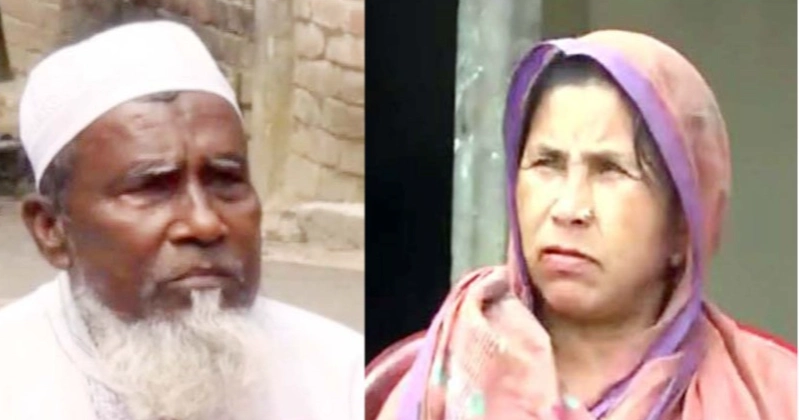
Every morning, Monwara Begum walks to her son’s grave. She speaks to him in silence, reliving memories that refuse to fade.
“When he was at university, if I didn’t hear from him for a day, he would call in the morning or evening and ask, ‘Ma, how are you? Now no one calls me that way,” she said in a choked voice.
For Monwara and her husband, Mokbul Hossain, July 16 is no longer just a date on the calendar. It is the day they lost their son, Abu Sayed, whose final moments became one of the defining images of July uprising.
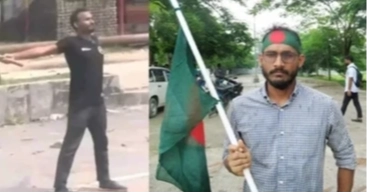
On July 16, 2024, English department student of Begum Rokeya University, Rangpur, fearlessly stood before police holding only a stick near the university gate during anti-quota movement. Moments later, he was shot.
Images and videos of the young protester standing unarmed in front of police spread rapidly across Bangladesh and around the world. For many, they came to symbolise the courage of a generation demanding change. The anti-quota protests soon evolved into a nationwide mass uprising that eventually led to the fall of then Awami League government.