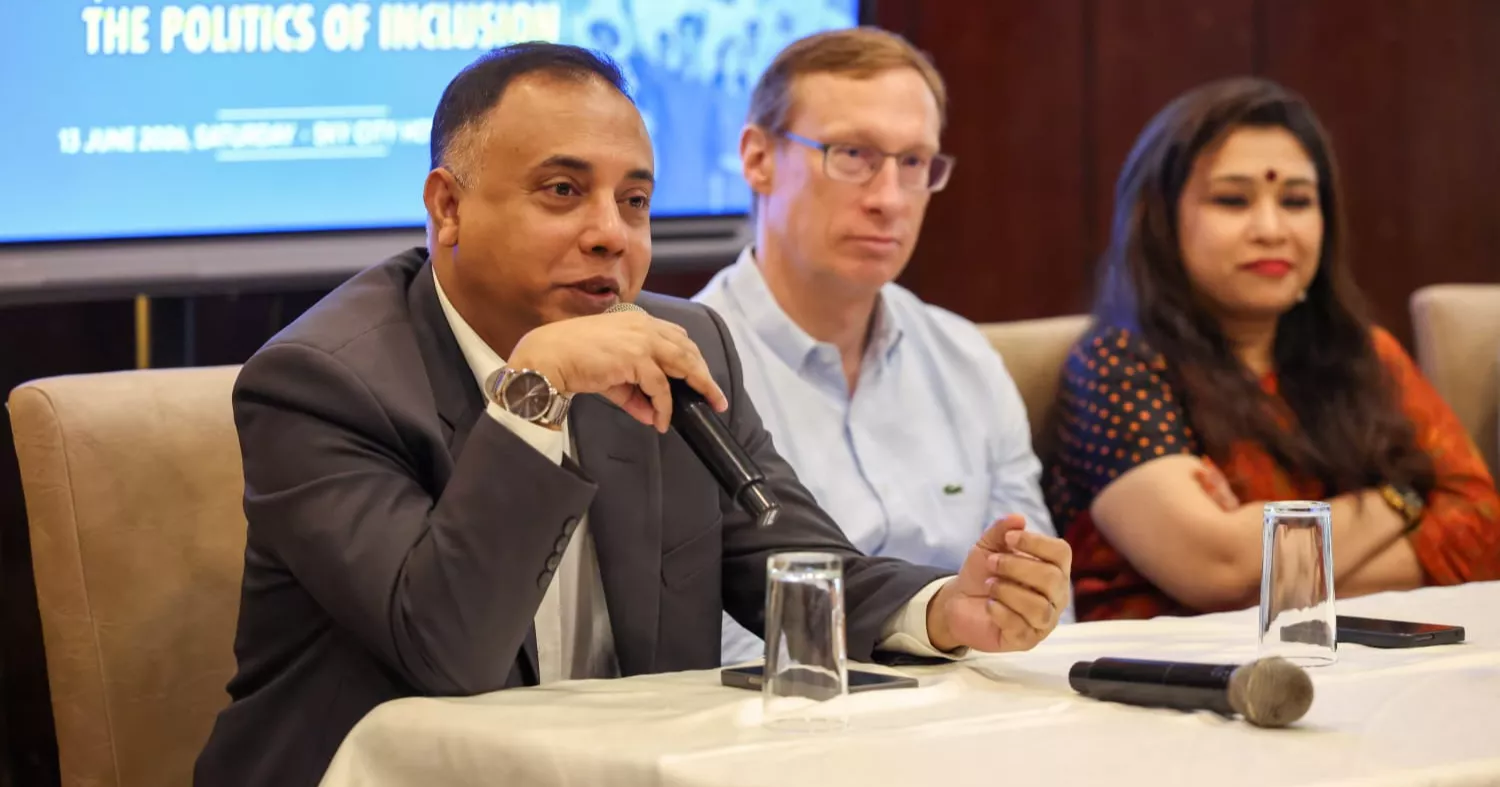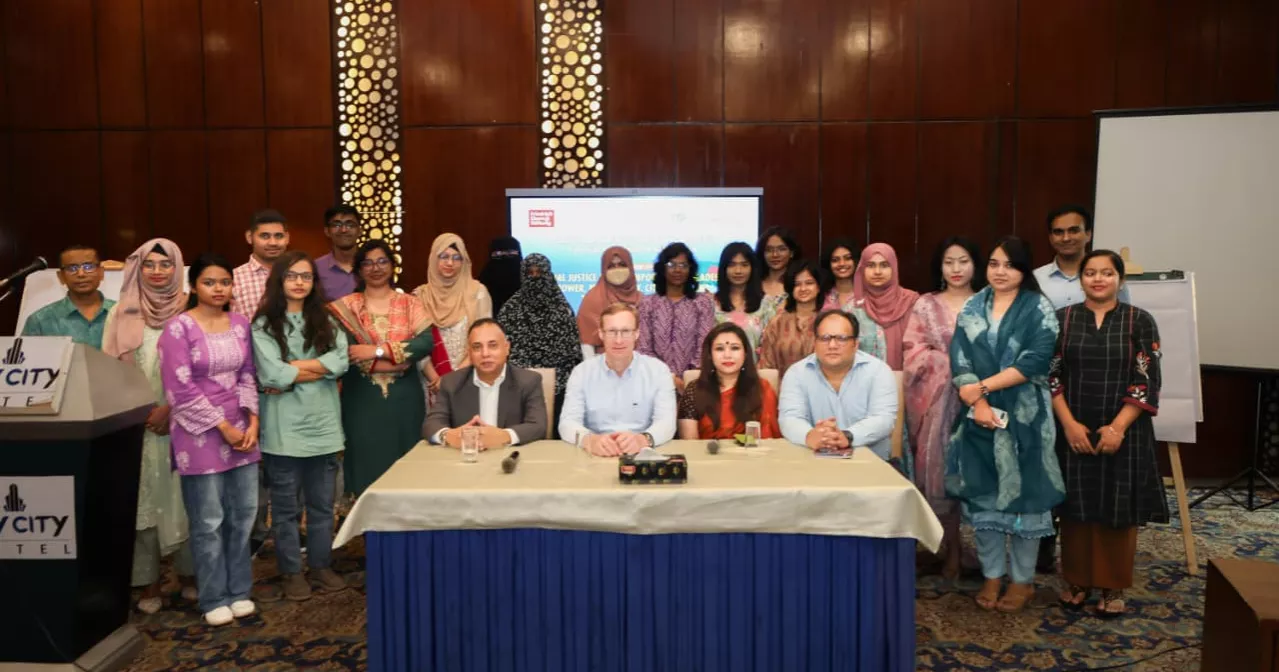
Speakers at a workshop on Saturday stressed the importance of addressing structural inequalities to build an inclusive and democratic society.
They made the remarks at the programme titled “Social Justice in Contemporary Bangladesh: Power, Marginality, Citizenship and the Politics of Inclusion” held in Dhaka, aimed at fostering critical discussion, conceptual engagement and participatory dialogue among young women politicians and activists.
The event was organised by the Centre for Governance Studies (CGS) in collaboration with Friedrich-Ebert-Stiftung (FES) Bangladesh. It was the second installment of CGS’s ongoing series of capacity-building programmes for young women in politics.
The event sought to promote a deeper understanding of social justice beyond conventional development narratives.
Through discussions on power, marginality, citizenship, gender, inclusion and inequality, participants engaged with contemporary debates on the challenges of building a more equitable and inclusive society in Bangladesh.
Speakers underscored the need for greater awareness of structural barriers that contribute to social exclusion and inequality, emphasizing that meaningful democratic participation requires ensuring equal opportunities and representation for all citizens.
Executive Director of CGS Parvez Karim Abbasi said that social justice is a multidimensional and evolving concept built upon four key pillars: human rights, access, equity, and participation.
Referring to various historical struggles for justice, including anti-colonial resistance, peasant movements, and broader economic struggles in South Asia, he argued that changes in political authority do not automatically ensure economic and social justice.
He highlighted the continued barriers faced by women in public life and politics despite their active participation in social and political movements. According to him, meaningful social transformation requires a broader understanding of social justice among all stakeholders in society.
CGS President Zillur Rahman stressed the importance of identifying and addressing different dimensions of injustice before discussing social justice as a broader goal.
He argued that democracy, rule of law, and accountable governance remain essential foundations for achieving a more just society.
He further emphasized that meaningful empowerment, particularly for women, requires awareness and engagement with the diverse realities and challenges that exist across society.