Describing the “Mecca Pact” as a unique pact, State Minister for Foreign Affairs Humaiun Kobir on Sunday said Bangladesh sees no risk in the pact, saying the country will continue to maintain balanced relations with different international partners.
“What is the point of worrying about dying before you even live? I mean, if we start worrying about risks before even initiating the process, that becomes a problem,” he told reporters at the Ministry of Foreign Affairs when a journalist drew his attention about the likely advantages and the potential risks associated with the pact.
The State Minister said this is a “unique pact” that has been initiated and these are new opportunities.
Entering into one specific sphere within today's volatile or crisis-driven international political climate does not mean a particular country cannot contribute to other alliances or fields, Kobir said. “It does not restrict your scope. Not necessarily. You have to approach,” he said.
The State Minister said a country like Bangladesh must approach foreign policy and security cooperation in a “very integrated and flexible” manner, aligned with the dynamics of the current international political system.
Based on this, he said, there is no risk involved here. “We will balance our international relations. Bangladesh stands for global peace and stability, and wherever peace and stability are the primary goals, Bangladesh will always be present,” Kobir said.
Asked about Bangladesh’s position on the pact, he said the country’s long experience in UN peacekeeping provides a strong basis for contributing to peace and stability in the Muslim world.
“Bangladesh is a huge contributor to international peacekeeping under the United Nations framework. Maintaining peace is not a new concept for Bangladesh; we have extensive experience and expertise in this area, and we are recognised globally for it. We do this all around the world, so why should we not do it for our Muslim brotherhood here? Especially when it involves Muslim nations, particularly the Kingdom of Saudi Arabia, who are the Custodians of the Two Holy Mosques,” Kobir said.
Approaching this with a positive spirit to step forward and assist with some of the challenges in the Muslim world is not a bad thing at all, he said.
“Therefore, we view it positively. Discussions on these matters have progressed constructively, and let's see how things develop as we engage further. We view this very positively,” he said.
Asked whether Bangladesh has discussed the issue with Saudi Arabia and Turkey on the sidelines of an OIC meeting and whether a formal invitation has been extended, Kobir said discussions are ongoing. “Yes, talks took place. Conversations were held, positively, very positively.”
When a formal invitation is extended, Kobir said they will certainly inform the media. “We are currently holding discussions on this matter, and those discussions are progressing positively with all bilateral partners,” he said.
“As I mentioned, Bangladesh's expertise and experience are actively sought after. We are not new to this field, nor are we novices in peace operations. We are experts, contributing one of the largest contingents to the UN peacekeeping system,” Kobir said.
“Thus, we stand at the forefront of international ground security. We contribute because our participation brings distinct value - not because there are no other options, but because stakeholders recognize that Bangladesh genuinely adds value due to its rich experience and expertise,” he added.
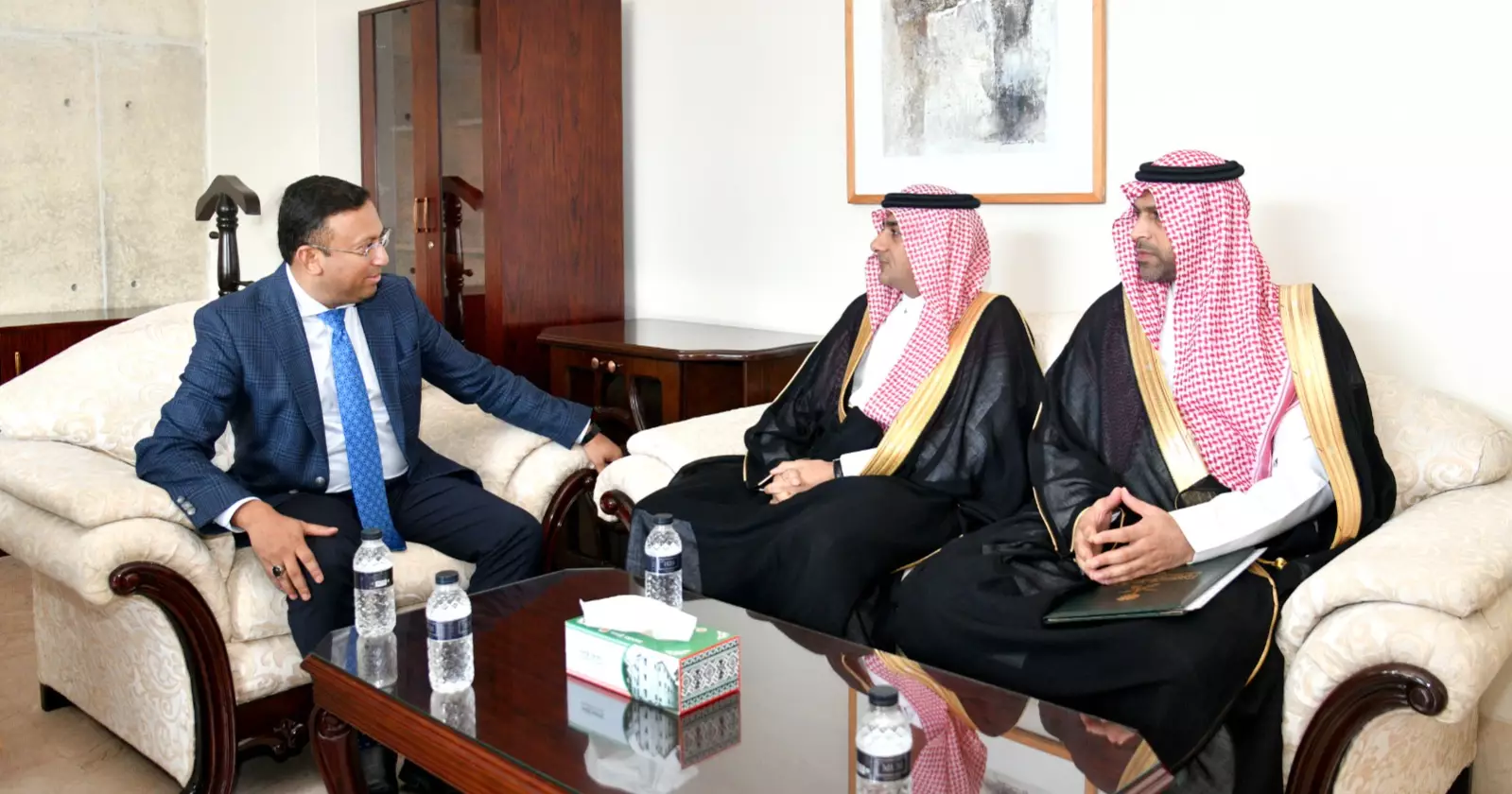
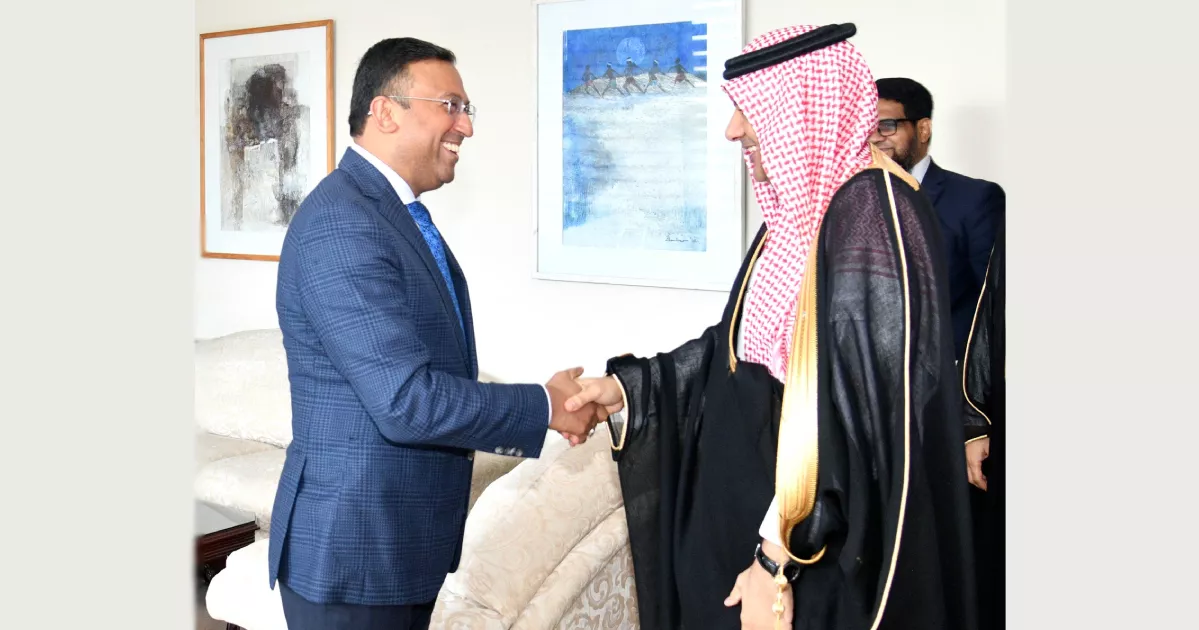
Earlier, Saudi Ambassador to Bangladesh Dr Abdullah Zafer bin Abiyah called on the State Minister for Foreign Affairs and both sides expressed satisfaction over the steady progress of cooperation between Bangladesh and Saudi Arabia across various sectors.