The Citizen's Platform for SDGs, Bangladesh on Thursday called on the government to urgently translate its ambitious education pledges into credible budgetary commitments, warning that decades of chronic underfunding, poor project implementation, and weak institutional capacity risk rendering the BNP government's 50-point education agenda largely symbolic.
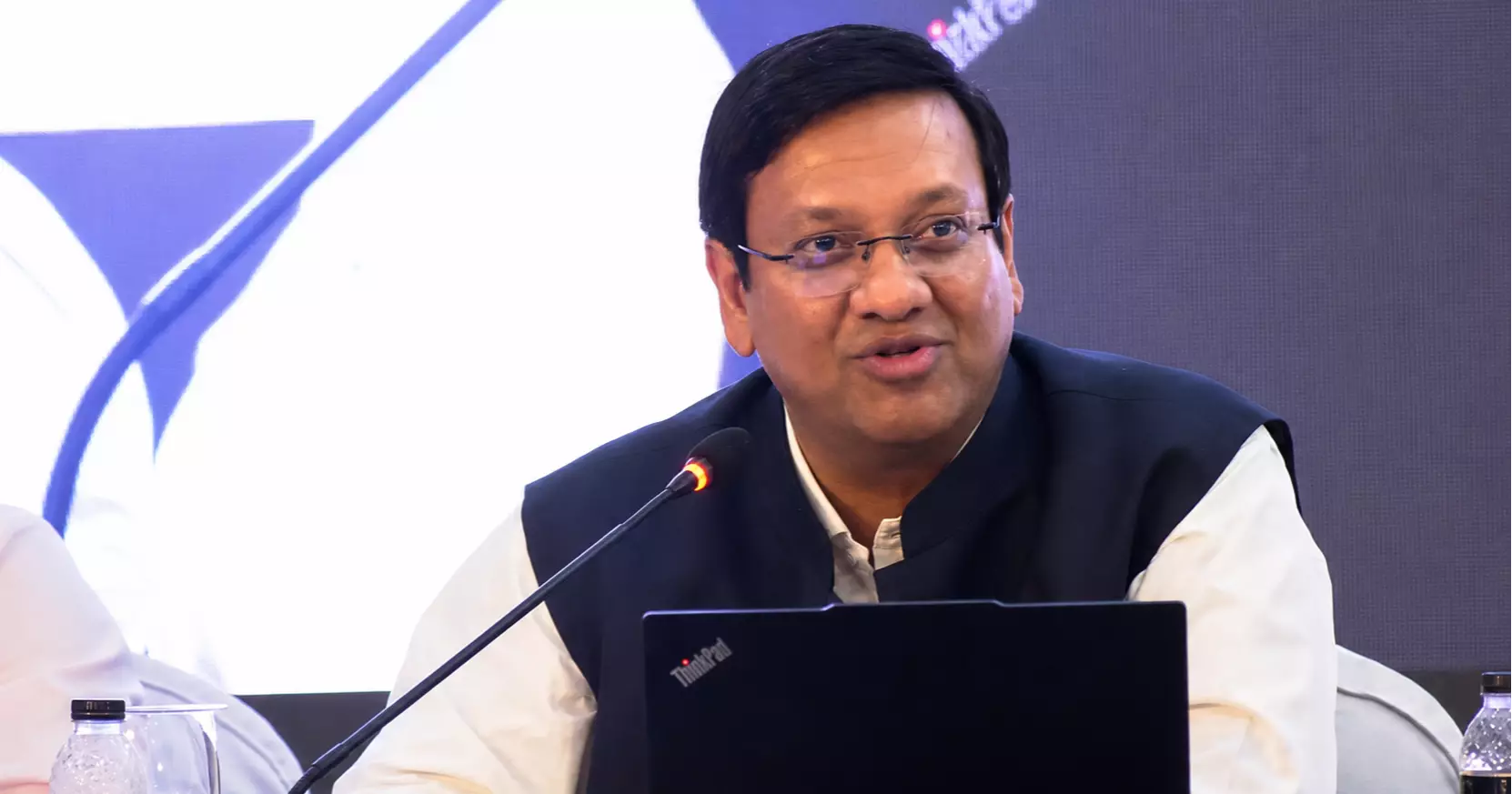
Presenting a research paper titled “Upcoming Budget and Education: Political Pledges and Citizen's Expectations” at an event in Agargaon, CPD Additional Director (Research) Towfiqul Islam Khan said three broad areas of consensus have emerged in the national discourse: Bangladesh's education system urgently needs course correction; the current government has signalled strong political intent; and the upcoming national budget is the most critical instrument to bridge that intent with reality.
Despite successive policy commitments, including an Eighth Five-Year Plan target to raise education spending to 3 percent of GDP by FY2025, actual education expenditure has remained stagnant at only 1.3 percent of GDP in recent years, the paper found.
The overall education budget utilisation rate has declined sharply to 76 percent in FY2023-25, down from 99 percent in FY2009-15. Development budget utilisation has deteriorated even more steeply, falling to just 53 percent for the Ministry of Primary and Mass Education and 46 percent each for the Secondary and Higher Education Division and the Technical and Madrasah Education Division (TMED) during the same period.
The tax-to-GDP ratio, a key determinant of fiscal space, also hit its lowest recorded level of 6.8 percent in FY25, further constraining the government's ability to fund education reforms.
The platform analysis found 101 education-sector projects currently being implemented across 14 agencies under the Annual Development Programme (ADP). Of these, 34 projects have already passed their completion deadlines and cannot access funds without extension approvals, accounting for 37 percent of total RADP FY2026 allocations. Another 70 projects have undergone at least one revision, and no RADP project is expected to fully expend its allocation.
Drawing on implementation assessments of landmark programmes, including the Third Primary Education Development Programme (PEDP-3), the Secondary Education Sector Development Programme (SESDP), and the Skills and Training Enhancement Project (STEP), the platform identified six recurring failures: weak and unrealistic project design, frequent leadership changes with no director completing the mandatory three-year tenure, prolonged procurement delays, unresolved audit objections running into crores of taka, slow early-year expenditure, and chronic underutilisation of school-level improvement funds.
“The new government will start FY27 with the baggage of many carryover projects,” the paper cautioned.
The study catalogued 50 education-related commitments made public since the government assumed office, organising them into three categories: those drawn from the BNP election manifesto, administrative and regulatory decisions requiring no new budget, and initiatives requiring fresh fiscal allocations.
Of the 13 commitments in the last category, which include recruitment of 9,000 religious teachers, English language training for 247,000 primary teachers, one multipurpose examination hall in every upazila, and doubling of scholarship amounts from Tk 184 crore to Tk 368 crore annually, only the scholarship increase carries an explicit cost estimate.
The promised three-year fiscal uplift plan to reach the 5 percent of GDP education spending target has not yet been published, the paper noted.
The platform also flagged a structural pattern in the government's reform agenda: initiatives are heavily weighted towards procurement and physical provision; tablets for teachers, CCTV in examination centres, multimedia classrooms, free uniforms, Wi-Fi rollout, while commitments to improving actual learning outcomes inside classrooms remain comparatively thin.
“The emerging pattern is that the government has been specific about purchases, but more clarity is needed about how children will actually learn,” the paper observed.
A rapid field assessment conducted between May 2 and May 5, covering 17 Focus Group Discussions and 17 Key Informant Interviews across 10 districts, including urban, rural, haor, and char areas, revealed early implementation gaps in four flagship programmes.
On the mid-day meal programme, field teams found that meals largely consist of bakery items such as biscuits and buns, with parents raising concerns about long-term health impacts. Students in some locations reported receiving stale and fungus-affected food. Bananas were the only fruit distributed, despite guidelines mentioning fresh and seasonal produce. No clear instructions exist for managing surplus or shortfall.
On the free uniform, shoe, and bag initiative, teachers said they have received no official guidelines. Footwear use was found to be inconsistent, with visible quality disparities persisting due to affordability constraints among poorer households.
The platform recommended direct cash transfers to parents through government-to-person mechanisms, verified by school and local authorities, to reduce administrative burden and corruption risk.
On free Wi-Fi in schools, field visits found many institutions still without functional connectivity. Electricity outages were identified as a major constraint, with teachers in affected schools relying on personal mobile data for official tasks.
The platform noted that since Wi-Fi infrastructure is already present in approximately 85 percent of primary and 96 percent of secondary schools, the priority should shift from new installation to fixing bandwidth gaps, power reliability, and non-functional devices.
On multimedia classrooms, most schools were found to have equipment in only one or two rooms. Load shedding severely disrupts digital instruction, and only a small number of teachers have received ICT training.
The paper recommended solar power backup, classroom redesign, and a structured, continuous capacity-building programme for teachers.
The Citizen’s Platform said the FY27 education budget carries genuine potential for a fresh start, driven by increased allocations, new initiatives, and the launch of PEDP-5, the sector's largest development programme. A new secondary education programme is also due following the scheduled completion of the Secondary Education Sector Investment Programme (SESIP) in December 2026.
However, the think tank warned that fiscal pressure, institutional weakness, and weak governance, what it described as “ghosts of the past”, remain formidable obstacles.
It outlined five benchmarks by which the budget's delivery should be assessed: whether resources are allocated according to stated priorities, whether allocations are protected from mid-year cuts, whether implementation proceeds on time, whether governance standards are upheld, and whether transparency and accountability mechanisms are in place.
The Citizen's Platform for SDGs said it will track delivery of both the budget and the government's electoral pledges through its Reform Tracker and partner organisation network.
The research was led by Towfiqul Islam Khan alongside a CPD team, including Distinguished Fellows Dr Debapriya Bhattacharya and Prof Mustafizur Rahman, supported by contributions from ActionAid, Helvetas Bangladesh, SAJIDA Foundation, World Vision, and other partner organisations.