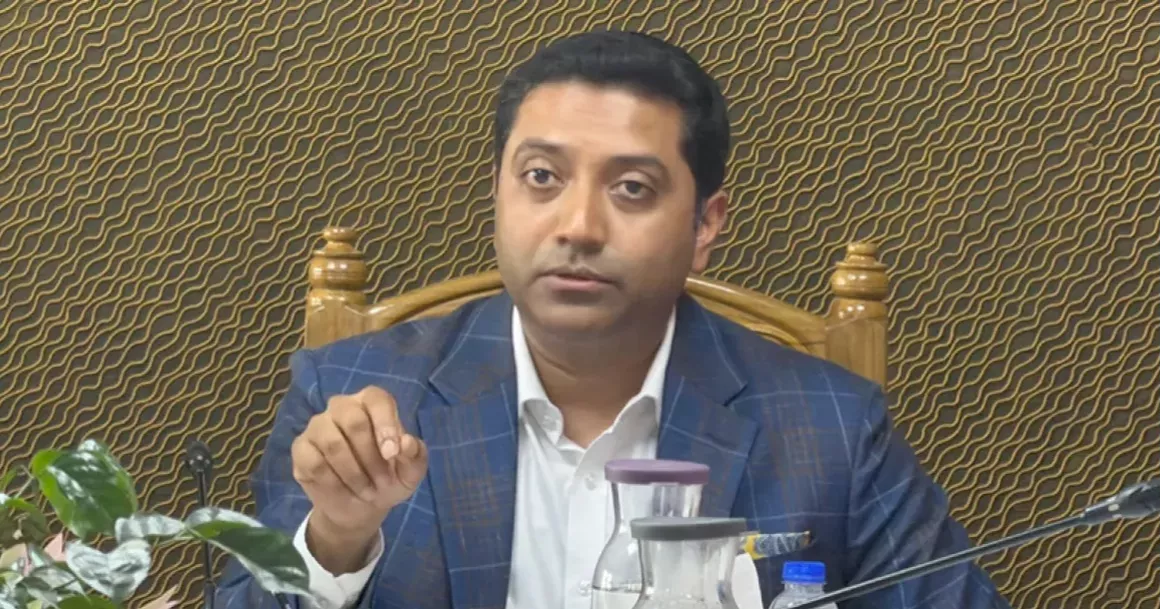
State Minister for Primary and Mass Education Bobby Hajjaj on Sunday said the government has introduced a new decentralised system for teacher transfers to make the process transparent, accountable and free from corruption.
The teacher transfer process had long been known as a major area of syndicate control and corruption, which stood as a significant obstacle to improving the quality of education, he said while addressing the Validation Workshop on the Bangladesh Education Sector Analysis (ESA) 2026, organised by GPE and UNICEF at a hotel in the capital.
Bobby Hajjaj said that under the directive of Prime Minister Tarique Rahman and the initiative of the Ministry of Primary and Mass Education, the teacher transfer process has been decentralised and brought to the local level.
Under the new policy, separate committees are being formed at the upazila, district, divisional and city corporation levels to review transfer applications at regular intervals, he said.
At the upazila level, a four-member committee headed by the Upazila Nirbahi Officer (UNO) will scrutinise applications, while the Upazila Primary Education Officer will issue transfer orders based on the committee’s recommendations, he added.
Besides, similar five- or six-member committees will operate at the district, divisional and city corporation levels to examine transfer applications and issue transfer orders, he said.
Education and Primary and Mass Education Minister Dr A N M Ehsanul Hoque Milon attended the programme as the chief guest.
Officials from the Ministry of Education, the Ministry of Primary and Mass Education, relevant departments and UNICEF were also present at the event.