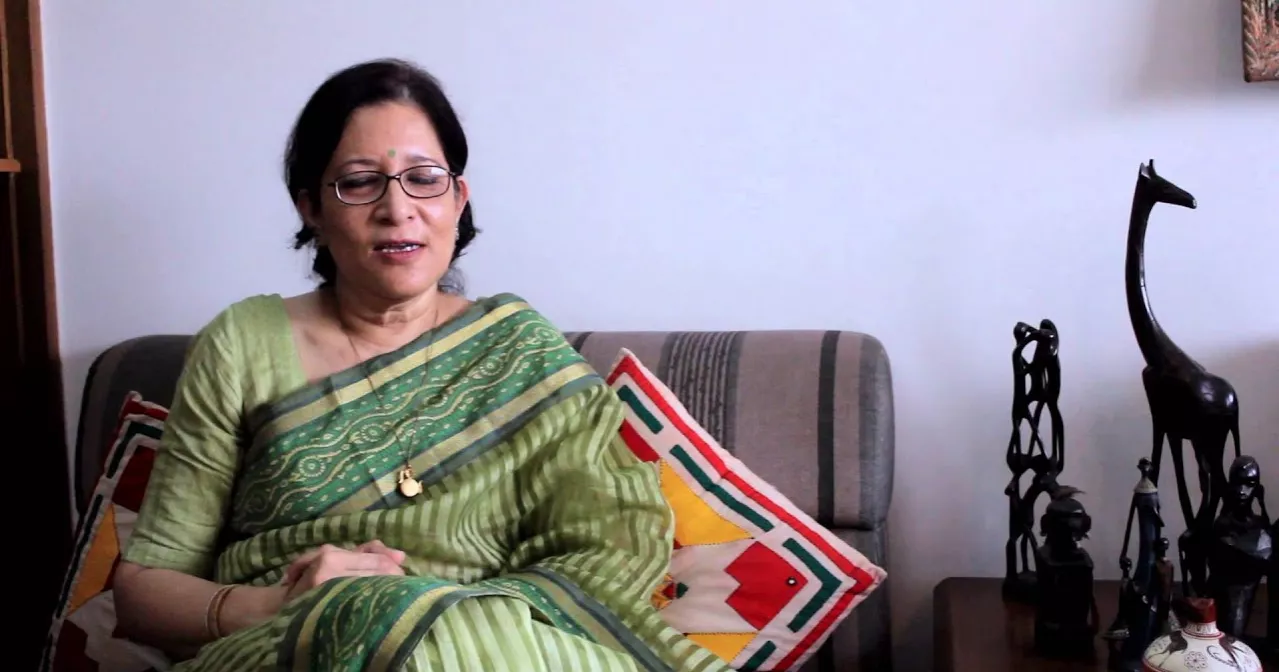
Driven by persistent high inflation, the economic endurance of the country’s citizens has reached its absolute limit, forcing many young individuals to cut back on their daily meals, noted human rights activist Farah Kabir said on Saturday.
Speaking at a national budget analysis program, Farah Kabir, Country Director of ActionAid Bangladesh, expressed severe concern over the deep economic distress facing ordinary citizens, adding that the country urgently needs a national minimum wage framework to cope with the skyrocketing cost of living.
Govt eyes inflation relief, lower debt through sweeping reforms
The analytical event was organized by the private think-tank Power and Participation Research Center (PPRC) and moderated by its Executive Chairman, Dr. Hossain Zillur Rahman.
Addressing the session, former Adviser of a caretaker government Dr. Hossain Zillur Rahman raised crucial questions regarding the impact of the proposed fiscal measures on the middle-income demographic, pointing out a critical contradiction in the revenue strategy.
"While it is true that the tax-exempt income threshold has been raised, the tax rates have simultaneously been increased. As a result, the actual benefits and relief for existing taxpayers are shrinking," the prominent economist explained.
Dr. Hossain Zillur noted that while the state maintains certain social safety net programs dedicated to protecting the ultra-poor and vulnerable groups, the middle class is left facing significant pressure without adequate cushioning under the new budget structure.
Former Chairman of the National Board of Revenue (NBR) Mohammad Abdul Majid also addressed the event. He observed that the government's decision to reduce customs duties and taxes on several essential commodities in the proposed budget has successfully checked further price hikes following the budget announcement.
Abdul Majid emphasized that if these tax exemptions are sustained, the retail prices of daily commodities are likely to remain stable at their current levels, providing some baseline relief.
Highlighting the stark contrast in socio-economic realities across the nation, Farah Kabir remarked that the actual severity of the domestic crisis cannot be accurately judged by looking at the capital city alone.
She described Dhaka as an artificial "balloon" ecosystem where the dense concentration of nearly two crore people keeps commercial life, such as tea stalls, active even past midnight.
She further underscored that outside this urban bubble, the wider population across the country is enduring an incredibly difficult economic phase, with their purchasing power deeply eroded.
The speakers at the discussion urged policymakers to move beyond structural figures, ensuring the strict execution of market monitoring and the continuation of fiscal relief on essential items to insulate low- and middle-income groups from ongoing inflationary shocks.