Bangladesh cannot shoulder the burden of the protracted Rohingya crisis indefinitely on its own, and the international community must therefore sustain meaningful political and diplomatic pressure on Myanmar to create conditions for their safe and dignified return, speakers said on Monday.
The crisis originated in Myanmar, and its ultimate solution must also emerge from Myanmar, they said.
Bangladesh must guard against narratives that stigmatise Rohingya refugees or fuel xenophobic sentiments, the speakers said.
In the prevailing circumstances, Rohingyas have little meaningful protection elsewhere and any injustice or mistreatment inflicted upon them today may, in time, carry consequences for Bangladesh itself.
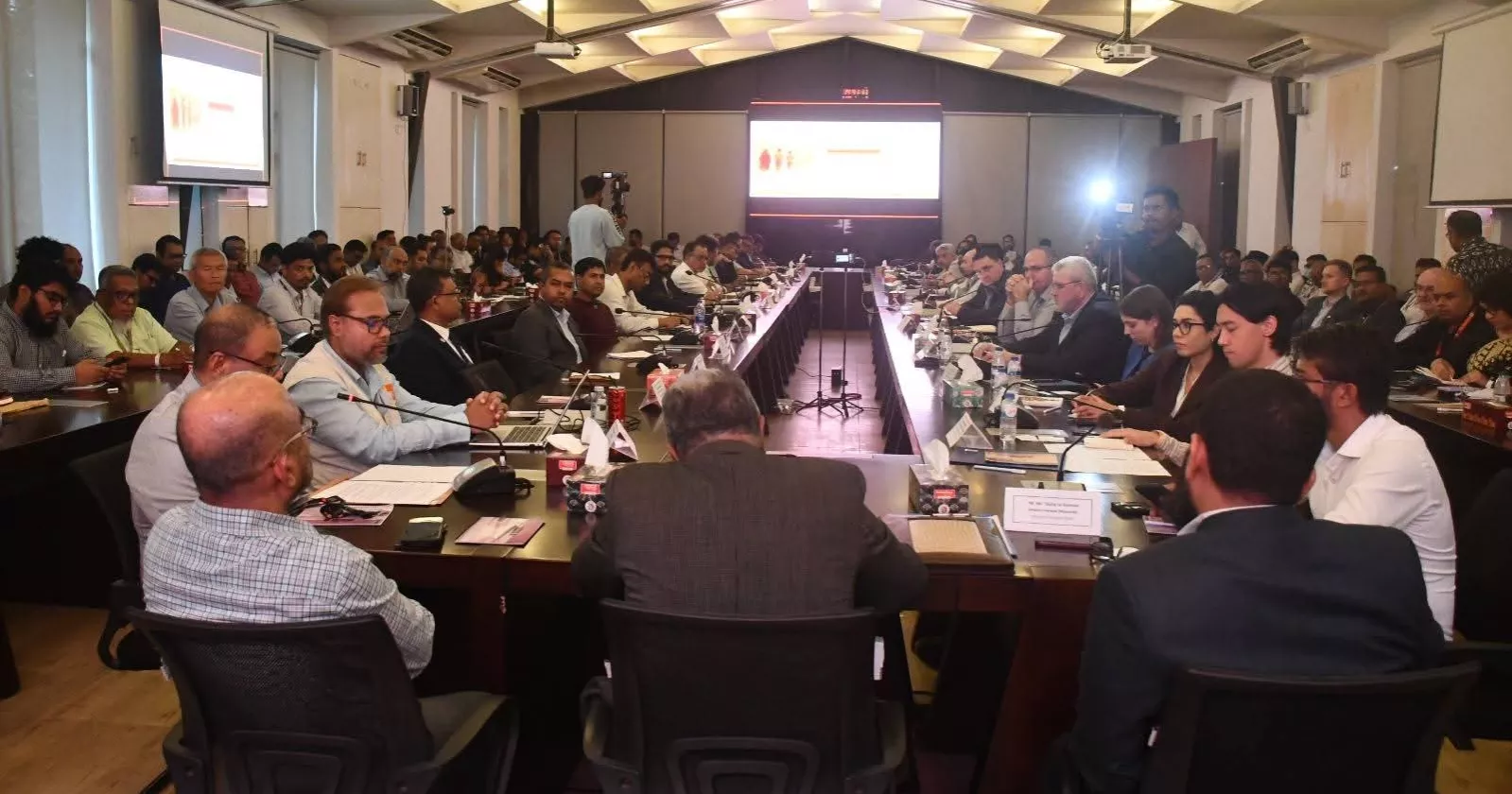
The Office of the Refugee Relief and Repatriation Commissioner (RRRC), Cox’s Bazar, hosted the commemoration event titled “The Rohingya Exodus: Challenges and the Future of this Protracted Crisis”, jointly organised with the Norwegian Refugee Council (NRC).
The event brought together a broad spectrum of stakeholders, including representatives from the government of Bangladesh, UN agencies, donor agencies, INGOs, NGOs, local representatives, Rohingya leaders and other humanitarian actors, reflecting the collective resolve required to confront one of the world’s most protracted displacement crises.
Foreign Secretary Asad Alam Siam spoke at the event as the chief guest.
The discussions underscored that sustained international financing remains indispensable as humanitarian funding continues to face unprecedented constraints.
The speakers said accurate population verification must remain a priority.
The joint verification exercise undertaken by RRRC and UNHCR can provide a credible basis for determining the actual Rohingya population in Bangladesh, they observed.
The crisis demands an action-oriented and time-bound roadmap, developed through robust coordination among the government, UN, donors, humanitarian organisations and other relevant stakeholders, the speakers said.
They said preparing the Rohingya population for eventual repatriation requires investment in education, skills development, vocational capacities and digital learning.
A durable solution ultimately lies in a safe, voluntary, dignified and sustainable return to their homeland, said the speakers.
They said stronger coordination and appropriate empowerment of organisations engaged in the Rohingya response remain essential for a more coherent and effective humanitarian architecture.
Stakeholders said after nine years of displacement, the Rohingya crisis must not descend into the annals of a “forgotten crisis.”
The humanitarian imperative remains undeniable, but humanitarian assistance alone cannot constitute the endgame.
What the moment demands now involves collective political will, sustained international solidarity, diplomatic leverage and a credible pathway towards repatriation.