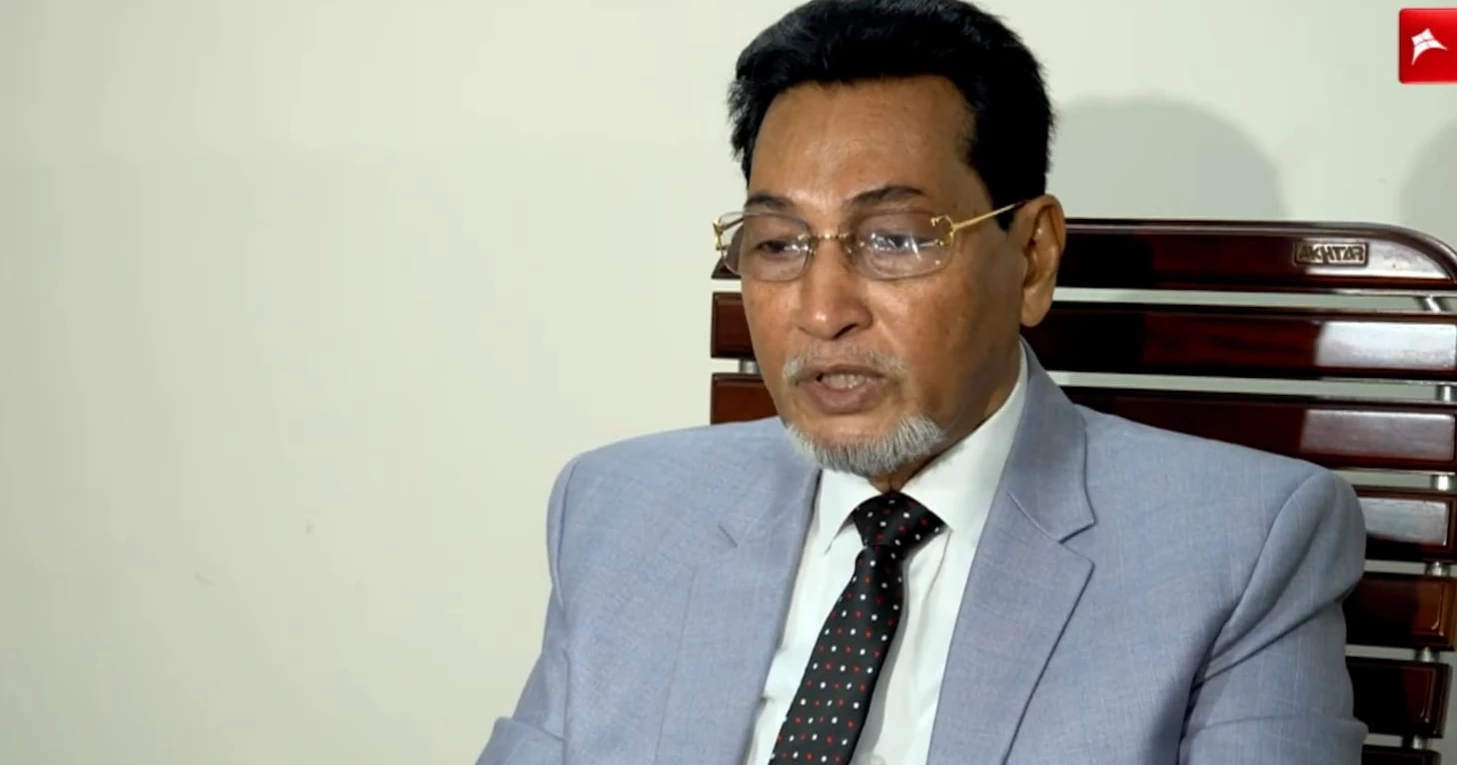
The formation of parliamentary standing committees and passage of key bills will receive top priority during the third session of the 13th Jatiya Sangsad, Chief Whip Nurul Islam Moni said on Wednesday.
The session is scheduled to begin on Thursday and may continue for five to 10 days, although its duration could be extended if necessary, he said.
“As soon as we receive the names of members from the opposition, the relevant committees will be finalised,” Moni told journalists at the Parliament complex.
He said around six important bills could be placed before the House during the session, including proposed laws concerning property transfers, enforced disappearances and human rights protection.
Explaining the proposed law on property transfers, the Chief Whip said parents who transfer property to their children would retain the right to possess and use the property during their lifetime.
The provision is intended to prevent children from neglecting their parents after receiving property, he said.
On the July Charter and proposed constitutional reforms, Moni said voters have given their mandate based on political pledges made in line with the Charter and expressed confidence in Prime Minister Tarique Rahman.
“If necessary in the national interest, new laws will be enacted and existing laws will be amended,” he said.
He said even changing a comma, full stop or semicolon in the Constitution could be considered part of constitutional reform.
Moni said a 17-member committee has been proposed to work on constitutional amendments, with seven members from the BNP and five from Jamaat-e-Islami, while representatives from smaller parties would also be included.
He said opposition members would be incorporated into the committee once their names were submitted.
“Constitutional amendment is a normal process in a democratic system,” he said, citing the example of India, whose Constitution has been amended 106 times over the past 76 years.
Regarding the role of the opposition, Moni said its primary responsibilities included pointing out government shortcomings, ensuring accountability and demanding necessary corrective measures.
He expressed hope that the opposition would raise public concerns and national issues in Parliament instead of creating instability outside the House.
“I hope the opposition will not create an opportunity for an authoritarian system to return through movements outside Parliament,” he said, adding that the achievements made through years of struggle, imprisonment, enforced disappearances and repression should not be handed over to anyone.
The Chief Whip also said the government needed time to address longstanding problems.
“No government can solve all longstanding problems in just six months,” he said, noting that even under favourable circumstances, constructing a power plant would take at least two years.
On power sector contracts signed during the previous government, Moni alleged that several agreements have created long-term financial liabilities for Bangladesh.
He criticised provisions that provided immunity from accountability and said capacity payments for electricity that was not generated has placed a significant burden on public finances.
Describing the power purchase agreement with India’s Adani Group as a “heinous crime”, he alleged that Bangladesh is being forced to purchase electricity at high prices under the deal.
He called for collective efforts to reduce the economic burden created by such agreements in the national interest.
Moni said the third session would help accelerate parliamentary activities, strengthen the effectiveness of parliamentary committees and enhance government accountability.