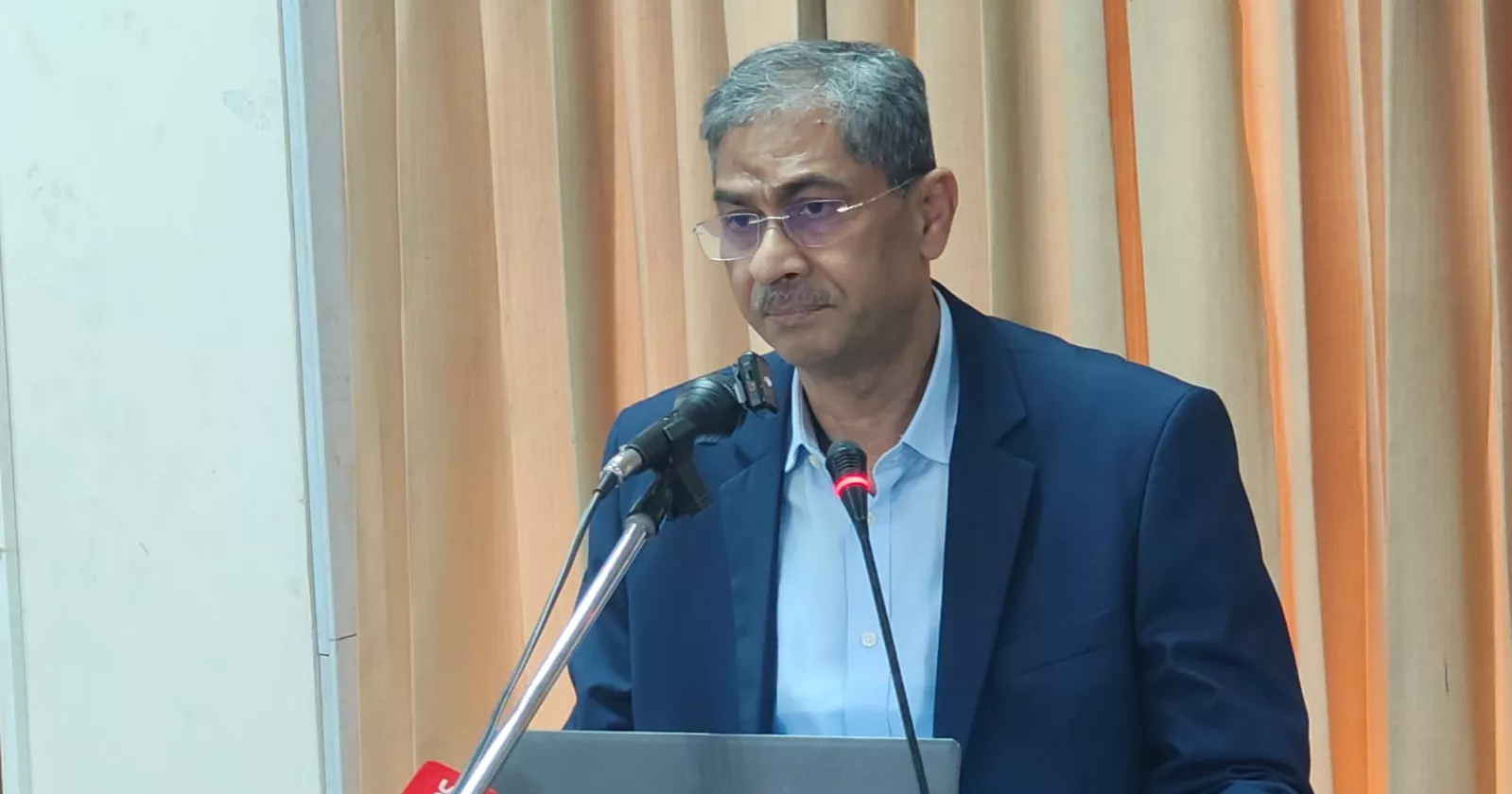
Water Resources Minister Shahiduddin Chowdhury Anee on Monday said Bangladesh does not want its friendly relations with neighbouring India to deteriorate over the long-pending Teesta water-sharing treaty and urged New Delhi to take Dhaka’s interest into account while pursuing its own.
“The neighbouring country is a friendly country. They have to think that while they have their interests, we also have ours. A friend should protect the interests of a friend. They will pay attention to our interests. We never want our friendly relations with them to deteriorate,” he said.
Anee made the remarks while speaking as the chief guest at a seminar titled ‘Sustainable Management of the Teesta River’, organised jointly by the Ministry of Water Resources and BUET’s Department of Water Resources Engineering at the BUET Academic Council Building in the morning.
He said the Teesta project is a major initiative and the government has already participated in several seminars and consultations since the election to gather opinions from experts.
“The opinions of almost all experts were very important to us. Based on these opinions, the detailed study which is very much needed will help us in taking visible steps,” Anee said.
He said Bangladesh has significant geographical potential but also faces many challenges, which the government is working to turn into tangible realities.
“Since we have grown up through grassroots politics and as field-level political workers, we try to take these challenges into account and perform our responsibilities by thinking about the country,” he said.
The minister described the Teesta project as a major challenge because of the high expectations of people in five to six northern districts.
“There is huge demand and very high expectations particularly among the people of five or six districts in the northern region. If we fail to implement it, the damage and problems faced by families in those areas will continue to increase. We have to overcome this challenge anyhow,” he said.
Anee said Prime Minister Tarique Rahman regularly discusses the project and that departmental and inter-ministerial meetings are held to review its progress.
“He wants to know frequently what stage it is at and how it is progressing. He is paying special attention to making it visible,” he said.
“We need a coordinated solution. Based on that solution, we want to show the people that this is feasible for us at this moment, that it has been designed and planned, and that we want to implement it,” he said.
He said the government’s ultimate objective was to fulfil its commitment to the people of northern Bangladesh who have suffered from river erosion and other problems for years.
Referring to Professor Ainun Nishat’s long involvement in discussions and meetings on the Teesta, Anee said the water expert has stressed that a Teesta treaty is urgently needed.
“Whether it is called the Teesta treaty or the Teesta master plan, or whatever is necessary to implement this project, we will move towards implementation,” he said.