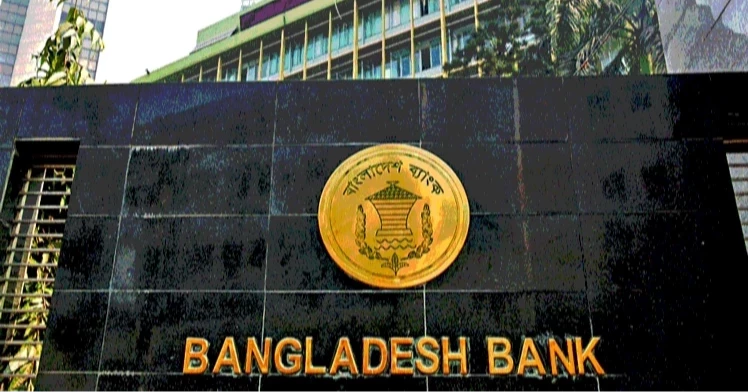
In a major move to curb irregularities in foreign exchange operations and stamp out illicit financial flows, Bangladesh Bank (BB) has launched a comprehensive special inspection targeting some commercial banks, central bank sources revealed.
The central bank has formed six separate inspection teams to intensely scrutinize the treasury and information technology (IT) divisions of the selected commercial institutions. The banks currently under oversight are state-owned Sonali Bank, Janata Bank, and Agrani Bank, alongside private sector lenders BRAC Bank, Prime Bank, and HSBC Bangladesh.
The regulatory intervention follows recent allegations of foreign payment discrepancies at a state-owned commercial bank. Central bank investigators discovered instances where foreign currency payments were dispatched to clients through overseas "Nostra accounts," but the corresponding domestic liabilities or loans were suspiciously omitted from the banks' internal ledger records.
To ascertain the depth of this systemic vulnerability, Bangladesh Bank is auditing Nostra account balances, transactional deposits, foreign outbound transmissions, and swift settlements. Investigators are cross-checking all suspicious high-value international transactions to see if standard protocols were bypassed to harbor covert loan facilities.
Moving forward, Bangladesh Bank has affirmed that it will aggressively continue unexpected, sudden visits to the Nostra accounts and monitor the foreign currency transmission frameworks of commercial banks. The central bank views these unannounced, real-time interventions as critical to tightening corporate governance and detecting trade-based money laundering or capital flight before the funds disappear into foreign jurisdictions.
Commenting on the development, a senior executive from a private bank under inspection noted that while the central bank possesses full authority to conduct sudden audits at any given time, the lack of immediate loan creation following a Nostra account payout is highly irregular under standard operating practices, warranting a deeper and strict administrative probe.