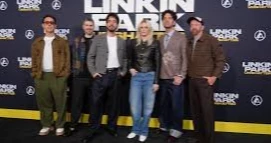
Members of Linkin Park spent years uncertain about the band's future following the death of lead singer Chester Bennington. A new documentary, “Linkin Park: Unshatter,” offers fans an inside look at their grief, doubts and creative challenges as they considered returning to music, featuring early recording sessions, personal conversations and experiments that eventually led to Emily Armstrong joining the group.
Formed in Agoura Hills, California, in 1996, Linkin Park became one of the most influential rock bands of the 2000s by blending alternative metal, hip-hop and electronic music. The band achieved worldwide success with its diamond-certified debut album, “Hybrid Theory,” released in 2000, followed by “Meteora.” Both albums featured the distinctive combination of Mike Shinoda's rapping and Bennington's powerful vocals.
Bennington died by suicide in 2017 after the release of the band's album “One More Light,” leaving the group facing an uncertain future. Linkin Park returned in 2024 with Armstrong as co-lead vocalist, releasing the album “From Zero” and beginning a new series of world tours.
In an interview with Armstrong and DJ and creative director Joe Hahn, Shinoda said he did not want to decide in advance what a possible reunion would look like or whether the group would continue under the Linkin Park name.
“Emotional stuff aside, which was very heavy,” Shinoda said, he wanted to remain open to different possibilities, including having a female singer, working with multiple vocalists or even forming a different project.
Shinoda met Armstrong, lead singer and co-founder of the band Dead Sara, in 2019. He said he immediately felt she should meet the other members.
“I was like, ‘Oh, I got it. She has to meet the band. Like I have to introduce them because she's cool. I love how she sings,’” he said, describing his initial reaction.
Armstrong said watching the documentary's footage reminded her of the uncertainty she experienced during her first encounters with the band. The film, which is now showing in theatres, was co-directed by Hahn and Mark Ritchie.
She said she appeared more confident on camera than she actually felt while adjusting to a new band, different singing styles and feedback from other members.
Armstrong acknowledged that the comeback involved creative risks, as the band could not be certain how fans would respond, but said they believed in the music they were making.
Hahn said returning to music together also helped the members begin to heal, as they supported and encouraged one another throughout the process.